1srelluc
Diamond Member

December 28, 2024
On the clear, cold morning of December 29, 1890, on the Pine Ridge Reservation in South Dakota, three U.S.
 heathercoxrichardson.substack.com
On the clear, cold morning of December 29, 1890, on the Pine Ridge Reservation in South Dakota, three U.S. soldiers tried to wrench a valuable Winchester away from a young Lakota man. He refused to give up his hunting weapon. It was the only thing standing between his family and starvation, and he had no faith it would be returned to him as the officer promised: he had watched as soldiers had marked other confiscated valuable weapons for themselves.
As the men struggled, the gun fired into the sky.
Before the echoes died, troops fired a volley that brought down half of the Lakota men and boys the soldiers had captured the night before, as well as a number of soldiers surrounding the Lakotas. The uninjured Lakota men attacked the soldiers with knives, guns they snatched from wounded soldiers, and their fists.
As the men fought hand to hand, the Lakota women who had been hitching their horses to wagons for the day’s travel tried to flee along the nearby road or up a dry ravine behind the camp. Stationed on a slight rise above the camp, soldiers turned rapid-fire mountain guns on them. Then, over the next two hours, troops on horseback hunted down and slaughtered all the Lakotas they could find: about 250 men, women, and children.
I'd say judging the 1890’s in 2024 would not make much sense except for the fact the .gov did not bother to learn the lesson in the 103 years after it happened.
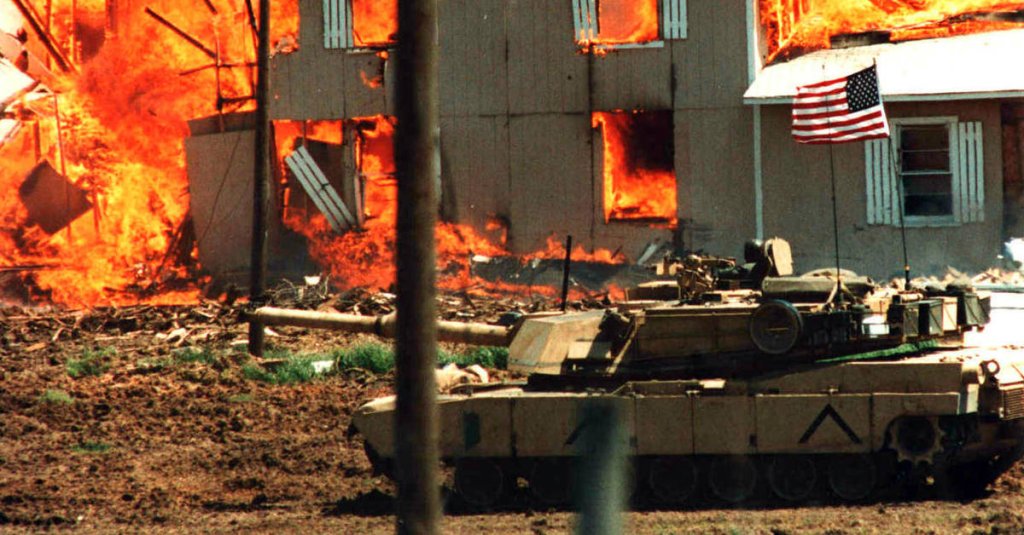
At least I heard they were looking into resending the 20 MOH commendations for Wounded Knee.
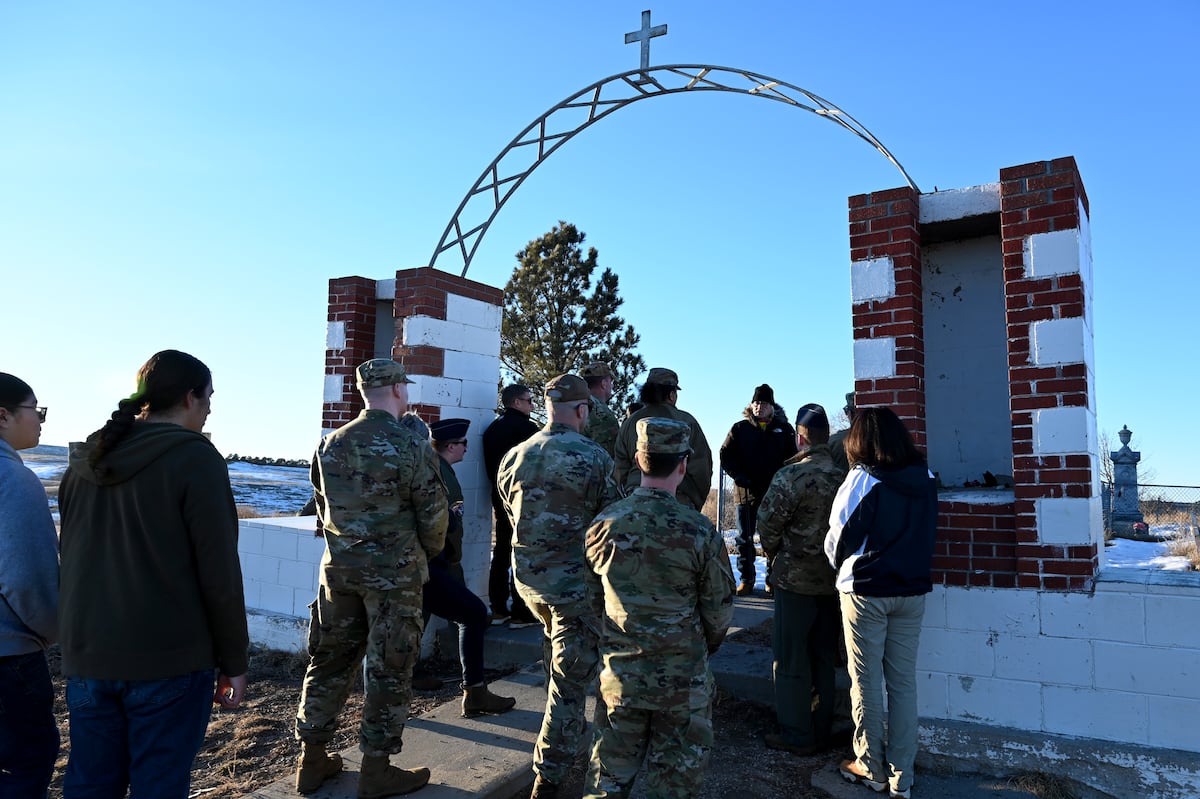
Pentagon to review 20 Medals of Honor from Wounded Knee Massacre
A panel of five experts will determine by Oct. 15 whether the medals should be retained or rescinded.
 www.militarytimes.com
Sigh, I know.