DennisPTate
Gold Member
- Nov 6, 2025
- 3,249
- 1,272
- 163
Messianic Jewish author Sid Roth gives the statistic of 400,000 for the number of Messianic Jews, [followers of Rabbi Yeshua - Jesus], living in the Roman Province of Judaea at the time of the Bar Kochba Revolt.
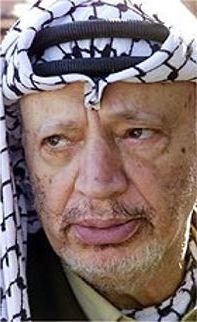
If Sid Roth's statistic is correct could the Palestinians of this last century be largely descended from the first century followers of Rabbi Yeshua - Jesus who DID NOT join in the Bar Kochba Revolt and thus were allowed to stay in Roman Judaea and grow olive oil and grain and wine and pay taxes to Rome?
This idea would certainly fit with the scholarship of Mr. Tsvi Misinai who has began The Engagement Movement.
If Sid Roth's statistic is correct could the Palestinians of this last century be largely descended from the first century followers of Rabbi Yeshua - Jesus who DID NOT join in the Bar Kochba Revolt and thus were allowed to stay in Roman Judaea and grow olive oil and grain and wine and pay taxes to Rome?
[Sid Roth] :
The first Church was Jewish. If a Gentile wanted to follow the Messiah, he had to convert to Judaism. Then Peter had a revelation that Gentiles did not have to convert to Judaism to be saved (see Acts 10). The Jerusalem Council meeting determined that Gentiles did not have to be circumcised. There were only four easily followed requirements. They were to abstain from things polluted by idols, from sexual immorality, from things strangled, and from blood (Acts 15:20). After all, James said, they could learn more about God by hear- ing the words of Moses every Saturday in the syna- gogue (see Acts 15:21). This opened the door to widespread church growth among the Gentiles. So many Gentiles were saved that the Jewish believers became a minority.
The first Jewish followers of Jesus were called Nazarenes (part of the Essenes sect of Judaism dis- cussed in Chapter 3). They practiced traditional Judaism and were widely accepted by unbelieving Jews. Early in the second century their numbers reached 400,000.1 In the Book of Acts, the early church fathers said to Paul: You see, brother, how many myriads [tens of thousands] of Jews there are who have believed, and they are all zealous for the law (Acts 21:20).
The Nazarenes acceptance by traditional Jews came to a halt in A.D. 135 when Rabbi Akiba declared that Bar Kochba was the Jewish Messiah. His followers hoped he would lead them to victory over the Romans. The Nazarenes refused to fight because they believed Jesus was the true Messiah rather than Bar Kochba. They were branded traitors, not because they believed in Jesus, but because they would not join Bar Kochbas armed struggle. Bar Kochba and his followers were quickly slaughtered by the Romans. Afterward, Jews were banned from Jerusalem.
History shows that as the center of the Christian faith moved from Jerusalem to Rome, it became increasingly Hellenized, adopting pagan customs and philosophies rather than the God-ordained practices and beliefs of the Bible. At the same time, Christianity became increasingly anti-Jewish."
[Sid Roth from his book The Incomplete Church, Chapter 7, page 64, 65]
%20by%20Sid%20Roth%2C%20Code%3A%201093/https%3A%2F%2Fcdn.shopify.com%2Fs%2Ffiles%2F1%2F0730%2F8745%2F1355%2Ffiles%2F9063_694b0af7-5154-4bf5-b3b5-c39b19281f08.jpg%3Fv%3D1747285569/%247.00/og.png)
The Incomplete Church (Book) by Sid Roth, Code: 1093
Christianity today is very different from the original. To experience the original—the miracles, healings, power, and intimacy with God—we have to examine our Jewish roots. For nearly 2,000 years, there has been a separation between Judaism and Christianity resulting in a lack of miracle power...www.sidroth.org
This idea would certainly fit with the scholarship of Mr. Tsvi Misinai who has began The Engagement Movement.
"Tsvi Misinai claims that the majority of the Palestinian peopleincluding those with Israeli citizenship or residency, known variously as Arab citizens of Israel, Arab Israelis, Israeli Arabs, including the Bedouin Arabs of Israelare descendants of the ancient Hebrews, as most of the world's Jewish ethnic divisions are.[6] Furthermore, he claims that at least half of them are quietly aware of this fact.[7]
According to Misinai, unlike the ancestors of the modern day Jews who were city dwellers to a large extent, the Hebrew ancestors of the Palestinians were rural dwellers, and were allowed to remain in the land of Israel to work the land and supply Rome with grain and olive oil."
Misinai states the topic of Hebrew origin was spoken of openly by Palestinians until relatively recent history, much as the Egyptians or Lebanese are aware of their origin in the ancient Egyptians and Phoenicians respectively, even if the topic arouses the passions of those wishing to stress or de-emphasise it."

Tsvi Misinai - Wikipedia
en.wikipedia.org