Unfortunately, the word restrictions in poll options limit our ability to include qualifiers and nuance.

The point I hoped to make is, that we all have our point of view about all those things in the poll options as well as in many other things, but can we allow others to have a different point of view without fear of harassment or bullying or organized punishment?
Ok...this seems to be primarily about free speech. You can't allow free speech for one and deny it for another. So if someone expresses their point of view and someone else disagrees - that too is free speech.
When you label that disagreement "harrassment, bullying or 'organized punishment'" - what exactly do you mean? Is one person's "bullying" another person's free speech?
Everything has consequences. A person may refuse to serve gays in his establishment - that's his right. Likewise, members of the public who disagree have the right to protest or boycott with out that being labled "harrassment, bullying or organized punishment"
To pull one example from the many but attaching no superior importance to it, a person may feel strongly that creationism or intelligent design has no place in the science curriculum. But can he accept that others feel just as strongly that creationism and intelligent design are prevalent beliefs in our culture and should be discussed and allowed along with other science? When it comes to accreditation, who should be the authority to do that? The school systems themselves? (my vote) Or a faceless bureaucracy that may or may not be qualified to know what good education is?
If a person where arguing for different creationalal stories to be presented in a comparitive religion class - then you'd have a point on this one. But the issue here is what constitutes science? Should we be teaching a theory that martians colonized earth and that led to the human race? Should churches be forced to teach evolution in Sunday school?
The "faceless" bureaucracy takes input from educators, politicians representing constituencie, etc to create a set of standards - they represent a very broad perspective. Given the huge disparities amongst schools and performance - why would schools be the best authority?
The other thing is the main job of public schooling is to prepare young people to enter the workforce or higher education. If you have no common minimum standards then what is that going to mean for kids when they enter college? They got good grades, they think they are doing fine and know everything they need to know and suddenly - that's not the case. Their first year is full of remedial math, science, etc.
Another example but attaching no superior importance to it, can tolerance include a belief that the developing baby in the womb is a human life from conception but not declare evil those who feel it personally necessary to destroy it? Or can those who believe that the woman's choice takes precedence over any right of the baby in the womb even to the point to declaring that baby to not be a person also accept that there are those who consider that developing life to be sacred? And allow each group to reflect their convictions in the societies they develop?
I'm thinking that here...the way you frame this is already indicating a pretty strong bias by saying those who "feel it personally necessary to destroy it" and that makes it difficult to be "tolerant". Can tolerance include the belief that a woman has the right to make choices over her own body without being declared evil if she chooses to terminate a pregnancy?
To be honest - I wish there could be more respect and tolerance from both sides on this, but it's an intensely emotional (not logical) issue that impacts individual personal rights. If they develop a society where women are robbed of the choice to end and unwanted pregnancy or a society where human life is so cheap it can be ended at any point - is it reasonable to ask for tolerance for either?
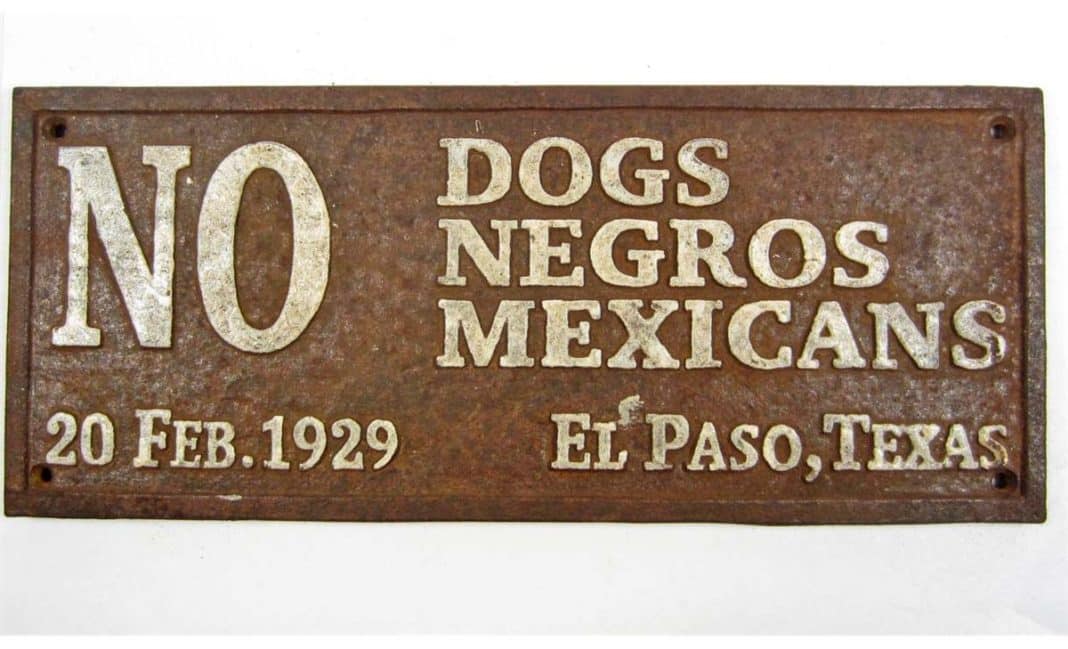
When it comes to discrimination, does the right of somebody to have a product decorated in a specific way take precedence over the right of somebody to not participate in such a decoration they consider to be immoral or offensive? Why can't discrimination laws allow for protection of EVERYBODY to be who and what they are?
Or must everything be a one size fits all dictated by a central government.
I think when it comes to basic rights they must be even across the board - not a checkerboard of rights depending on where you live.
If discrimination laws allow for the protection of EVERYBODY to be who and what they are how do you handle that when who and what they are causes discrimination against another?