The Dangerous Drift to Redefine Protest as Terrorism

berg80

Diamond Member
Joined
Oct 28, 2017
Messages
33,260
Reaction score
27,118
Points
2,820
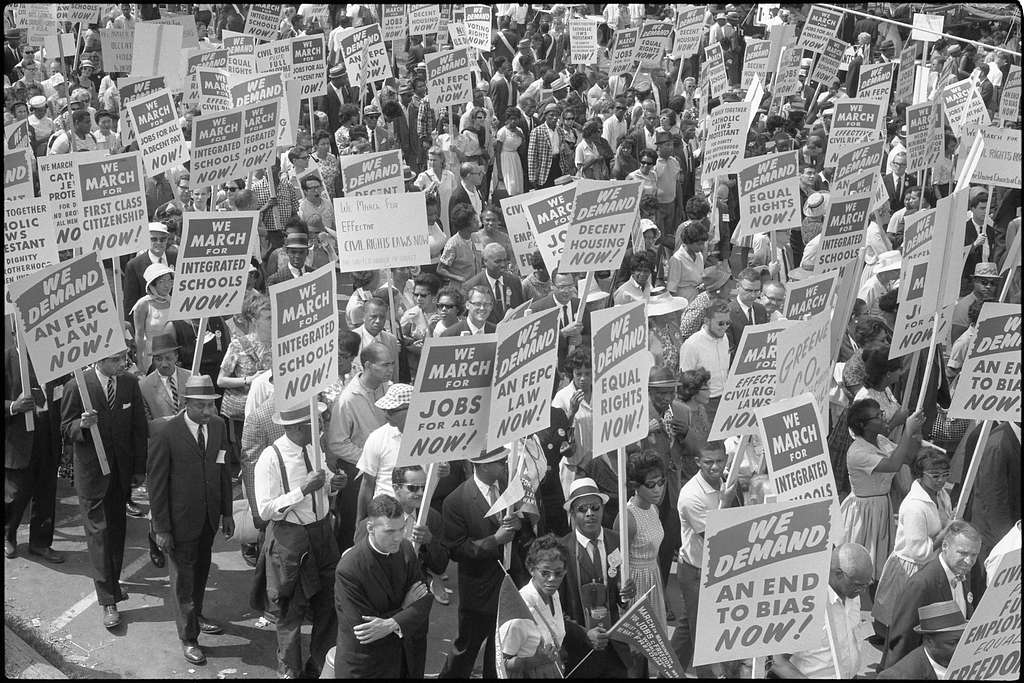
When college students sat down at segregated lunch counters in 1960, they were breaking the law. They trespassed on private property, refused police orders to disperse, and sometimes violated court injunctions specifically designed to stop their demonstrations. In an effort to maintain public order, local authorities arrested them by the hundreds and charged them with disturbing the peace.

But these students were also exercising their constitutional rights.

This paradox—that civil disobedience can be simultaneously illegal and constitutionally protected—has been a constant source of tension in the U.S. But how the law talks about it has changed. Increasingly, the language of national security is creeping into spaces once governed by public-order statutes and First Amendment doctrine. We are no longer debating whether protesters who break the law should face charges. The new question is whether they should be investigated as terrorists.

What happened in Minneapolis—and what threatens to happen more broadly—reveals how quickly that transformation can occur, and why it should alarm anyone who cares about democratic dissent.
We have been here before, repeatedly. In his comprehensive study “Perilous Times,” legal historian Geoffrey Stone traces a recurring American pattern: Perceived crisis triggers expanded executive power—which gets directed not just at genuine threats but at unpopular dissent—until the crisis passes and retrospective analysis reveals how badly we overreacted.

The alarm is especially pertinent given the regime's penchant for authoritarian governance. Something it has made no secret of in threatening to invoke the Sedition Act to stifle political dissent and criticism from American citizens.

The entire article is a worthy read.
 
This was set in motion by the PATRIOT ACT. Libertarians told you all this would happen - that the unconstitutional powers created by the law would be used against Americans, and anyone who the government doesn't like.

Ta-da!
 
Last edited:
When college students sat down at segregated lunch counters in 1960, they were breaking the law. They trespassed on private property, refused police orders to disperse, and sometimes violated court injunctions specifically designed to stop their demonstrations. In an effort to maintain public order, local authorities arrested them by the hundreds and charged them with disturbing the peace.

But these students were also exercising their constitutional rights.

This paradox—that civil disobedience can be simultaneously illegal and constitutionally protected—has been a constant source of tension in the U.S. But how the law talks about it has changed. Increasingly, the language of national security is creeping into spaces once governed by public-order statutes and First Amendment doctrine. We are no longer debating whether protesters who break the law should face charges. The new question is whether they should be investigated as terrorists.

What happened in Minneapolis—and what threatens to happen more broadly—reveals how quickly that transformation can occur, and why it should alarm anyone who cares about democratic dissent.
We have been here before, repeatedly. In his comprehensive study “Perilous Times,” legal historian Geoffrey Stone traces a recurring American pattern: Perceived crisis triggers expanded executive power—which gets directed not just at genuine threats but at unpopular dissent—until the crisis passes and retrospective analysis reveals how badly we overreacted.


The alarm is especially pertinent given the regime's penchant for authoritarian governance. Something it has made no secret of in threatening to invoke the Sedition Act to stifle political dissent and criticism from American citizens.

The entire article is a worthy read.
Hell, you fricken loons have already redefined Terrorism as Protest.
 
This was set in motion by the PATRIOT ACT. Libertarians told you all this would happen - that the unconstitutional powers created by the law would be used against Americans, and anyone who the government doesn't.

Ta-da!
And nothing of the sort happened.

So, you were wrong as usual.

Toodles.
 
When college students sat down at segregated lunch counters in 1960, they were breaking the law. They trespassed on private property, refused police orders to disperse, and sometimes violated court injunctions specifically designed to stop their demonstrations. In an effort to maintain public order, local authorities arrested them by the hundreds and charged them with disturbing the peace.

But these students were also exercising their constitutional rights.

This paradox—that civil disobedience can be simultaneously illegal and constitutionally protected—has been a constant source of tension in the U.S. But how the law talks about it has changed. Increasingly, the language of national security is creeping into spaces once governed by public-order statutes and First Amendment doctrine. We are no longer debating whether protesters who break the law should face charges. The new question is whether they should be investigated as terrorists.

What happened in Minneapolis—and what threatens to happen more broadly—reveals how quickly that transformation can occur, and why it should alarm anyone who cares about democratic dissent.
We have been here before, repeatedly. In his comprehensive study “Perilous Times,” legal historian Geoffrey Stone traces a recurring American pattern: Perceived crisis triggers expanded executive power—which gets directed not just at genuine threats but at unpopular dissent—until the crisis passes and retrospective analysis reveals how badly we overreacted.


The alarm is especially pertinent given the regime's penchant for authoritarian governance. Something it has made no secret of in threatening to invoke the Sedition Act to stifle political dissent and criticism from American citizens.

The entire article is a worthy read.

That is civil disobedience, and the whole purpose is to get arrested for doing something you think is wrong to be illegal.

They key is to not resist, and to peacefully submit to law enforcement.

That's the part you idiots forget about.
 
When college students sat down at segregated lunch counters in 1960, they were breaking the law. They trespassed on private property, refused police orders to disperse, and sometimes violated court injunctions specifically designed to stop their demonstrations. In an effort to maintain public order, local authorities arrested them by the hundreds and charged them with disturbing the peace.

But these students were also exercising their constitutional rights.

This paradox—that civil disobedience can be simultaneously illegal and constitutionally protected—has been a constant source of tension in the U.S. But how the law talks about it has changed. Increasingly, the language of national security is creeping into spaces once governed by public-order statutes and First Amendment doctrine. We are no longer debating whether protesters who break the law should face charges. The new question is whether they should be investigated as terrorists.

What happened in Minneapolis—and what threatens to happen more broadly—reveals how quickly that transformation can occur, and why it should alarm anyone who cares about democratic dissent.
We have been here before, repeatedly. In his comprehensive study “Perilous Times,” legal historian Geoffrey Stone traces a recurring American pattern: Perceived crisis triggers expanded executive power—which gets directed not just at genuine threats but at unpopular dissent—until the crisis passes and retrospective analysis reveals how badly we overreacted.


The alarm is especially pertinent given the regime's penchant for authoritarian governance. Something it has made no secret of in threatening to invoke the Sedition Act to stifle political dissent and criticism from American citizens.

The entire article is a worthy read.
Nobody is redefining protest and terrorism

The danger is in trying to claim terrorism is a protest.

Ramming your car into police officers isn't a protest.

Firebombing churches and businesses isn't a protest.
 
When college students sat down at segregated lunch counters in 1960, they were breaking the law. They trespassed on private property, refused police orders to disperse, and sometimes violated court injunctions specifically designed to stop their demonstrations. In an effort to maintain public order, local authorities arrested them by the hundreds and charged them with disturbing the peace.

But these students were also exercising their constitutional rights.

This paradox—that civil disobedience can be simultaneously illegal and constitutionally protected—has been a constant source of tension in the U.S. But how the law talks about it has changed. Increasingly, the language of national security is creeping into spaces once governed by public-order statutes and First Amendment doctrine. We are no longer debating whether protesters who break the law should face charges. The new question is whether they should be investigated as terrorists.

What happened in Minneapolis—and what threatens to happen more broadly—reveals how quickly that transformation can occur, and why it should alarm anyone who cares about democratic dissent.
We have been here before, repeatedly. In his comprehensive study “Perilous Times,” legal historian Geoffrey Stone traces a recurring American pattern: Perceived crisis triggers expanded executive power—which gets directed not just at genuine threats but at unpopular dissent—until the crisis passes and retrospective analysis reveals how badly we overreacted.


The alarm is especially pertinent given the regime's penchant for authoritarian governance. Something it has made no secret of in threatening to invoke the Sedition Act to stifle political dissent and criticism from American citizens.

The entire article is a worthy read.
With the exception of Noem going off the deep end claiming Petri was a domestic terrorist until video made her out to be an idiot, what legitimate protest do you believe is now equated to terrorism?
 
This was set in motion by the PATRIOT ACT. Libertarians told you all this would happen - that the unconstitutional powers created by the law would be used against Americans, and anyone who the government doesn't like.

Ta-da!
As the author points out, it's the repetition of a pattern.

We have been here before, repeatedly. In his comprehensive study “Perilous Times,” legal historian Geoffrey Stone traces a recurring American pattern: Perceived crisis triggers expanded executive power—which gets directed not just at genuine threats but at unpopular dissent—until the crisis passes and retrospective analysis reveals how badly we overreacted.

The difference being we have never had such a malevolent prez intent on abusing his authority before, under the guise of protecting the country.
 
It’s actually calling a spade and spade and lying lib loons are terrified of that
Protests don’t include burning, looting, attacking and shooting at
 
With the exception of Noem going off the deep end claiming Petri was a domestic terrorist until video made her out to be an idiot, what legitimate protest do you believe is now equated to terrorism?
The article is meant to provoke thought. It seems to have worked.

The hypotheticals aren’t abstract. A nonprofit holds a know-your-rights training covering how to protest safely and lawfully. A week later, an unaffiliated group blocks ICE vehicles and someone throws a bottle at an agent. Under a restrained approach, prosecutors charge the assault and the obstruction, but the training stays irrelevant unless there’s evidence it was used to plan the crime. Under an expansive approach, the training becomes a lead: who attended, who paid for it, who else they know, what their politics are. That’s how you convert constitutionally protected association into the basis for investigation.

Or consider this: An activist account posts ICE agents’ names and addresses with a caption calling them “legitimate targets” and urging followers to “make them afraid to sleep.” An agent receives threatening messages. That plausibly involves criminal threats and intimidation—conduct unprotected by the First Amendment. A careful investigation focuses on the threats and unlawful conduct. A politicized investigation treats “anti-ICE protest culture” as the target and works outward from there.
 
It’s actually calling a spade and spade and lying lib loons are terrified of that
Protests don’t include burning, looting, attacking and shooting at
Since you apparently aren't capable of anything other than reflexive attacks you might as well skip reading the whole piece.
 
The article is meant to provoke thought. It seems to have worked.

The hypotheticals aren’t abstract. A nonprofit holds a know-your-rights training covering how to protest safely and lawfully. A week later, an unaffiliated group blocks ICE vehicles and someone throws a bottle at an agent. Under a restrained approach, prosecutors charge the assault and the obstruction, but the training stays irrelevant unless there’s evidence it was used to plan the crime. Under an expansive approach, the training becomes a lead: who attended, who paid for it, who else they know, what their politics are. That’s how you convert constitutionally protected association into the basis for investigation.

Or consider this: An activist account posts ICE agents’ names and addresses with a caption calling them “legitimate targets” and urging followers to “make them afraid to sleep.” An agent receives threatening messages. That plausibly involves criminal threats and intimidation—conduct unprotected by the First Amendment. A careful investigation focuses on the threats and unlawful conduct. A politicized investigation treats “anti-ICE protest culture” as the target and works outward from there.
It's weird you need to be trained on how to act safely and lawfully.
 
The article is meant to provoke thought. It seems to have worked.

The hypotheticals aren’t abstract. A nonprofit holds a know-your-rights training covering how to protest safely and lawfully. A week later, an unaffiliated group blocks ICE vehicles and someone throws a bottle at an agent. Under a restrained approach, prosecutors charge the assault and the obstruction, but the training stays irrelevant unless there’s evidence it was used to plan the crime. Under an expansive approach, the training becomes a lead: who attended, who paid for it, who else they know, what their politics are. That’s how you convert constitutionally protected association into the basis for investigation.
Except thats attempted battery on an LEO a felony.
Blocking ICE (and regular people) is legitimate how? Under what stare decisis?

Or consider this: An activist account posts ICE agents’ names and addresses with a caption calling them “legitimate targets” and urging followers to “make them afraid to sleep.”
Thats doxxing. When did doxxing become legitimate protest? If it acceptable if you get doxxed by the government? What if they doxx you and someone starts calling your home with threats? How is this protected historical protest?


An agent receives threatening messages. That plausibly involves criminal threats and intimidation—conduct unprotected by the First Amendment. A careful investigation focuses on the threats and unlawful conduct. A politicized investigation treats “anti-ICE protest culture” as the target and works outward from there.
Except, as you noted, it was indeed an organized doxxing attempt. Were the protestors charged with crimes? Was RICO employed against them?
 
15th post
Stone’s work is ultimately pessimistic about America’s capacity to learn from its civil liberties failures. He notes that in each crisis, Americans convinced themselves their situation was unprecedented and their restrictions temporary. They weren’t and they weren’t.

Yet Stone also identifies what makes the difference between restraint and excess: political leadership willing to maintain legal discipline even under pressure, courts willing to enforce constitutional limits even when the public is fearful, and robust democratic discourse that allows dissenting voices to be heard.

The modern FBI guidelines were written to embody those lessons. They explicitly state that the government cannot open investigations solely because people are exercising First Amendment rights, and that investigative tools should never be used to discourage lawful protest.

But guidelines work only when political leadership respects the line between setting policy priorities and directing investigative targeting. That line gets blurry when senior officials make sweeping legal claims that pressure the system. When an administration official tells ICE officers they have broad immunity while performing their duties, that anyone obstructing them commits a felony, and that the Justice Department will treat not only activists but also state and local officials as potential conspirators, the message is clear even if the legal claims are overstated. “Obstruction” becomes elastic enough to cover everything from violent interference to peaceful protest.


What the article highlights is there is enough ambiguity to make room for abuse with a regime looking to take advantage of the opportunity to kick down the door of constitutional rights.
 
Stone’s work is ultimately pessimistic about America’s capacity to learn from its civil liberties failures. He notes that in each crisis, Americans convinced themselves their situation was unprecedented and their restrictions temporary. They weren’t and they weren’t.

Yet Stone also identifies what makes the difference between restraint and excess: political leadership willing to maintain legal discipline even under pressure, courts willing to enforce constitutional limits even when the public is fearful, and robust democratic discourse that allows dissenting voices to be heard.

The modern FBI guidelines were written to embody those lessons. They explicitly state that the government cannot open investigations solely because people are exercising First Amendment rights, and that investigative tools should never be used to discourage lawful protest.

But guidelines work only when political leadership respects the line between setting policy priorities and directing investigative targeting. That line gets blurry when senior officials make sweeping legal claims that pressure the system. When an administration official tells ICE officers they have broad immunity while performing their duties, that anyone obstructing them commits a felony, and that the Justice Department will treat not only activists but also state and local officials as potential conspirators, the message is clear even if the legal claims are overstated. “Obstruction” becomes elastic enough to cover everything from violent interference to peaceful protest.


What the article highlights is there is enough ambiguity to make room for abuse with a regime looking to take advantage of the opportunity to kick down the door of constitutional rights.
nah peaceful protest aren't obstruction. Nobody ever said they were.....
 
Back
Top Bottom