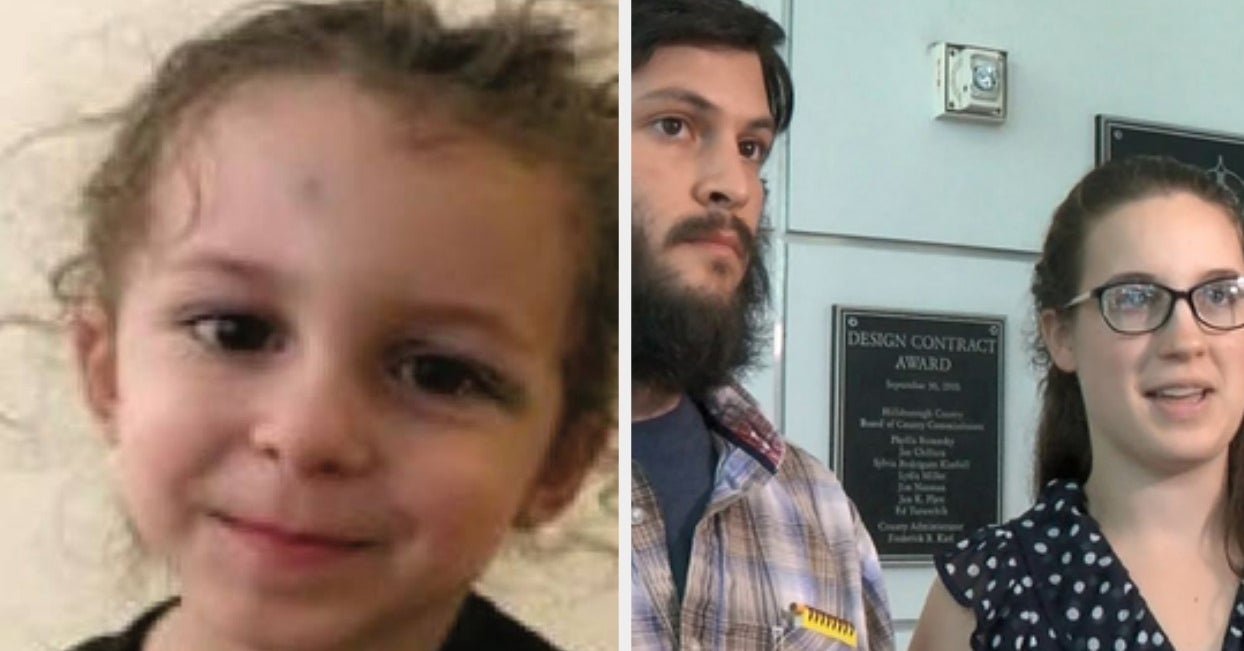
Take over decisions like these? Are the parents right? What rights do the minors have to accept or refuse treatment?
Doctors told BuzzFeed News chemotherapy is the only viable choice for the child's survival.

www.buzzfeednews.com
The Followers of Christ is a religious sect that preaches faith healing in states such as Idaho, which offers a faith-based shield for felony crimes – despite alarming child mortality rates among these groups

www.theguardian.com
Vox is a general interest news site for the 21st century. Its mission: to help everyone understand our complicated world, so that we can all help shape it. In text, video and audio, our reporters explain politics, policy, world affairs, technology, culture, science, the climate crisis, money...

www.vox.com
If an adult made a decision to halt treatment, courts would not intervene. But with minors, the system works differently: parents or guardians have the final say over what type of medical treatment occurs. That is, unless the courts rule the patient a mature minor.
This comes to the mature minor doctrine, a legal concept with variations in each state that acknowledges it. The mature minor doctrine acknowledges that an unemancipated minor may be mature enough to move forward with or reject a health care treatment. Cassandra and her mother argued that her status as a mature minor should have been considered by the court before DCF took custody.
Many instances of minors turning away cancer care come from religious or spiritual beliefs. Young Jehovah's Witnesses have refused life-saving treatments because of their religious beliefs, and courts have respected those decisions. In 2007, 14-year-old Dennis Lindberg died of leukemia after refusing to undergo life-saving blood transfusions. As a Jehovah's Witness, he didn't want to receive blood as the practice is banned in the faith. In that case, a judge ruled Lindberg had the right to make that decision for himself.
Coyote, let’s not lose the baby in that dirty bathwater. (I like that you can jump out of box though, because I do that all the time!) I’ll address your points before going back to gender surgery, and why adolescents might change their mind post-surgery.
The cases where the kids die because caregivers denied life-saving treatment is not anything remotely like elective gender surgery. I tried to connect those dots, but I don’t see it.
I watched a documentary about parents who refused life-saving treatment (kidney transplant with available donor) for their child. These cases are absolutely heartbreaking. Placing their religious views over the life of their child, I’d be pretty sure I was in the wrong church, but that’s just me.
One thing we have in common, and most readers on this thread, is that we care about these kids, right? I agree that kids have rights, all humans have rights. But with permanent gender surgery, until an adult is able to fully grasp the short/middle/long term treatment requirements, and continued need for medical visits, this is a no-brainer.
It is a hard follow-through for bio males and females to maintain adequate hormone levels and this regime impacts brain development.
There are many girls who need hormone therapy following puberty to minimize monthly cramping, regulating erratic periods etc. That’s outside of this discussion box, however, since the levels are minimal compared to what’s needed for gender transition. They’ll be more studies come out about risk factors as we learn more.
Gender surgery should not be something that teens consider to be “just another option to explore”, but this is happening. As you know, peer influence maxes out and peaks during adolescence. Most teens cannot even imagine that they will not be with these same friends forever and ever. I thought the same thing back then! Ha
Example: a new, shy girl befriends a small group of girls at her new school. One girl wants to have gender surgery and that’s all she talks about. The new girl has been sheltered and given very little attention during her formative years, and notices how much attention this new friend is getting. Knowing how middle school girls are, that new girl (who lacks self-awareness and confidence) could consider it as an optional attention getter. Most wouldn’t go beyond that, but some would. Preteens are even more gullible. This needs to be part of the conversation.