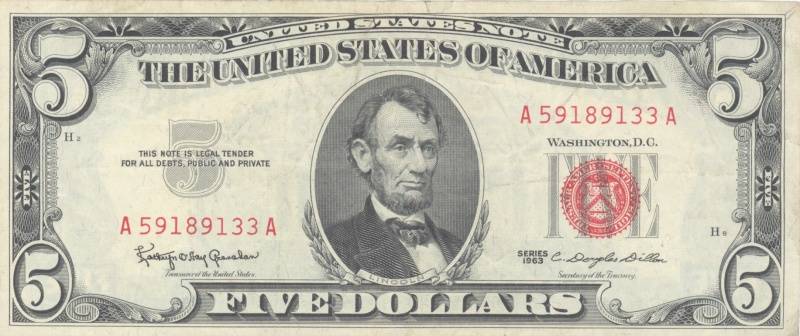
The congress have the power to end the Federal Reserve; the Federal Reserve Act of 1913 is unconstitutional. You repeal the Act and abolish the board of members. You can then liquidate the Feds assets and force a return of monies to the treasury. Any outstanding liabilities are abolished with the exception of programs open to employees such as retirement and other benefits.
If you want to understand the Federal Reserve System read "The Creature from Jekyll Island: A Second Look at the Federal Reserve." Author G.Edward Griffin.
Why would the US government want to borrow money at "interest" from a Private Federal Reserve system of banking cartels that prints money from thin air.
May I suggest that you research "Fiat Currency" and "Fractional Reserve Banking."
The US has the power to issue bonds, so why not it not issue it's own money at no debt to the people?
Essentially your "income tax" goes to pay the interest on the money borrowed to the US Congress from the Fed.
Post of the Day!
Why should we borrow our money from a private bank and owe it back with interest?
If we made our own money we would not have to pay it back and there would be no interest.
It's the only system we have for forcing some discipline on our congress and president. During the formative years of our country's expansion we depended on foreign and domestic wealth owned by private entities to supply the capital to finance the things that needed to be done. It's their money, our government through the treasury provides the standard medium of exchange; the dollar.
I've read the book "Creature/Jekyll Island" and that is no help at all; its for those who have a preconception of the Fed as represented by Griffin. The monetary creation of new dollars shrinks the value of all the dollars owned by the fed/banks and everyone else who owns them in the same way as when a corporation issues new stock, the total value remains the same, but the value of each share of stock shrinks. Dollars are the rolling stock of the people who own the wealth.
Introducing new money into the system is a tool to distribute capital into areas and sectors that are judged to need it to optimize the financial system as a whole, and to stabilize employment in the jobs sector. Viewed in that light it makes perfect sense for the treasury to pay interest to the Fed in the scenario you describe.
The real problem we have is that IMO the fed is being politically railroaded into an untenable situation to keep interest rates low, because we need to attract money from other countries, to presumably stimulate business borrowing, and to enable the treasury to borrow at low rates because we can't really afford the level of debt that we have and will have if we don't change fiscal policy, and if interest rates were normalized.