
berg80
Diamond Member
- Oct 28, 2017
- 33,303
- 27,161
- 2,820
“These gerrymanders enabled politicians to entrench themselves in office as against voters’ preferences,” she wrote. “They promoted partisanship above respect for the popular will. They encouraged a politics of polarization and dysfunction. If left unchecked, gerrymanders like the ones here may irreparably damage our system of government.”
That was part of Justice Kagen's dissent in the 2019 SC case (Rucho vs Common Cause) opening the door ever wider for trump's anti-democratic request of the TX legislature to create 5 Repub controlled seats.
In the two decades Chief Justice John G. Roberts Jr. has led the Supreme Court, the justices have reshaped American elections not just by letting state lawmakers like those in Texas draw voting maps warped by politics, but also by gutting the Voting Rights Act of 1965 and amplifying the role of money in politics.
Developments in recent weeks signaled that some members of the court think there is more work to be done in removing legal guardrails governing elections. There are now signs that court is considering striking down or severely constraining the remaining pillar of the Voting Rights Act, a towering achievement of the civil rights movement that has protected the rights of minority voters since it was enacted 60 years ago last week.
Taken together, the court’s actions in election cases in recent years have shown great tolerance for partisan gamesmanship and great skepticism about federal laws on campaign spending and minority rights. The court’s rulings have been of a piece with its conservative wing’s jurisprudential commitments: giving states leeway in many realms, insisting on an expansive interpretation of the First Amendment and casting a skeptical eye on government racial classifications.
Were it not so tragic it would be comical how right after CJ Roberts gave his myopic, factually unfounded opinion about there no longer being a need for protective aspects (preclearance) of the VRA, Repub controlled states immediately began to prove him wrong.
Along with a prior decision narrowly interpreting constitutional protections for voting rights, Shelby County also sent a message to the nation that the federal courts would no longer play their historic role as a robust protector of voting rights. In the years since, the Court has repeatedly confirmed this, signaling to states that they could pass restrictive voting laws without fear of legal consequence. (The Supreme Court’s recent decision in Allen v. Milligan upholds the Voting Rights Act’s protections against racial gerrymandering, not against voting restrictions.)
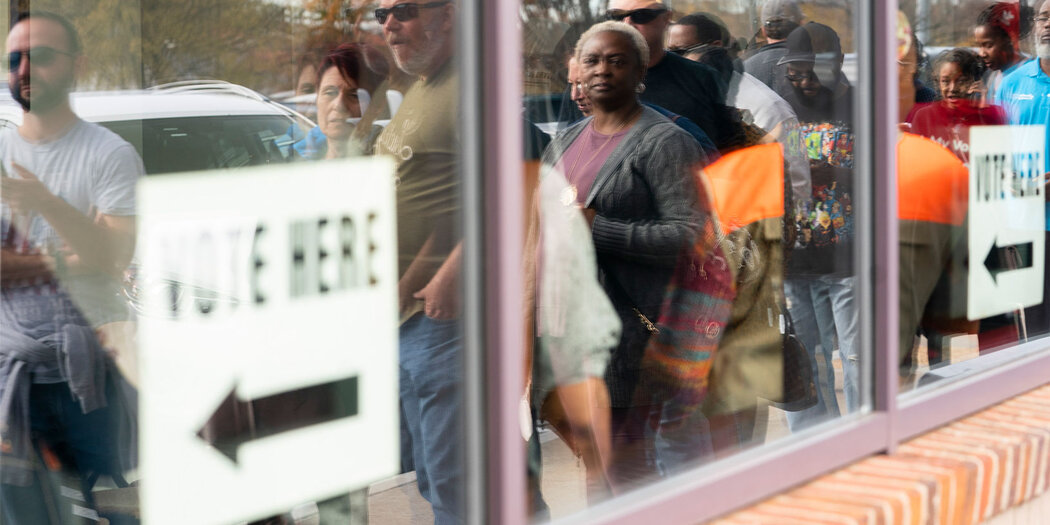
 www.brennancenter.org
Roberts claimed Congress did not consider how things in the country had changed since 1965 when it reauthorized the VRA in 2006. The opposite is true.
According to Chief Justice Roberts’ opinion, the answer to that question is simple: The facts changed. Congress could have accounted for the shifting face of voter discrimination in its construction of the Section 4 preclearance formula, he wrote, but "instead reenacted a formula based on 40-year-old facts having no logical relation to the present day." He went on to blast "the irrationality of continued reliance on the §4 coverage formula," insisting that "regardless of how to look at the record . . . no one can fairly say that it shows anything approaching the 'pervasive,' 'flagrant,' 'widespread,' and 'rampant' discrimination that faced Congress in 1965." Taking the majority at its word, one would conclude that Congress reauthorized the VRA in 2006 without giving second thought to the15,000 pages of facts, figures, and testimony it amassed as part of the legislative record when considering the law. How could such a sweeping law pass constitutional muster with Congress failing even to consider whether it remained necessary in light of those findings?
But the answer, unsurprisingly, was that Congress did no such thing. Instead, it approved the VRA's reauthorization after determining that the preclearance formula was "necessary to protect racial and language minority citizens located in covered jurisdictions from discrimination." And although it acknowledged, as the Shelby Court did, that there had been significant improvements in ballot access since the law's initial passage, Congress also found that "if not for [Sections 4 and 5] of the VRA the gains made by minorities would not have been made," and "the gains achieved by minority voters over the last 40 years are vulnerable without the protections afforded by" the preclearance regime.
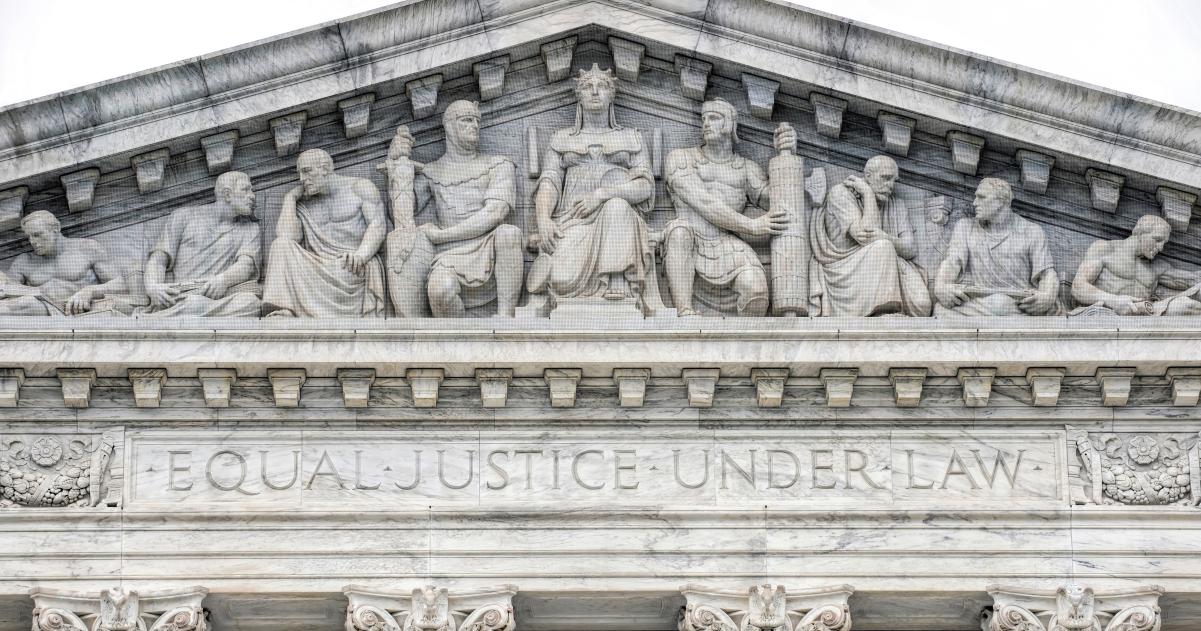
 campaignlegal.org
While regrettable, it is easier to understand how so many Repub voters base their beliefs on factual inaccuracies. But one would hope a person with the resources at the disposal of the Chief Justice of the SC would be better informed. One would hope someone in that powerful position would approach matters of national importance with an open mind. Alas, life is full of disappointments.
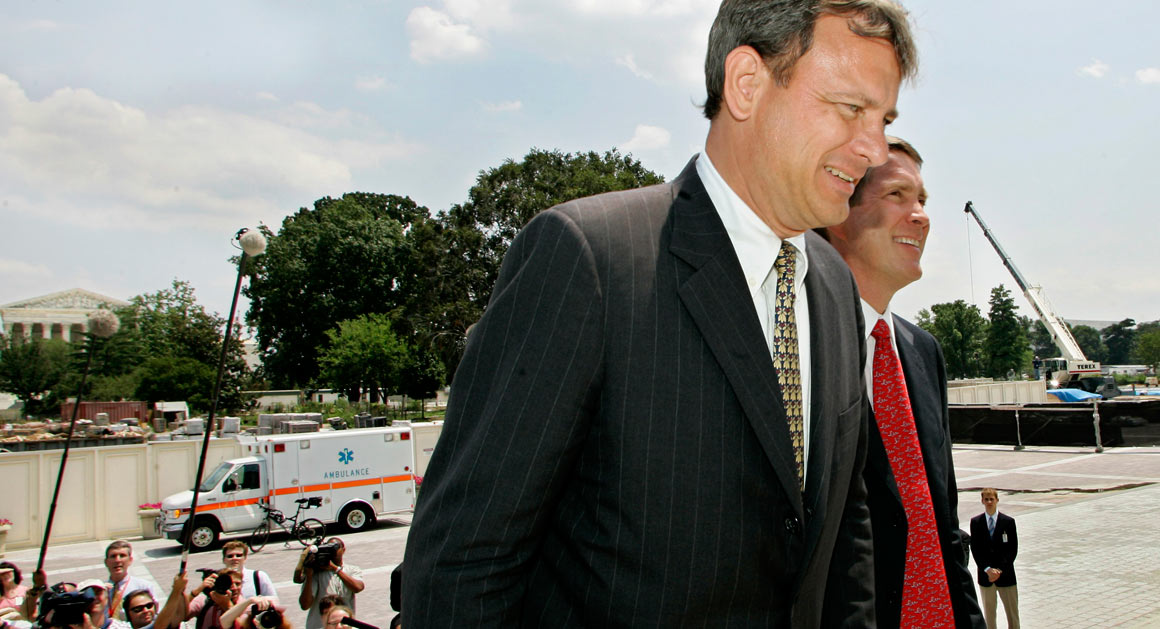
 www.politico.com
That was part of Justice Kagen's dissent in the 2019 SC case (Rucho vs Common Cause) opening the door ever wider for trump's anti-democratic request of the TX legislature to create 5 Repub controlled seats.
In Election Cases, Supreme Court Keeps Removing Guardrails
If Republicans succeed in pulling off an aggressively partisan gerrymander of congressional districts in Texas, they will owe the Supreme Court a debt of gratitude.In the two decades Chief Justice John G. Roberts Jr. has led the Supreme Court, the justices have reshaped American elections not just by letting state lawmakers like those in Texas draw voting maps warped by politics, but also by gutting the Voting Rights Act of 1965 and amplifying the role of money in politics.
Developments in recent weeks signaled that some members of the court think there is more work to be done in removing legal guardrails governing elections. There are now signs that court is considering striking down or severely constraining the remaining pillar of the Voting Rights Act, a towering achievement of the civil rights movement that has protected the rights of minority voters since it was enacted 60 years ago last week.
Taken together, the court’s actions in election cases in recent years have shown great tolerance for partisan gamesmanship and great skepticism about federal laws on campaign spending and minority rights. The court’s rulings have been of a piece with its conservative wing’s jurisprudential commitments: giving states leeway in many realms, insisting on an expansive interpretation of the First Amendment and casting a skeptical eye on government racial classifications.
Were it not so tragic it would be comical how right after CJ Roberts gave his myopic, factually unfounded opinion about there no longer being a need for protective aspects (preclearance) of the VRA, Repub controlled states immediately began to prove him wrong.
States Have Added Nearly 100 Restrictive Laws Since SCOTUS Gutted the Voting Rights Act 10 Years Ago
Ten years ago, the Supreme Court eviscerated a central component of the Voting Rights Act in Shelby County v. Holder. That decision removed the requirement for jurisdictions with histories of racial discrimination in voting to obtain federal approval for new voting policies — a process called “preclearance.” Without this guardrail, voters lost a bulwark against discriminatory voting policies, and states previously subject to preclearance were free to implement discriminatory restrictions on voting access without advance checks. Many states did exactly that.Along with a prior decision narrowly interpreting constitutional protections for voting rights, Shelby County also sent a message to the nation that the federal courts would no longer play their historic role as a robust protector of voting rights. In the years since, the Court has repeatedly confirmed this, signaling to states that they could pass restrictive voting laws without fear of legal consequence. (The Supreme Court’s recent decision in Allen v. Milligan upholds the Voting Rights Act’s protections against racial gerrymandering, not against voting restrictions.)
States Have Added Nearly 100 Restrictive Laws Since SCOTUS Gutted the Voting Rights Act 10 Years Ago
Many of the new laws are in states with a history of racial voting discrimination.
Roberts claimed Congress did not consider how things in the country had changed since 1965 when it reauthorized the VRA in 2006. The opposite is true.
According to Chief Justice Roberts’ opinion, the answer to that question is simple: The facts changed. Congress could have accounted for the shifting face of voter discrimination in its construction of the Section 4 preclearance formula, he wrote, but "instead reenacted a formula based on 40-year-old facts having no logical relation to the present day." He went on to blast "the irrationality of continued reliance on the §4 coverage formula," insisting that "regardless of how to look at the record . . . no one can fairly say that it shows anything approaching the 'pervasive,' 'flagrant,' 'widespread,' and 'rampant' discrimination that faced Congress in 1965." Taking the majority at its word, one would conclude that Congress reauthorized the VRA in 2006 without giving second thought to the15,000 pages of facts, figures, and testimony it amassed as part of the legislative record when considering the law. How could such a sweeping law pass constitutional muster with Congress failing even to consider whether it remained necessary in light of those findings?
But the answer, unsurprisingly, was that Congress did no such thing. Instead, it approved the VRA's reauthorization after determining that the preclearance formula was "necessary to protect racial and language minority citizens located in covered jurisdictions from discrimination." And although it acknowledged, as the Shelby Court did, that there had been significant improvements in ballot access since the law's initial passage, Congress also found that "if not for [Sections 4 and 5] of the VRA the gains made by minorities would not have been made," and "the gains achieved by minority voters over the last 40 years are vulnerable without the protections afforded by" the preclearance regime.
Voting Discrimination Still Exists, So How Did Chief Justice Roberts Unravel the VRA?
Barely a page into his majority opinion in Shelby County v. Holder, Chief Justice John Roberts makes a claim that in any other context would seem unremarkable, even obvious: "Voting discrimination still exists; no one doubts that." ...
While regrettable, it is easier to understand how so many Repub voters base their beliefs on factual inaccuracies. But one would hope a person with the resources at the disposal of the Chief Justice of the SC would be better informed. One would hope someone in that powerful position would approach matters of national importance with an open mind. Alas, life is full of disappointments.
Inside John Roberts’ Decades-Long Crusade Against the Voting Rights Act
Inside John Roberts’ Decades-Long Crusade Against the Voting Rights Act
Roberts remains at the center of an impassioned debate about voting rights in America.
www.politico.com


