Hundreds died from extreme heat in B.C. Four years after the province promised relief, many are still vulnerable to the ‘silent killer’

shockedcanadian

Diamond Member
Joined
Aug 6, 2012
Messages
43,977
Reaction score
43,018
Points
3,605
Sad, but a reality in Canada.

People dying of heat. Disgusting really, while the S.I.C takes all of our resources and crushes our economy and reputation.


NEW WESTMINSTER, B.C. — Tracey McKinlay insisted she was fine before saying goodbye to her sister and hanging up the phone.

The temperature hadn’t fallen below 20 C in three days, and McKinlay’s apartment at the Legion Manor, a subsidized building for seniors operated by B.C. Housing and the Legion, was a hot box. The 61-year-old lived on the tenth floor, in a small, east-facing studio where the morning sun would stream in through a wall of windows — only one of which could be opened. She had no air conditioner.

It was June 2021 and the heat dome settling over the normally temperate lower mainland would soon break temperature records and make headlines. The provincial coroner would later find extreme heat contributed to hundreds of deaths. Ninety per cent of the victims were, like McKinlay, 60 years and older. Most also had a chronic health condition and lived alone in old, poorly insulated housing without air conditioning. McKinlay ticked all the boxes.
“We knew the heat dome was pretty nasty,” said Jeanne Hansen, McKinlay’s sister. “We were checking in. That day, she said she’d gone out for her walk, that she was OK, that everything was fine.”

McKinlay hadn’t told her sister that her fan — the only thing keeping her cool — was broken.
The deadly temperatures in June 2021 spurred B.C. to the forefront of Canada’s fight against extreme heat. The province developed an early warning system that sent alerts to cell phones. It said it would spend $30 million on a new program to give 28,000 air conditioners to medically vulnerable and low-income people by 2026. It updated the provincial building code to require cooling in at least one room in new buildings, among other measures.
 
Uhm. How hot is hot to you guys?
Let's see what the temp was here today.
flhot.webp

^That's not nice.
 
Uhm. How hot is hot to you guys?
Let's see what the temp was here today.
View attachment 1144218
^That's not nice.
We have a grrat deal of homeless and very poor, elderly people who cant afford A/C, or, the building they live wont let them run it. I want my damn money so I can gtfo of this creepy, abusive,.declining place. Everyone but the champagne drinking elite know it is collapsing. Trunmps team knows too, they know of the abuses against America. This wont end well for the poor and abused.
 
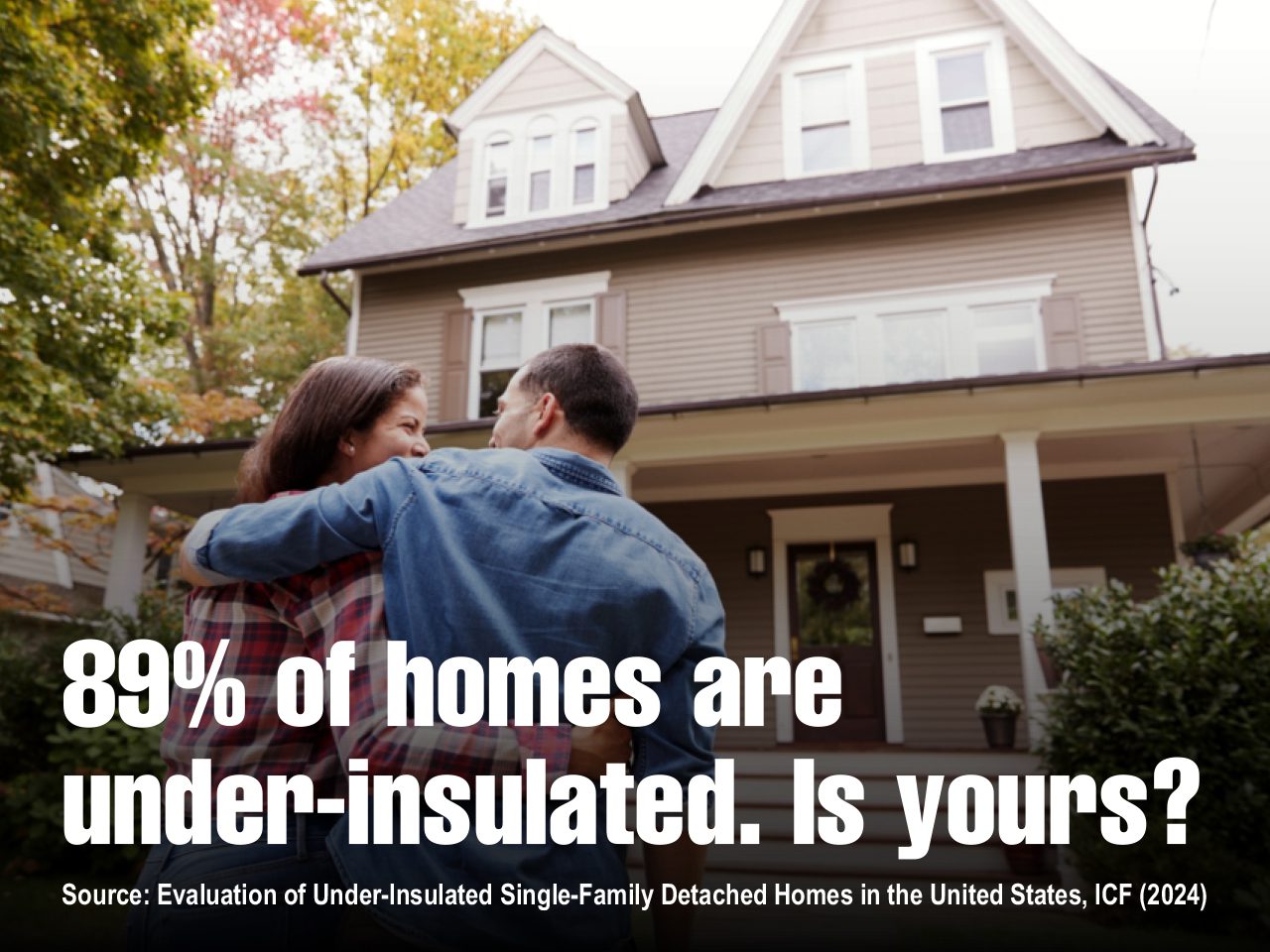
. In the U.S. more than 90 percent of buildings are inadequately insulated. The old standards have been upgraded, for example attic insulation has been upgraded from R30 to R49 or higher. Better insulation would save energy and lives.

 
We have a grrat deal of homeless and very poor, elderly people who cant afford A/C, or, the building they live wont let them run it. I want my damn money so I can gtfo of this creepy, abusive,.declining place. Everyone but the champagne drinking elite know it is collapsing. Trunmps team knows too, they know of the abuses against America. This wont end well for the poor and abused.
I'm appalled by the physical and mental condition of our seniors. What in the hell did they do in their lives to get into this condition?
 
We have a grrat deal of homeless and very poor, elderly people who cant afford A/C, or, the building they live wont let them run it. I want my damn money so I can gtfo of this creepy, abusive,.declining place. Everyone but the champagne drinking elite know it is collapsing. Trunmps team knows too, they know of the abuses against America. This wont end well for the poor and abused.
20C (the temp listed in your OP) is 68F according to Google.

My AC is set for 73F during the summer and my heat is set at 69F in the winter. I understand the elderly may not deal with extreme temps well, but I wouldn’t consider 68 degrees to be an extreme.
 
Sad, but a reality in Canada.

People dying of heat. Disgusting really, while the S.I.C takes all of our resources and crushes our economy and reputation.


NEW WESTMINSTER, B.C. — Tracey McKinlay insisted she was fine before saying goodbye to her sister and hanging up the phone.

The temperature hadn’t fallen below 20 C in three days, and McKinlay’s apartment at the Legion Manor, a subsidized building for seniors operated by B.C. Housing and the Legion, was a hot box. The 61-year-old lived on the tenth floor, in a small, east-facing studio where the morning sun would stream in through a wall of windows — only one of which could be opened. She had no air conditioner.

It was June 2021 and the heat dome settling over the normally temperate lower mainland would soon break temperature records and make headlines. The provincial coroner would later find extreme heat contributed to hundreds of deaths. Ninety per cent of the victims were, like McKinlay, 60 years and older. Most also had a chronic health condition and lived alone in old, poorly insulated housing without air conditioning. McKinlay ticked all the boxes.
“We knew the heat dome was pretty nasty,” said Jeanne Hansen, McKinlay’s sister. “We were checking in. That day, she said she’d gone out for her walk, that she was OK, that everything was fine.”

McKinlay hadn’t told her sister that her fan — the only thing keeping her cool — was broken.
The deadly temperatures in June 2021 spurred B.C. to the forefront of Canada’s fight against extreme heat. The province developed an early warning system that sent alerts to cell phones. It said it would spend $30 million on a new program to give 28,000 air conditioners to medically vulnerable and low-income people by 2026. It updated the provincial building code to require cooling in at least one room in new buildings, among other measures.
They setup "cooling centers" here in Arizona for the homeless. Big tents with portable AC units, lots of water and ice. Nothing like that in Canada?
 
Sad, but a reality in Canada.

People dying of heat. Disgusting really, while the S.I.C takes all of our resources and crushes our economy and reputation.


NEW WESTMINSTER, B.C. — Tracey McKinlay insisted she was fine before saying goodbye to her sister and hanging up the phone.

The temperature hadn’t fallen below 20 C in three days, and McKinlay’s apartment at the Legion Manor, a subsidized building for seniors operated by B.C. Housing and the Legion, was a hot box. The 61-year-old lived on the tenth floor, in a small, east-facing studio where the morning sun would stream in through a wall of windows — only one of which could be opened. She had no air conditioner.

It was June 2021 and the heat dome settling over the normally temperate lower mainland would soon break temperature records and make headlines. The provincial coroner would later find extreme heat contributed to hundreds of deaths. Ninety per cent of the victims were, like McKinlay, 60 years and older. Most also had a chronic health condition and lived alone in old, poorly insulated housing without air conditioning. McKinlay ticked all the boxes.
“We knew the heat dome was pretty nasty,” said Jeanne Hansen, McKinlay’s sister. “We were checking in. That day, she said she’d gone out for her walk, that she was OK, that everything was fine.”

McKinlay hadn’t told her sister that her fan — the only thing keeping her cool — was broken.
The deadly temperatures in June 2021 spurred B.C. to the forefront of Canada’s fight against extreme heat. The province developed an early warning system that sent alerts to cell phones. It said it would spend $30 million on a new program to give 28,000 air conditioners to medically vulnerable and low-income people by 2026. It updated the provincial building code to require cooling in at least one room in new buildings, among other measures.
20 degrees C is 68 degrees F which is what my air conditioner is set on now. I would prefer it higher but the upstairs gets too hot if we do. We have had heat index of 110 degrees F withing the past two weeks. Canada just needs to get with the program.

I lived in Rhode Island for three summers and there was no AC anywhere. Everyone up there was complaining when it got to 100 degrees F one day, but if they hadn't said anything, we would have never known.
 
20 degrees C is 68 degrees F which is what my air conditioner is set on now. I would prefer it higher but the upstairs gets too hot if we do. We have had heat index of 110 degrees F withing the past two weeks. Canada just needs to get with the program.

I lived in Rhode Island for three summers and there was no AC anywhere. Everyone up there was complaining when it got to 100 degrees F one day, but if they hadn't said anything, we would have never known.
As a life-long New Englander I’m surprised to hear you say there was NO A/C anywhere.

I do agree that A/C systems are not a given in any building in New England but residential structures tend to have fans and/or window A/C units. Central heating and air is still not a standard around here, even in new construction. Many of the older buildings cannot be converted to central A/C units due to their construction.
 
Sad, but a reality in Canada.

People dying of heat. Disgusting really, while the S.I.C takes all of our resources and crushes our economy and reputation.


NEW WESTMINSTER, B.C. — Tracey McKinlay insisted she was fine before saying goodbye to her sister and hanging up the phone.

The temperature hadn’t fallen below 20 C in three days, and McKinlay’s apartment at the Legion Manor, a subsidized building for seniors operated by B.C. Housing and the Legion, was a hot box. The 61-year-old lived on the tenth floor, in a small, east-facing studio where the morning sun would stream in through a wall of windows — only one of which could be opened. She had no air conditioner.

It was June 2021 and the heat dome settling over the normally temperate lower mainland would soon break temperature records and make headlines. The provincial coroner would later find extreme heat contributed to hundreds of deaths. Ninety per cent of the victims were, like McKinlay, 60 years and older. Most also had a chronic health condition and lived alone in old, poorly insulated housing without air conditioning. McKinlay ticked all the boxes.
“We knew the heat dome was pretty nasty,” said Jeanne Hansen, McKinlay’s sister. “We were checking in. That day, she said she’d gone out for her walk, that she was OK, that everything was fine.”

McKinlay hadn’t told her sister that her fan — the only thing keeping her cool — was broken.
The deadly temperatures in June 2021 spurred B.C. to the forefront of Canada’s fight against extreme heat. The province developed an early warning system that sent alerts to cell phones. It said it would spend $30 million on a new program to give 28,000 air conditioners to medically vulnerable and low-income people by 2026. It updated the provincial building code to require cooling in at least one room in new buildings, among other measures.
 
20 C?.....69 f? That's a good temp no?
 
We have a grrat deal of homeless and very poor, elderly people who cant afford A/C, or, the building they live wont let them run it. I want my damn money so I can gtfo of this creepy, abusive,.declining place. Everyone but the champagne drinking elite know it is collapsing. Trunmps team knows too, they know of the abuses against America. This wont end well for the poor and abused.

Thank you for warning all of us about what has been happening.

I attempt to warn people about what Economist John Hotson and
Economist Harold Chorney and
Economist Mario Seccarrecia warned us Canadians about. If you google those three names you will find out what has been hidden from the vast majority of Canadians, [especially since 1974].


by Harold Chorney, John Hotson, and Mario Seccareccia

“Governments these days find it easy to defend cuts in services and programs. All they have to do is point to their annual deficits and their total accumulated debts. (As of March, 1994, Canada's public debt was about $546 billion.) This public debt provides the politicians with a convenient excuse for cutting spending or raising taxes. Or both. «We're broke,» they tell us plaintively. «We can't afford to increase public services, or even keep them at their present level.»​

A lesson of war​

“As the deep recession dragged into 1992, Finance Minister Don Mazankowski said he couldn't do anything about it. His hands were tied, he said. The federal government was broke. The cupboard was bare. The deficit and accumulated national debt were so enormous that his first priority had to be to reduce them — even if that meant prolonging the recession and making it even worse.

“So his budget contained almost nothing to revive the sick economy. With interest payments on the debt gobbling up one-third of tax revenue, his response was to keep taxes high and axe more public services and agencies. Like Martin Luther before him, Mazankowski in effect proclaimed: «Here stand I. I cannot do otherwise.»

“But it doesn't take an economist to see that in fact he could. All you have to do is imagine what the government would do if it got involved in another Gulf War — or if that war were still raging. Would the Finance Minister have brought down the same kind of budget? Would he have said, «We'd like to keep on fighting, but we're broke, so we're calling our troops back»? Not on your life!

“Did Canada surrender half way through World War II because the national debt had grown even larger than the Gross Domestic Product (GDP)? Of course not! Somehow the extra money was found. If it wasn't by raising taxes or borrowing from the private banks, why, the Bank of Canada simply created all the money the government needed — and at near-zero interest rates, too!


“When World War II ended, the national debt relative to the national income was more than twice as large as it is now. But was the country ruined? Did we have to declare national bankruptcy? Far from it! Instead, Canada's economy boomed and the country prospered for most of the post-war period.​

The Bank of Canada has failed in its duty​

“Why isn't the same thing happening today? Why was a much larger national debt shrugged off in 1945, while today's much smaller debt (as a percentage of GDP) is being used as an excuse to let the economy stagnate?

“The answer can be found at the Bank of Canada. During the war, and for 30 years afterward, the government could borrow what it needed at low rates of interest, because the government's own bank produced up to half of all the new money. That forced the private banks to keep their interest rates low, too.


“Since the mid-1970s, however, the Bank of Canada, with government consent, has been creating less and less of the new money, while letting the private banks create more and more. Today «our» bank creates a mere 2% of each year's new money supply, while allowing the private banks to gouge the government — and of course you and me, as well — with outrageously high interest rates. And it is these extortionate interest charges that are the principal cause of the rapid escalation of the national debt. If the federal government were paying interest at the average levels that prevailed from the 1930s to the mid-1970s, it would now be running an operating surplus of about $13 billion!”

The updated version (January, 1996) of the pamphlet expresses the same ideas:
...
...
...

“Clearly the current problem of the Canadian government's deficit is not its absolute size, or its size relative to the GDP, but the insane way it is being financed. A return to the policies of the World War II era, when the Bank of Canada produced almost one-half of the new money at near-zero interest, would do wonders for the economy, while greatly shrinking the deficit... The first order of business for a post-Mulroney-era government must be to regain effective control of the Bank of Canada and make it the primary source of money creation.

“It is ludicrous for the government to put billions of dollars into circulation by borrowing from the private banks, when it can create the extra money it needs, virtually free.

Banks create money​


Back
Top Bottom