Sometimes whites in here have to take a ***** slapping and they still won't shut the **** up. Ethos you are running your white mouth on a matter you really know nothing about. You should have shut up, but you chose to talk shit. So lets talk about the black community in America in 1994 white boy.
At that time the crack Reagan and bush 1 put in the black community to pay for the contras had created crackheads, crack babies and crack dealers who would violently defend their sales territory. Something had to be done in order to stop the carnage.
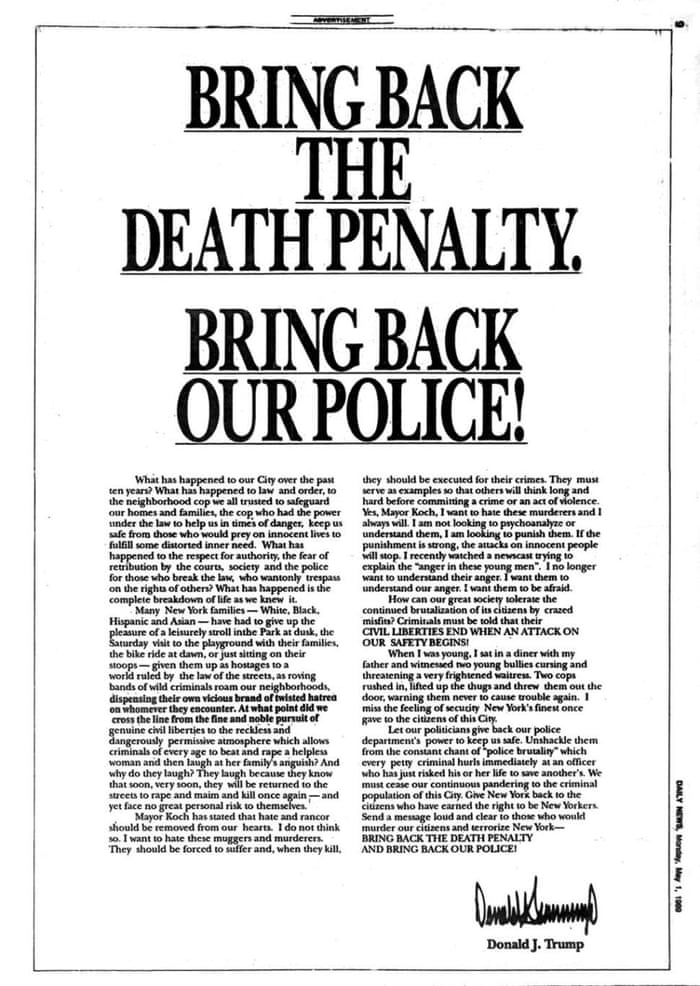
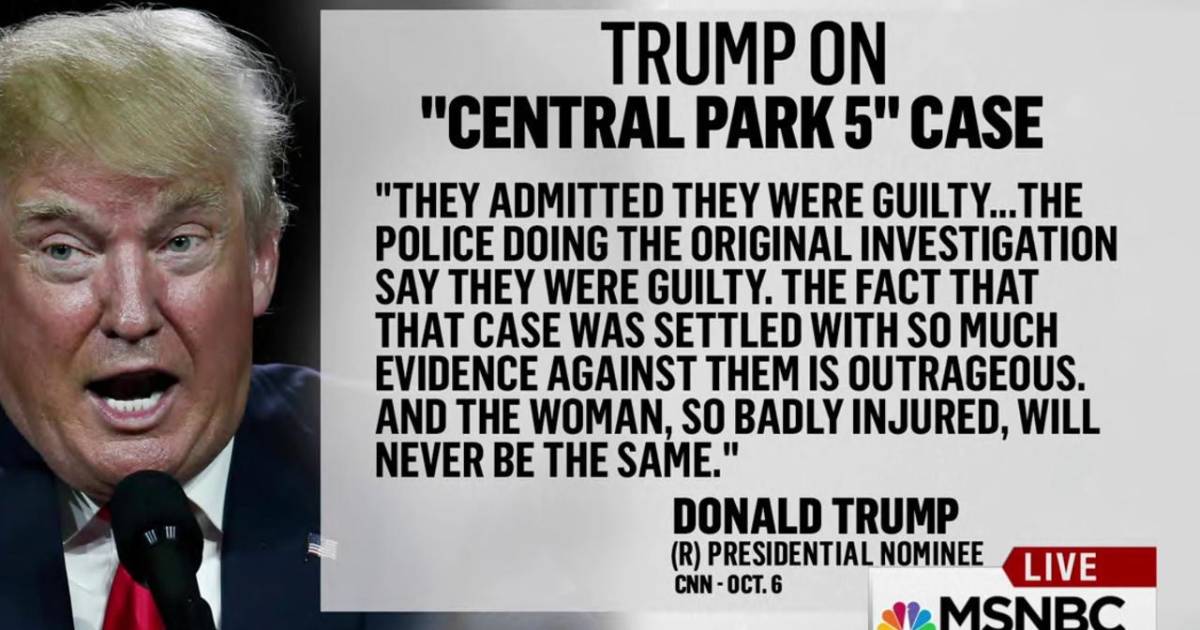
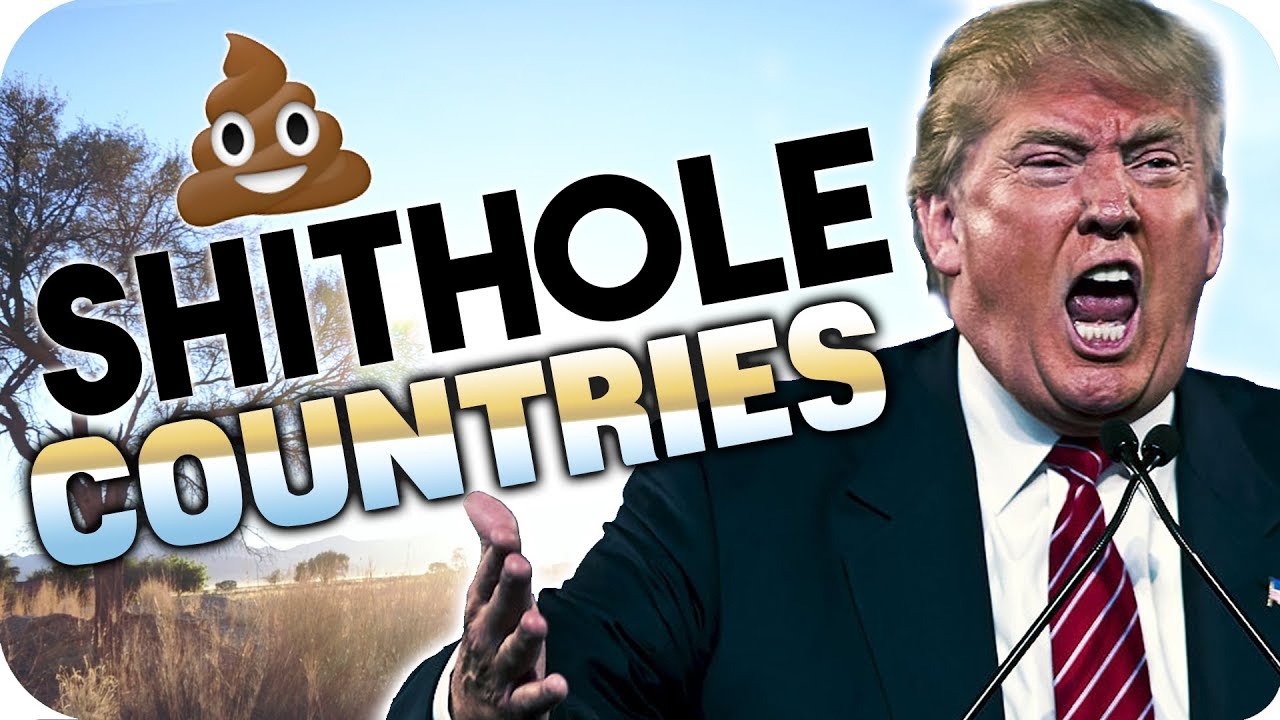
A lot has changed since the 1994 crime bill. But not Trump’s racism.
Here’s what talk-show host Joe “The Black Eagle” Madison
tweeted this week: “I bet most of the people listening to my show don’t know the history. The CBC [Congressional Black Caucus] backed the crime bill.”
And columnist and author Earl Ofari Hutchinson is even more emphatic: Other black folks, as well as Biden,
he says, should be the ones apologizing for the Violent Crime Control and Law Enforcement Act of 1994.
Hutchinson correctly notes that were it not for the support of a coalition of black clergy and black community-level anti-violence advocates, as well as most members of the CBC, including civil rights icon Rep. John Lewis (D-Ga.), the crime bill might have stalled in Congress. Remember: Drug and gang violence was plaguing black communities in the 1990s. While the bill contained some harsh provisions — expanded death penalties, toughened sentencing guidelines, money for more prisons — it also contained enough sweeteners — money for drug prevention, education and job training — to bring black legislators on board.
Biden championed the bill, to be sure, but he got cues from black leaders in Congress.
But let’s not overlook the state of play in the 1990s, including right here in the District. A drug-fueled murder epidemic was plaguing the town. The No. 1 crime-fighter, who was hell on wheels when it came to pushing for stiffer penalties for the sale and use of marijuana, was then-U.S. Attorney Eric H. Holder Jr. In a 1996 Post
interview, Holder criticized the city for taking the view that minor crimes are not important, referring to the city’s attitudes toward marijuana use and other offenses such as panhandling. Holder said the District could learn from Mayor Rudolph W. Giuliani’s “zero-tolerance” policy in New York, where crime rates dropped after police began aggressively enforcing laws against lesser offenses such as public drunkenness, giving officers an opportunity to check for drugs, guns and outstanding warrants. “If you take these so-called minor crimes seriously and treat them fully, it has a ripple effect,” Holder said. Lots of folks went to prison, thanks to Holder.
That was then.
As attorney general in the Obama administration, Holder evolved into a fierce criminal-justice reformer, as have other 1994 crime bill supporters of a liberal persuasion.
Trump points with pride toward criminal-justice reform legislation that he signed into law with much public fanfare. Truth is, beyond performing ceremonial pen and ink duties, Trump, the credit-taker, had next to nothing to do with the bill’s odyssey from introduction to enactment.
That was the handiwork of a bipartisan group of congressional odd couples: Sens. Cory Booker (D-N.J.) and Rand Paul (R-Ky.), and Rep. Elijah E. Cummings (D-Md.) and then-Rep. Raúl R. Labrador (R-Idaho).
What remains unchanged through the years is Trump and his long history of racism. For which, again, he makes
no apology.
https://www.washingtonpost.com/opin...395ff4-82f8-11e9-bce7-40b4105f7ca0_story.html


:format(jpeg)/cdn.vox-cdn.com/uploads/chorus_image/image/56164533/6.0.jpg)