🇩🇪 Scholz loses: First election forecasts in Germany show CDU, led by Friedrich Merz, winning with 29%

Litwin

Diamond Member
Joined
Sep 3, 2017
Messages
56,763
Reaction score
8,368
Points
1,915
Location
GDL&Sweden
GREAT NEWS FOR EU, Ukraine and The Free World !
Merz will provide Ukraine with long-range Taurus missiles (500 km range, 481 kg warhead). 👍

Merz stepping up is a game-changer. Long-range POWERFUL Taurus missiles! That's what we need to remind moscovia 🇷🇺🇸🇦SEMI -MUSLIM Mongoloid (K.Marx) HORDE that Ukraine won't back down. Time to turn the tide and show them we’re not just defending; we’re striking back. Let's get it done!


patton.webp
 
I think I saw those somewhere. Shoot, aren't these the ones?


YES, 🇷🇺 YOU HATE IT, Merz is a game-changer in everything...


PS
I can't predict their next steps. They are definitively Belgium special forces

Germany :
 
The popularity of the Greens is surprising considering the harm they've caused the economy.
 
The nazis are cut out of govt. That is good considering the amount of american interference in the election.
this is likely to be their highpoint and they can now **** off back to East Germany.
 
That's what we need to remind moscovia 🇷🇺🇸🇦SEMI -MUSLIM Mongoloid (K.Marx) HORDE

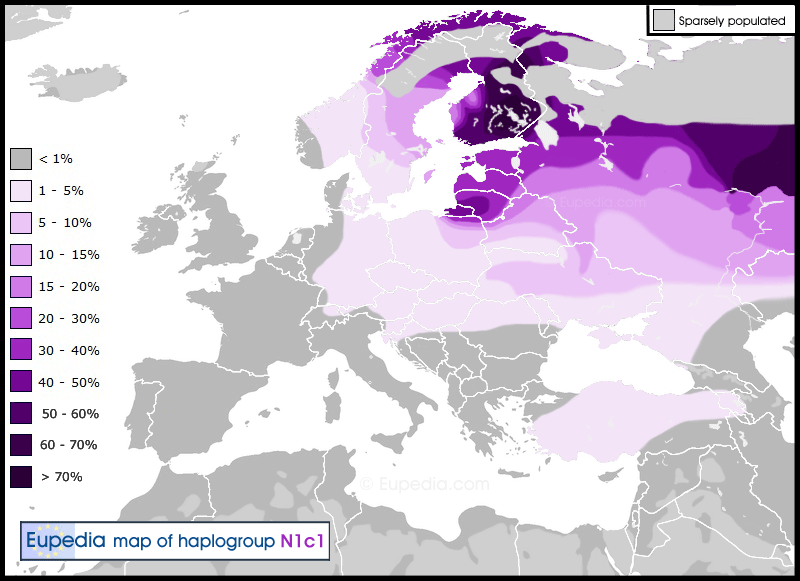
Russians (30%) and Finns (61%) do have Asiatic N1c ancestry from Paleolithic East Asia. This Mongoloid phenotype is especially common in Baltic countries such as Estonia (34%), Latvia (38%), and Lithuania (42%), where they have common Uralic ancestry that is also detected in the Koreans and the Japanese with low frequency.

N1c-tree.webp


  • If haplogroup N1c, found mainly among Uralic speakers today, did originated in the Manchurian Neolithic, together with other subclades of haplogroup N, it would explain that Uralic languages are related to Altaic languages like Turkic and Mongolic languages and, more distantly also Korean, Japanese and Ainu, as Y-haplogroup N is indeed the unifying factor between all these populations.
  • Some linguists have argued that Korean, Japanese and Ainu are language isolates, as they only vaguely resemble other Altaic languages. Tellingly, these populations also have the lowest percentages of Y-haplogroup N - only 3% for the Koreans and 2% for the Japanese, as opposed to 10 to 25% for the Mongols and Buryats, and frequencies between 30% and 90% for most Turkic-speaking Siberians.
 
Last edited:
Russians (30%) and Finns (61%) do have Asiatic N1c ancestry from Paleolithic East Asia. This Mongoloid phenotype is especially common in Baltic countries such as Estonia (34%), Latvia (38%), and Lithuania (42%), where they have common Uralic ancestry that is also detected in the Koreans and the Japanese with low frequency.

View attachment 1082385

  • If haplogroup N1c, found mainly among Uralic speakers today, did originated in the Manchurian Neolithic, together with other subclades of haplogroup N, it would explain that Uralic languages are related to Altaic languages like Turkic and Mongolic languages and, more distantly also Korean, Japanese and Ainu, as Y-haplogroup N is indeed the unifying factor between all these populations.
  • Some linguists have argued that Korean, Japanese and Ainu are language isolates, as they only vaguely resemble other Altaic languages. Tellingly, these populations also have the lowest percentages of Y-haplogroup N - only 3% for the Koreans and 2% for the Japanese, as opposed to 10 to 25% for the Mongols and Buryats, and frequencies between 30% and 90% for most Turkic-speaking Siberians.
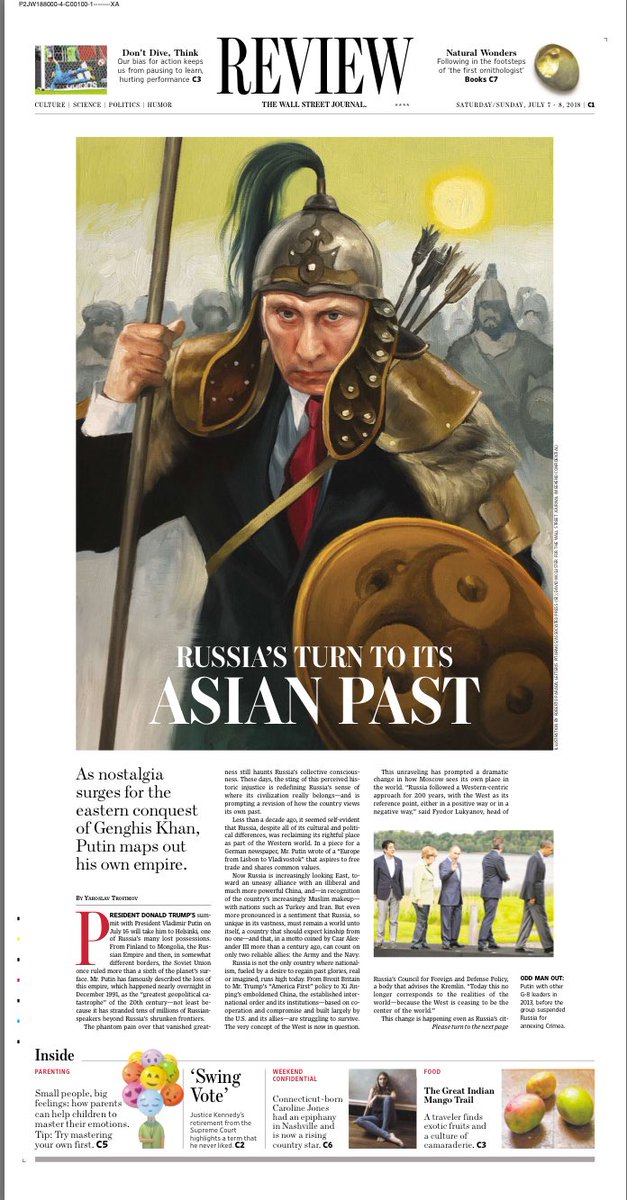
The origin of 🇷🇺Moscovy lies in the bloody degradation of Mongolian slavery...
🇷🇺 "semi-Asiatic" menace to "Europe" and "civilization ...
the 🇷🇺 Muscovites. They are not Slavs; they do not belong to the Indo-Germanic race at all, they are des intrus [intruders], who must be chased back across the Dnieper,


Karl Marx (1856–57/1873)


DhfsRJXVQAAMZeX.jpg
 
Merz is a clear win for the West and Ukraine! Germany stands against THE MOSCOW 🇷🇺 🇸🇦 IMPERIALISM influence and fascism.

 
Last edited:
Russians (30%) and Finns (61%) do have Asiatic N1c ancestry from Paleolithic East Asia. This Mongoloid phenotype is especially common in Baltic countries such as Estonia (34%), Latvia (38%), and Lithuania (42%), where they have common Uralic ancestry that is also detected in the Koreans and the Japanese with low frequency.

View attachment 1082385

  • If haplogroup N1c, found mainly among Uralic speakers today, did originated in the Manchurian Neolithic, together with other subclades of haplogroup N, it would explain that Uralic languages are related to Altaic languages like Turkic and Mongolic languages and, more distantly also Korean, Japanese and Ainu, as Y-haplogroup N is indeed the unifying factor between all these populations.
  • Some linguists have argued that Korean, Japanese and Ainu are language isolates, as they only vaguely resemble other Altaic languages. Tellingly, these populations also have the lowest percentages of Y-haplogroup N - only 3% for the Koreans and 2% for the Japanese, as opposed to 10 to 25% for the Mongols and Buryats, and frequencies between 30% and 90% for most Turkic-speaking Siberians.


:lol:
 

From Berlin to Moscow With Love :lol:


New Topics

Back
Top Bottom