* House and Senate panels investigating Russian interference in the 2016 elections have invited Facebook, along with Google and Twitter, to testify this fall. Facebook just agreed to give congressional investigators 3,000 political ads purchased by Russian-backed entities, and announced new disclosure policies for political advertising
* Facebook belatedly acknowledged its role purveying false news to its users during the 2016 campaign and announced new measures to curb it. Founder and CEO Mark Zuckerberg even apologized, more than 10 months after the fact, for calling the idea that Facebook might have influenced the election “pretty crazy.”
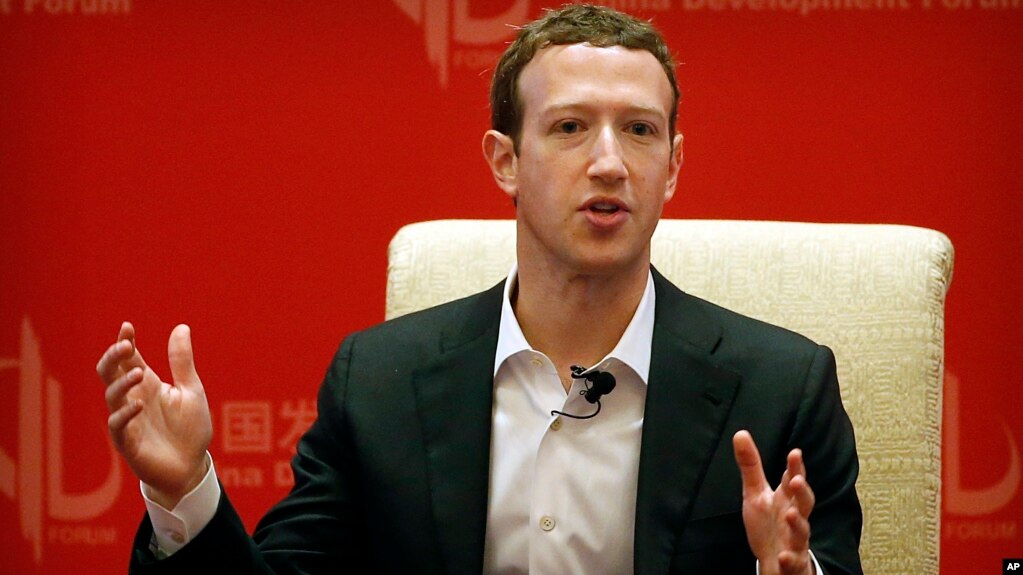
Facebook CEO Mark Zuckerberg speaks during a panel discussion in Beijing, March 19, 2016. The world’s biggest social network is starting to face the consequences of not preventing the often unforeseen problems that keep cropping up on its platform, from false news to real ads from agents of the Russian government looking to influence the U.S. election.
* The company has taken flack for a live video feature that was quickly used to broadcast violent crime and suicides; for removing an iconic Vietnam War photo for “child pornography” and then backtracking; and for allegedly putting its thumb on a feature that ranked trending news stories.
Facebook is behind the curve in understanding that “what happens in their system has profound consequences in the real world,” said Fordham University media-studies professor Paul Levinson. The company’s knee-jerk response has often been “none of your business” when confronted about these consequences, he said.
Moving fast, still breaking things