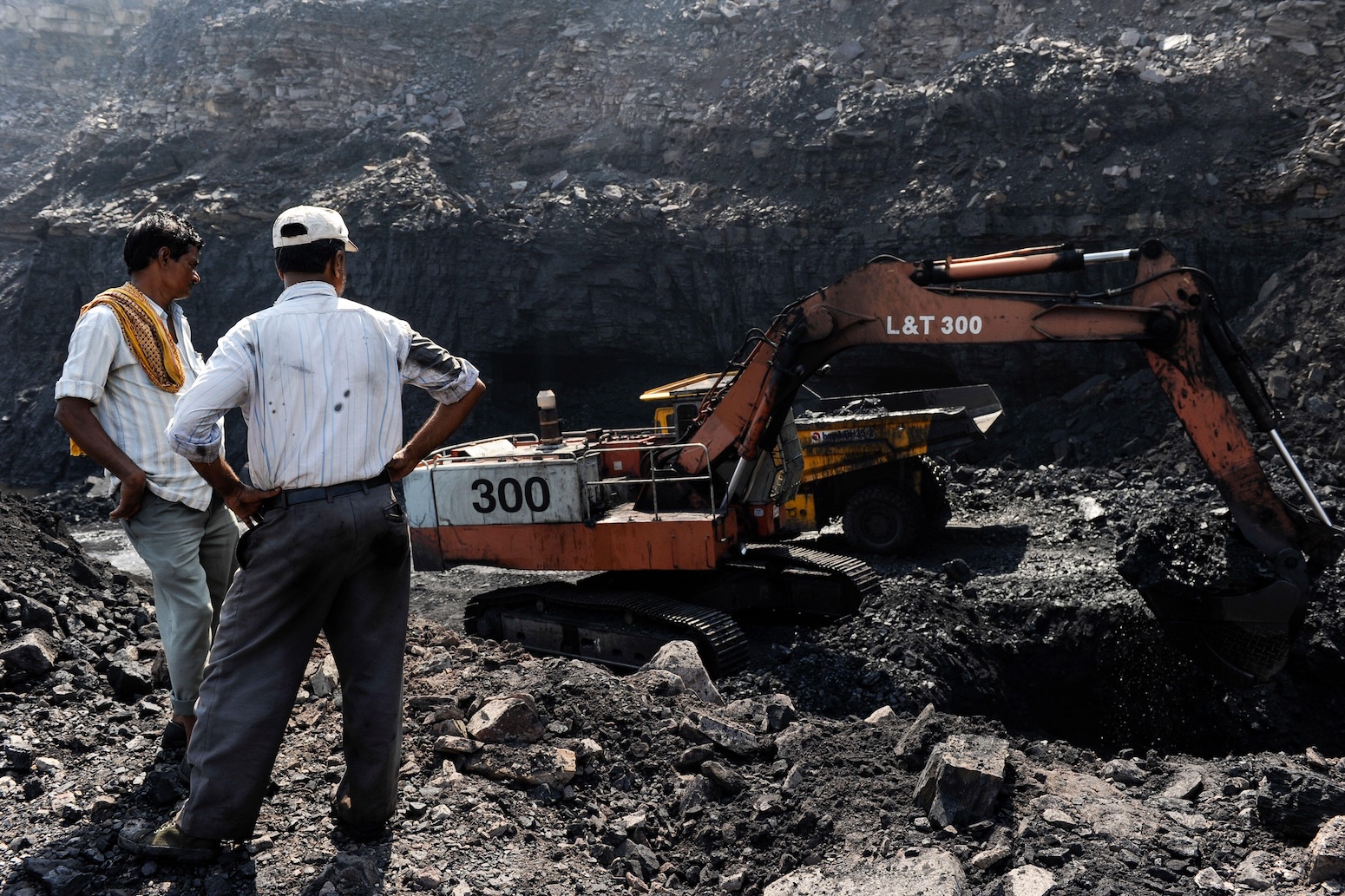
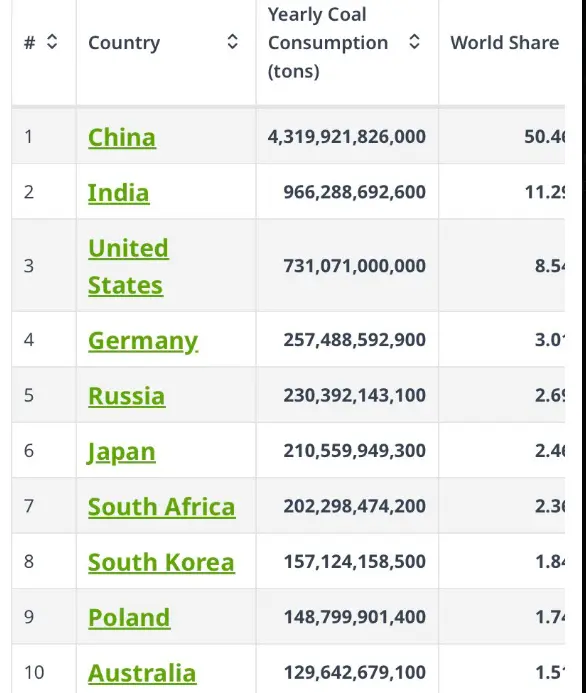
China more than half of the worlds use of coal. Yet, they convinced the dumb Western leaders to destroy their own economies.

shockedcanadian

Diamond Member
Joined
Aug 6, 2012
Messages
44,386
Reaction score
43,444
Points
3,605
One has to observe in awe the effectiveness of the MSS to have Europe in particular to destroy their energy markets while they poison the world with E.U originated companies.

Good work by the MSS, well done. I dont blame you, I blame weak, corrupt, treasonous politicians.

1768498186961.webp
 
One has to observe in awe the effectiveness of the MSS to have Europe in particular to destroy their energy markets while they poison the world with E.U originated companies.

Good work by the MSS, well done. I dont blame you, I blame weak, corrupt, treasonous politicians.

View attachment 1206372

Do you have any examples about how China convinced the west to destroy their economy?

Do you have any examples of western economies that were destroyed by China?
 
Do you have any examples about how China convinced the west to destroy their economy?

Do you have any examples of western economies that were destroyed by China?
Yes. I am not inclined to do this work for you. Look at Germany in particular lead by Merkel. Only a compromised tool would destroy their best assets and mothball green nuclear power.

A bunch of G-damn traitors as far as I am concerned.

As it were I refuse to do this searching for you. Just being in the Paris Accord has been a multi-billion dollar gift to the second largest economy in the world. The West are subsidizing Chinas pollution/ How in the actual F does this work?
 
China is the leader in renewables and is converting from coal.


It is foolish to think fossil fuels are the future and that renewables are a scam. China is leading the way to the future while we are sitting on our asses.
 
Last edited:
Yes. I am not inclined to do this work for you. Look at Germany in particular lead by Merkel. Only a compromised tool would destroy their best assets and mothball green nuclear power.

A bunch of G-damn traitors as far as I am concerned.

As it were I refuse to do this searching for you. Just being in the Paris Accord has been a multi-billion dollar gift to the second largest economy in the world. The West are subsidizing Chinas pollution/ How in the actual F does this work?

You made the accusation so yeah, it's up to you to back it up.
 
I refuse to back it up and thats my right. I wont dignify your denial further with any details. You insult me in some passive-aggressive manner, a man of my character at that.

Great.......we can just dismiss the accusations.
 
Great.......we can just dismiss the accusations.
I'm more inclined to say we should have been careful for what we wished for.

The assertion that China has "ruined" Western economies is a subject of intense debate among economists and policymakers, with complex arguments on both sides. While China's economic practices have had significant, often negative, impacts on specific Western industries and communities, many economists argue that the broader Western economies remain resilient, driven by innovation and services.

Arguments that China's Rise has Harmed Western Economies
Proponents of this view point to a range of practices and outcomes that have challenged Western economic dominance and hurt specific sectors:
  • Job Losses in Manufacturing: A significant increase in Chinese imports after its 2001 entry into the World Trade Organization (WTO) led to what is often called the "China Shock," which resulted in the loss of millions of manufacturing jobs in Western countries, particularly the United States.
  • Unfair Trade Practices: Western countries have often accused China of engaging in unfair economic practices, including the theft of intellectual property, currency manipulation, and heavily subsidizing its industries (such as steel and aluminum) to flood global markets and undermine foreign competitors.
  • Economic Aggression: Some critics argue that China's use of its economic clout, opaque lending processes (e.g., through the Belt and Road Initiative, or BRI), and control over critical resources like rare earths amount to a form of "economic aggression" that can destabilize developing countries and create problems for international institutions.
  • National Security Concerns: China's state-directed economic policies, aimed at achieving techno-industrial superpower status, are seen by some as a direct challenge to the American-led global order and its security implications.

Arguments that Western Economies Remain Resilient
Opponents of the "ruined" narrative emphasize the following points:
  • Economic Interdependence: The U.S. and China have a massive, interdependent trade relationship, with hundreds of billions of dollars in annual trade. China also holds a significant amount of U.S. debt, which some argue gives it a vested interest in America's prosperity, not its ruin.
  • Focus on High-Value Sectors: While China has dominated low-cost manufacturing, Western economies have shifted their focus to high-value services, innovation, and advanced technology, which often generate higher profit margins and drive overall economic growth.
  • Western Failures and Insecurities: Some analysts argue that a portion of the "anti-China" sentiment is a reflection of Western anxieties over their own domestic economic failures, such as deindustrialization and growing inequality, rather than purely external factors.
  • China's Internal Challenges: China faces significant internal economic challenges, including a property crisis, high debt levels, and a more authoritarian political environment that has made both consumers and businesses more cautious about spending, which could limit its future global economic impact.
In conclusion, the situation is complex. China's rapid rise has undeniably reshaped the global economic landscape, presenting formidable challenges to Western industries. However, Western economies, as a whole, have adapted and continue to be powerful, innovative forces in the world economy.
 
I'm more inclined to say we should have been careful for what we wished for.

The assertion that China has "ruined" Western economies is a subject of intense debate among economists and policymakers, with complex arguments on both sides. While China's economic practices have had significant, often negative, impacts on specific Western industries and communities, many economists argue that the broader Western economies remain resilient, driven by innovation and services.

Arguments that China's Rise has Harmed Western Economies
Proponents of this view point to a range of practices and outcomes that have challenged Western economic dominance and hurt specific sectors:
  • Job Losses in Manufacturing: A significant increase in Chinese imports after its 2001 entry into the World Trade Organization (WTO) led to what is often called the "China Shock," which resulted in the loss of millions of manufacturing jobs in Western countries, particularly the United States.
  • Unfair Trade Practices: Western countries have often accused China of engaging in unfair economic practices, including the theft of intellectual property, currency manipulation, and heavily subsidizing its industries (such as steel and aluminum) to flood global markets and undermine foreign competitors.
  • Economic Aggression: Some critics argue that China's use of its economic clout, opaque lending processes (e.g., through the Belt and Road Initiative, or BRI), and control over critical resources like rare earths amount to a form of "economic aggression" that can destabilize developing countries and create problems for international institutions.
  • National Security Concerns: China's state-directed economic policies, aimed at achieving techno-industrial superpower status, are seen by some as a direct challenge to the American-led global order and its security implications.

Arguments that Western Economies Remain Resilient
Opponents of the "ruined" narrative emphasize the following points:
  • Economic Interdependence: The U.S. and China have a massive, interdependent trade relationship, with hundreds of billions of dollars in annual trade. China also holds a significant amount of U.S. debt, which some argue gives it a vested interest in America's prosperity, not its ruin.
  • Focus on High-Value Sectors: While China has dominated low-cost manufacturing, Western economies have shifted their focus to high-value services, innovation, and advanced technology, which often generate higher profit margins and drive overall economic growth.
  • Western Failures and Insecurities: Some analysts argue that a portion of the "anti-China" sentiment is a reflection of Western anxieties over their own domestic economic failures, such as deindustrialization and growing inequality, rather than purely external factors.
  • China's Internal Challenges: China faces significant internal economic challenges, including a property crisis, high debt levels, and a more authoritarian political environment that has made both consumers and businesses more cautious about spending, which could limit its future global economic impact.
In conclusion, the situation is complex. China's rapid rise has undeniably reshaped the global economic landscape, presenting formidable challenges to Western industries. However, Western economies, as a whole, have adapted and continue to be powerful, innovative forces in the world economy.
Without American military strength, wed all be learning Mandarin by now. Hell, I was teaching myself it as China is probably more free than what the Creepy Ones in Canada allow...
 
I'm more inclined to say we should have been careful for what we wished for.

The assertion that China has "ruined" Western economies is a subject of intense debate among economists and policymakers, with complex arguments on both sides. While China's economic practices have had significant, often negative, impacts on specific Western industries and communities, many economists argue that the broader Western economies remain resilient, driven by innovation and services.

Arguments that China's Rise has Harmed Western Economies
Proponents of this view point to a range of practices and outcomes that have challenged Western economic dominance and hurt specific sectors:
  • Job Losses in Manufacturing: A significant increase in Chinese imports after its 2001 entry into the World Trade Organization (WTO) led to what is often called the "China Shock," which resulted in the loss of millions of manufacturing jobs in Western countries, particularly the United States.
  • Unfair Trade Practices: Western countries have often accused China of engaging in unfair economic practices, including the theft of intellectual property, currency manipulation, and heavily subsidizing its industries (such as steel and aluminum) to flood global markets and undermine foreign competitors.
  • Economic Aggression: Some critics argue that China's use of its economic clout, opaque lending processes (e.g., through the Belt and Road Initiative, or BRI), and control over critical resources like rare earths amount to a form of "economic aggression" that can destabilize developing countries and create problems for international institutions.
  • National Security Concerns: China's state-directed economic policies, aimed at achieving techno-industrial superpower status, are seen by some as a direct challenge to the American-led global order and its security implications.

Arguments that Western Economies Remain Resilient
Opponents of the "ruined" narrative emphasize the following points:
  • Economic Interdependence: The U.S. and China have a massive, interdependent trade relationship, with hundreds of billions of dollars in annual trade. China also holds a significant amount of U.S. debt, which some argue gives it a vested interest in America's prosperity, not its ruin.
  • Focus on High-Value Sectors: While China has dominated low-cost manufacturing, Western economies have shifted their focus to high-value services, innovation, and advanced technology, which often generate higher profit margins and drive overall economic growth.
  • Western Failures and Insecurities: Some analysts argue that a portion of the "anti-China" sentiment is a reflection of Western anxieties over their own domestic economic failures, such as deindustrialization and growing inequality, rather than purely external factors.
  • China's Internal Challenges: China faces significant internal economic challenges, including a property crisis, high debt levels, and a more authoritarian political environment that has made both consumers and businesses more cautious about spending, which could limit its future global economic impact.
In conclusion, the situation is complex. China's rapid rise has undeniably reshaped the global economic landscape, presenting formidable challenges to Western industries. However, Western economies, as a whole, have adapted and continue to be powerful, innovative forces in the world economy.

Competition sucks?
 
One has to observe in awe the effectiveness of the MSS to have Europe in particular to destroy their energy markets while they poison the world with E.U originated companies.

Good work by the MSS, well done. I dont blame you, I blame weak, corrupt, treasonous politicians.

View attachment 1206372


Good point!

And what is especially sad is the fact that the Global Dimming Effect may well be the major reason as to why sea levels have NOT risen, not only in decades but actually in centuries.

An active volcano and / or the dust and soot from industry, from vehicles and from homes being heated....... fuels the Global Dimming Effect...... that tends to greatly decrease the tendency for the atmosphere to experience warming.

A study was done on the Maldive Islands, if I remember correctly, that proved the thesis that began when a significant increase in temperatures all across the USA jumped when only ONE FACTOR in Global Dimming was greatly reduced, [jet trails after the September 11, 2001 terrorist attack on New York].
 
15th post
Back
Top Bottom