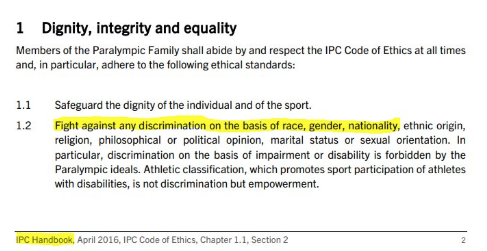
Contrary to the challengers' free speech narrative, these state laws do not actually impact anyone's ability to hold, express or advocate any viewpoint. Instead, they only require businesses seeking government contracts (or investments) to certify they are not engaged in discriminatory boycotts. This is actually milder than many other anti-discrimination laws at the federal, state and local level, which require companies – regardless of their financial relationship with any government – to disregard traits such as religion or national origin in hiring practices and business dealings. The laws in question here, instead of directly regulating conduct, are intended to spare the public from subsidizing companies that act contrary to the collective interest.
The key question that free speech advocates (and the courts) have to answer is whether a boycott of Israel, in its current form, is merely a political viewpoint rather than a form of discrimination. For if such a boycott does nothing but express a political viewpoint, these laws should be struck down. The collective interest is never served by stifling one side of a genuine debate. However, if a boycott represents discrimination against a protected category, it would be on par with any other uncontroversial law safeguarding public funds from being used toward discriminatory ends.
(full article online)
http://www.israelhayom.com/opinions/israel-boycott-ban-is-not-about-free-speech/