Are tariffs to blame for nearly 40% spike in wholesale vegetable prices? Experts weigh in

Zincwarrior

Diamond Member
Joined
Nov 18, 2021
Messages
40,441
Reaction score
24,216
Points
2,488
Location
Central Texas
What it says on the tin. Wholesale vegetables rose 40% in July. Whats the cause?
Are tariffs to blame for nearly 40% spike in wholesale vegetable prices? Experts weigh in​

Wholesale prices soared much faster than economists expected last month, stoking concern among some economists about an eventual pass through to consumer prices.

The fresh government data this week showed an eye-popping 38% surge in the wholesale price of vegetables in July, the biggest price spike for any product category. A continued rise of that magnitude could noticeably hike vegetable prices at restaurants and grocery stores within a matter of months, some analysts told ABC News.

The latest report came as consumers await a possible burst of inflation as President Donald Trump's tariffs take hold. Importers typically offset the tax burden in the form of higher prices for shoppers, though so far tariff-induced price increases have proven marginal.

When asked about whether the jump in vegetable prices had resulted from tariffs, analysts shrugged. Wholesale vegetable prices often fluctuate from month to month, they said, pointing to an array of possible explanations that includes adverse weather, supply chain blockages and tariff-induced cost increases.

"People are really curious about when tariffs are likely to have consequences for consumers. We're all keeping an eye out," Parke Wilde, a food economist at Tufts University, told ABC news. "But I don't want to jump the gun based on one segment of one index."


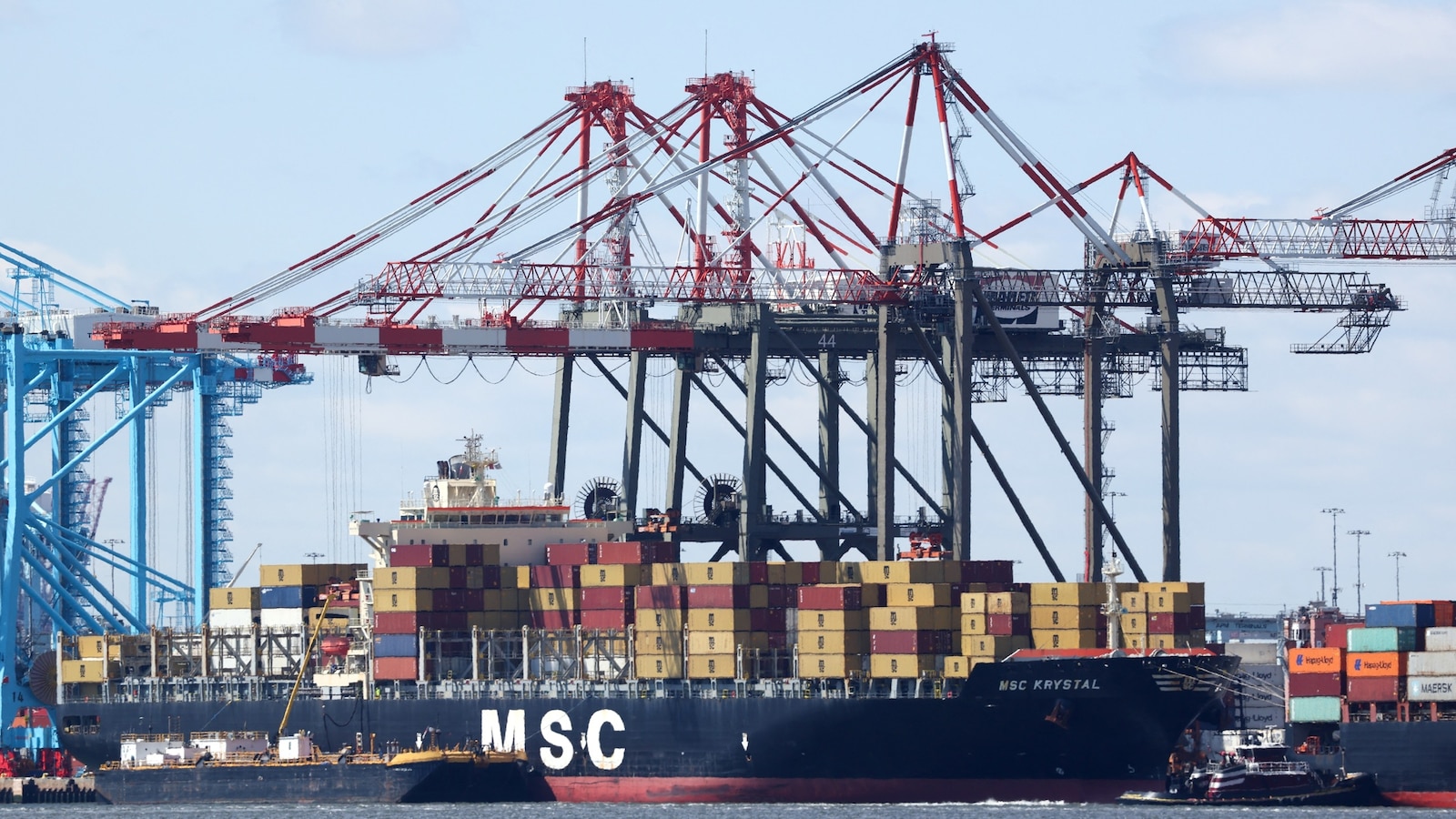
The U.S. imports more than a third of its fresh vegetables, according to U.S. Department of Agriculture data released in January. A product category made up of such a sizable chunk of imports is vulnerable to tariff-induced wholesale price increases, some analysts said.

Importers of perishable foods like vegetables face an especially acute challenge because they cannot stockpile products ahead of tariffs, since the fresh produce would rot. Toy or apparel retailers, by contrast, could fill warehouses with products imported at pre-tariff rates.

"This could be the impact of tariffs," David Ortega, a food economist at Michigan State University, told ABC News. "But it could be a whole host of things."

Sweetgreen, a restaurant chain that primarily sells salads and grain bowls, earlier this month faulted tariffs in part for a 3.6 percentage-point decline in restaurant-level profit over three months ending in June, when compared to the same period a year earlier.

Still, analysts said, the spike in wholesale prices may be the result of factors unrelated to tariffs.
 
What it says on the tin. Wholesale vegetables rose 40% in July. Whats the cause?

Are tariffs to blame for nearly 40% spike in wholesale vegetable prices? Experts weigh in​

Wholesale prices soared much faster than economists expected last month, stoking concern among some economists about an eventual pass through to consumer prices.

The fresh government data this week showed an eye-popping 38% surge in the wholesale price of vegetables in July, the biggest price spike for any product category. A continued rise of that magnitude could noticeably hike vegetable prices at restaurants and grocery stores within a matter of months, some analysts told ABC News.

The latest report came as consumers await a possible burst of inflation as President Donald Trump's tariffs take hold. Importers typically offset the tax burden in the form of higher prices for shoppers, though so far tariff-induced price increases have proven marginal.

When asked about whether the jump in vegetable prices had resulted from tariffs, analysts shrugged. Wholesale vegetable prices often fluctuate from month to month, they said, pointing to an array of possible explanations that includes adverse weather, supply chain blockages and tariff-induced cost increases.

"People are really curious about when tariffs are likely to have consequences for consumers. We're all keeping an eye out," Parke Wilde, a food economist at Tufts University, told ABC news. "But I don't want to jump the gun based on one segment of one index."


The U.S. imports more than a third of its fresh vegetables, according to U.S. Department of Agriculture data released in January. A product category made up of such a sizable chunk of imports is vulnerable to tariff-induced wholesale price increases, some analysts said.

Importers of perishable foods like vegetables face an especially acute challenge because they cannot stockpile products ahead of tariffs, since the fresh produce would rot. Toy or apparel retailers, by contrast, could fill warehouses with products imported at pre-tariff rates.

"This could be the impact of tariffs," David Ortega, a food economist at Michigan State University, told ABC News. "But it could be a whole host of things."

Sweetgreen, a restaurant chain that primarily sells salads and grain bowls, earlier this month faulted tariffs in part for a 3.6 percentage-point decline in restaurant-level profit over three months ending in June, when compared to the same period a year earlier.

Still, analysts said, the spike in wholesale prices may be the result of factors unrelated to tariffs.
"But it could be a whole host of things."
 
Tariffs could be to blame for some of the increases as well as extreme weather events. Of course greed is always present in commercial systems too so I am guessing there are folks who are packing on more profits just because they can.
 
What it says on the tin. Wholesale vegetables rose 40% in July. Whats the cause?

Are tariffs to blame for nearly 40% spike in wholesale vegetable prices? Experts weigh in​

Wholesale prices soared much faster than economists expected last month, stoking concern among some economists about an eventual pass through to consumer prices.

The fresh government data this week showed an eye-popping 38% surge in the wholesale price of vegetables in July, the biggest price spike for any product category. A continued rise of that magnitude could noticeably hike vegetable prices at restaurants and grocery stores within a matter of months, some analysts told ABC News.

The latest report came as consumers await a possible burst of inflation as President Donald Trump's tariffs take hold. Importers typically offset the tax burden in the form of higher prices for shoppers, though so far tariff-induced price increases have proven marginal.

When asked about whether the jump in vegetable prices had resulted from tariffs, analysts shrugged. Wholesale vegetable prices often fluctuate from month to month, they said, pointing to an array of possible explanations that includes adverse weather, supply chain blockages and tariff-induced cost increases.

"People are really curious about when tariffs are likely to have consequences for consumers. We're all keeping an eye out," Parke Wilde, a food economist at Tufts University, told ABC news. "But I don't want to jump the gun based on one segment of one index."


The U.S. imports more than a third of its fresh vegetables, according to U.S. Department of Agriculture data released in January. A product category made up of such a sizable chunk of imports is vulnerable to tariff-induced wholesale price increases, some analysts said.

Importers of perishable foods like vegetables face an especially acute challenge because they cannot stockpile products ahead of tariffs, since the fresh produce would rot. Toy or apparel retailers, by contrast, could fill warehouses with products imported at pre-tariff rates.

"This could be the impact of tariffs," David Ortega, a food economist at Michigan State University, told ABC News. "But it could be a whole host of things."

Sweetgreen, a restaurant chain that primarily sells salads and grain bowls, earlier this month faulted tariffs in part for a 3.6 percentage-point decline in restaurant-level profit over three months ending in June, when compared to the same period a year earlier.

Still, analysts said, the spike in wholesale prices may be the result of factors unrelated to tariffs.
Tariffs may be to blame. Global warming is probably a bigger factor. The harvest has failed over here because of adverse weather.The immigrant shortage may also be a factor. This may be the norm.
 
What it says on the tin. Wholesale vegetables rose 40% in July. Whats the cause?

Are tariffs to blame for nearly 40% spike in wholesale vegetable prices? Experts weigh in​

Wholesale prices soared much faster than economists expected last month, stoking concern among some economists about an eventual pass through to consumer prices.

The fresh government data this week showed an eye-popping 38% surge in the wholesale price of vegetables in July, the biggest price spike for any product category. A continued rise of that magnitude could noticeably hike vegetable prices at restaurants and grocery stores within a matter of months, some analysts told ABC News.

The latest report came as consumers await a possible burst of inflation as President Donald Trump's tariffs take hold. Importers typically offset the tax burden in the form of higher prices for shoppers, though so far tariff-induced price increases have proven marginal.

When asked about whether the jump in vegetable prices had resulted from tariffs, analysts shrugged. Wholesale vegetable prices often fluctuate from month to month, they said, pointing to an array of possible explanations that includes adverse weather, supply chain blockages and tariff-induced cost increases.

"People are really curious about when tariffs are likely to have consequences for consumers. We're all keeping an eye out," Parke Wilde, a food economist at Tufts University, told ABC news. "But I don't want to jump the gun based on one segment of one index."


The U.S. imports more than a third of its fresh vegetables, according to U.S. Department of Agriculture data released in January. A product category made up of such a sizable chunk of imports is vulnerable to tariff-induced wholesale price increases, some analysts said.

Importers of perishable foods like vegetables face an especially acute challenge because they cannot stockpile products ahead of tariffs, since the fresh produce would rot. Toy or apparel retailers, by contrast, could fill warehouses with products imported at pre-tariff rates.

"This could be the impact of tariffs," David Ortega, a food economist at Michigan State University, told ABC News. "But it could be a whole host of things."

Sweetgreen, a restaurant chain that primarily sells salads and grain bowls, earlier this month faulted tariffs in part for a 3.6 percentage-point decline in restaurant-level profit over three months ending in June, when compared to the same period a year earlier.

Still, analysts said, the spike in wholesale prices may be the result of factors unrelated to tariffs.
We have plenty of farmland in America

There is no need to import vegetables

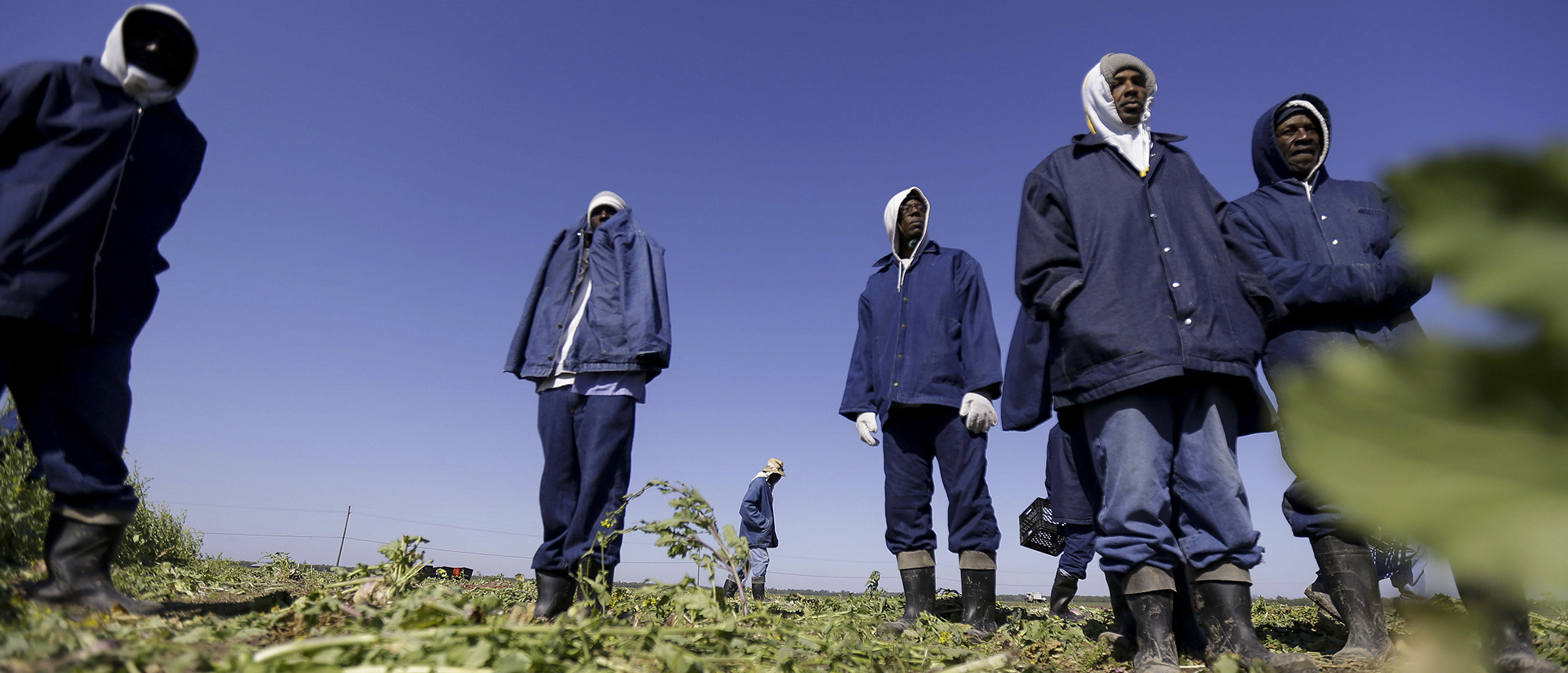
But of course the question then becomes who will pick the vegetables?

That suggested we need a controlled guest worker program for farm labor
 
Instead of using illegal labor for farming, why not use prison labor?
 
15th post
Except for all the ones that don't grow well in the US climate...
What fruits and vegetables don't grow in any US climate? We have pretty much every climate except arctic inside the USA. Tropical- Hawaii and Puerto Rico, Desert- Arizona, New Mexico, Texas, Temperate- East Coast and Mid-West, Swamp- Florida and Louisiana.
 
Back
Top Bottom