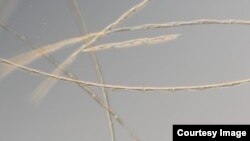
Scientists linked the large patch of warm ocean water, nicknamed the “blob,” to the vast ribbon of toxic algae that flourished last year and produced record-breaking levels of a neurotoxin that is harmful to people, fish and marine life. The outbreak of domoic acid, the largest ever recorded on the west coast of the US, closed razor clam seasons in Washington and Oregon, as well as delaying lucrative Dungeness crab fisheries along the coast. High levels were also detected in many stranded marine mammals. “We’re not surprised now having looked at the data, but our study is the first to demonstrate that linkage,” said Ryan McCabe, lead author and a research scientist at the University of Washington’s Joint Institute for the Study of the Atmosphere and Ocean. “It’s the first question that everyone was asking.”
McCabe and his coauthors explain how the toxic algae bloom thrived in their study published in the journal Geophysical Research Letters. Seasonal algae blooms are common each year along the west coast, but most are not toxic. The scientists found that the algae bloom was dominated by a single species called Pseudo-nitzschia australis that is highly toxic. The algae survived and took advantage of warm, nutrient-poor conditions set up by the patch of water that was warmer at the surface than normal.
Coastal upwelling last spring — a seasonal event that brings nutrient-rich, cooler waters up from the deep ocean — provided nutrients for the algae to bloom into a large population fairly quickly. A series of late spring storms delivered the bloom to the coast. “While temperature isn’t everything, it’s serving as a decent proxy,” McCabe said. “We think there’s a linkage between toxic events along our coast and climate variability indices.” The blob was a one-time event that was not due to global warming, “but we are looking at this event as a potential window into the future as what conditions could look like,” McCabe said.
Kathi Lefebvre, a coauthor and marine biologist at the Northwest Fisheries Science Center, said the bloom resulted in the highest levels of domoic acid contamination in the food chain ever recorded for many species. Domoic acid accumulates in anchovies, sardines and other small fish, as well as shellfish that eat the algae. Marine mammals and fish-eating birds get sick from eating the contaminated fish. In people, it can trigger amnesic shellfish poisoning, which can cause permanent loss of short-term memory in severe cases. “This is an eye-opener for what the future may hold as ocean conditions continue to warm globally,” Lefebvre said.
Warm Pacific ‘blob’ facilitated big toxic algae bloom: study - Taipei Times