White Deaths Exceed Births in a Majority of U.S. States

IM2

Diamond Member
Joined
Mar 11, 2015
Messages
113,093
Reaction score
141,791
Points
3,645
And here we see why MAGA exists and what the driving force is relative to the policies of this administration and the Republican Party.

White Deaths Exceed Births in a Majority of U.S. States

In 2016, more non-Hispanic whites died than were born in twenty-six states; more than at any time in U.S. history. Some 179 million residents or roughly 56 percent of the U.S. population, lived in these 26 states. In contrast, non-Hispanic white (hereafter referred to as white) deaths exceeded births in just four states in 2004and seventeen as recently as 2014. White deaths also exceeded white births in the nation as a whole for the first time in U.S. history in 2016, according to data from the National Center for Health Statistics. When births fail to keep pace with deaths, a region is said to have a "natural decrease" in population, which can only be offset by immigration gains. In seventeen of the twenty-six states with white natural decreases, the white population diminished overall between 2015 and 2016. Our analysis of the demographic factors that cause white natural decrease suggests that more states are likely to experience it in the future.

The growing incidence of this white natural decrease has important implications for the nation's demographic future. America is becoming more racially and ethnically diverse. Most scholarly research on diversity has focused on the influence that growing minority populations have played in fostering such diversity. For example, the substantial surplus of Latino births over deaths, together with past immigration have contributed enormously to the growing diversity of the United States. But other demographic processes are also at work. These include the rising incidence of white natural decrease due to aging and below-replacement fertility among the 61 percent of the population who are white. As we shall see, the accelerating diversity of the U.S. population is a function of this white natural decrease as well as the growth of minority populations.

Over the last several decades, demographers have noted the growing incidence of natural decrease in the United States. More widespread natural decrease results from declining fertility due to the Great Recession, and the aging of the large baby-boom cohorts born between 1946 and 1964. This senior population is projected to expand from 15 percent of the total population in 2016 to nearly 24 percent in 2060. Much of this aging baby boom population is white; so white mortality is growing. Together, growing white mortality and the diminishing number of white births increase the likelihood of more white natural decrease. In contrast, births exceed deaths by a considerable margin among the younger Latino population, and the combination of these very different demographic trends is increasing the diversity of the U.S. population.

Though demographers have noted the growing incidence of natural decrease among the overall population, little attention has been given to its occurrence among racial sub-groups. To address this gap, we use data from the National Center for Health Statistics of the Centers for Disease Control to examine the annual volume of births and deaths among whites from 1999 to 2016 for each state and the District of Columbia. We focus on whites because they represent the largest share of the U.S. population and because their demographic profile increases the likelihood of natural decrease. We find a significant rise in the number of states experiencing white natural decrease in the last few years. Comparing these states to others where white births exceed deaths helps us to understand what combination of demographic changes produce natural decrease. Though white natural decrease is clearly on the rise, only three states have more deaths than births in their total populations. This low incidence of overall natural decrease in U.S. states reflects the growing importance of minority natural increase to overall U.S. demographic trends. In fact, African Americans had natural decline in only one state (West Virginia,-131) in 2016 as did Asians and Pacific Islanders (Hawaii, -906), while Latino births exceeded deaths in every state.

As White Births Diminish, White Deaths Increase

Between 1999 and 2016, the number of white births fell by 10.8 percent to 2,094,000 and the number of white deaths rose by 9.2 percent to 2,133,000. Both these demographic changes contributed to waning levels of natural increase and the onset of white natural decrease (Figure 1). The pace of decline in white births intensified from 2007 to 2016, due in part to the Great Recession's significant impact on U.S. fertility.vi The recession, the greatest shock to the American economic system in nearly two generations, influenced both fertility and lifecycle decisions for many families.

With significantly fewer white births and a rising number of deaths, natural increase (births minus deaths)actually ended in 2016. In that year, for the first time in U.S. history, data from the National Center for Health Statistics showed more white deaths than births in the United States. The white natural loss of 39,000 in 2016compares to a natural gain of 393,000 in 1999. Both the growing number of deaths (up 180,000 between 1999and 2016), and the declining number of births (down 252,000 between 1999 and 2016) contributed to the dwindling white natural increase and more recently to natural decrease. In 2016, whites accounted for 77.7percent of all U.S. deaths, but just 53.1 percent of births.

Demographers use the birth-to-death ratio (BDR) to track the changing relationship between fertility and mortality in a population. For whites, the BDR fell from 1.21 in 2000 to just 0.98 in 2016 (Figure 2). Thus, the number of white births for each white death declined from 1.21 in 2000 to less than 1 in 2016. In contrast, even with recent fertility declines associated with the Great Recession there were 4.9 Latino birth for every Latino death, 3.9 Asian births for every Asian death and 1.7 African American birth for every African American death. This combination of high ratios of births to deaths for the minority population and fewer births than deaths among whites accelerated the diversity of the U.S. population.


Maybe right wing white men should stop whining about discrimination that doesn't exist and obsessing over trans people, then work on romancing your wives and girlfriends so they will want to give you some so you can increase your birthrate.
 
And here we see why MAGA exists and what the driving force is relative to the policies of this administration and the Republican Party.

White Deaths Exceed Births in a Majority of U.S. States

In 2016, more non-Hispanic whites died than were born in twenty-six states; more than at any time in U.S. history. Some 179 million residents or roughly 56 percent of the U.S. population, lived in these 26 states. In contrast, non-Hispanic white (hereafter referred to as white) deaths exceeded births in just four states in 2004and seventeen as recently as 2014. White deaths also exceeded white births in the nation as a whole for the first time in U.S. history in 2016, according to data from the National Center for Health Statistics. When births fail to keep pace with deaths, a region is said to have a "natural decrease" in population, which can only be offset by immigration gains. In seventeen of the twenty-six states with white natural decreases, the white population diminished overall between 2015 and 2016. Our analysis of the demographic factors that cause white natural decrease suggests that more states are likely to experience it in the future.

The growing incidence of this white natural decrease has important implications for the nation's demographic future. America is becoming more racially and ethnically diverse. Most scholarly research on diversity has focused on the influence that growing minority populations have played in fostering such diversity. For example, the substantial surplus of Latino births over deaths, together with past immigration have contributed enormously to the growing diversity of the United States. But other demographic processes are also at work. These include the rising incidence of white natural decrease due to aging and below-replacement fertility among the 61 percent of the population who are white. As we shall see, the accelerating diversity of the U.S. population is a function of this white natural decrease as well as the growth of minority populations.

Over the last several decades, demographers have noted the growing incidence of natural decrease in the United States. More widespread natural decrease results from declining fertility due to the Great Recession, and the aging of the large baby-boom cohorts born between 1946 and 1964. This senior population is projected to expand from 15 percent of the total population in 2016 to nearly 24 percent in 2060. Much of this aging baby boom population is white; so white mortality is growing. Together, growing white mortality and the diminishing number of white births increase the likelihood of more white natural decrease. In contrast, births exceed deaths by a considerable margin among the younger Latino population, and the combination of these very different demographic trends is increasing the diversity of the U.S. population.

Though demographers have noted the growing incidence of natural decrease among the overall population, little attention has been given to its occurrence among racial sub-groups. To address this gap, we use data from the National Center for Health Statistics of the Centers for Disease Control to examine the annual volume of births and deaths among whites from 1999 to 2016 for each state and the District of Columbia. We focus on whites because they represent the largest share of the U.S. population and because their demographic profile increases the likelihood of natural decrease. We find a significant rise in the number of states experiencing white natural decrease in the last few years. Comparing these states to others where white births exceed deaths helps us to understand what combination of demographic changes produce natural decrease. Though white natural decrease is clearly on the rise, only three states have more deaths than births in their total populations. This low incidence of overall natural decrease in U.S. states reflects the growing importance of minority natural increase to overall U.S. demographic trends. In fact, African Americans had natural decline in only one state (West Virginia,-131) in 2016 as did Asians and Pacific Islanders (Hawaii, -906), while Latino births exceeded deaths in every state.

As White Births Diminish, White Deaths Increase

Between 1999 and 2016, the number of white births fell by 10.8 percent to 2,094,000 and the number of white deaths rose by 9.2 percent to 2,133,000. Both these demographic changes contributed to waning levels of natural increase and the onset of white natural decrease (Figure 1). The pace of decline in white births intensified from 2007 to 2016, due in part to the Great Recession's significant impact on U.S. fertility.vi The recession, the greatest shock to the American economic system in nearly two generations, influenced both fertility and lifecycle decisions for many families.

With significantly fewer white births and a rising number of deaths, natural increase (births minus deaths)actually ended in 2016. In that year, for the first time in U.S. history, data from the National Center for Health Statistics showed more white deaths than births in the United States. The white natural loss of 39,000 in 2016compares to a natural gain of 393,000 in 1999. Both the growing number of deaths (up 180,000 between 1999and 2016), and the declining number of births (down 252,000 between 1999 and 2016) contributed to the dwindling white natural increase and more recently to natural decrease. In 2016, whites accounted for 77.7percent of all U.S. deaths, but just 53.1 percent of births.

Demographers use the birth-to-death ratio (BDR) to track the changing relationship between fertility and mortality in a population. For whites, the BDR fell from 1.21 in 2000 to just 0.98 in 2016 (Figure 2). Thus, the number of white births for each white death declined from 1.21 in 2000 to less than 1 in 2016. In contrast, even with recent fertility declines associated with the Great Recession there were 4.9 Latino birth for every Latino death, 3.9 Asian births for every Asian death and 1.7 African American birth for every African American death. This combination of high ratios of births to deaths for the minority population and fewer births than deaths among whites accelerated the diversity of the U.S. population.


Maybe right wing white men should stop whining about discrimination that doesn't exist and obsessing over trans people, then work on romancing your wives and girlfriends so they will want to give you some so you can increase your birthrate.
Blac deaths

Race and ethnicity​

Abortion rates differ across racial and ethnic groups, reflecting systemic inequalities in health care access, income, and contraception access. In 2022, this was the racial and ethnic breakdown of people who received abortions in the U.S.:
In 2024, approximately 1.14 million abortions occurred in the U.S., the highest number in recent years, according to the Society of Family Planning's 42.9% are blacks

  • Black patients: 42.9%
  • White patients: 27.6%
  • Hispanic patients: 21.3%
  • Other racial/ethnic groups: 8.2%
  • In 2023, there were 9,284 Black homicide victims in the United States. In cases where the offender's race was known, approximately 88.9% of Black victims were killed by Black offenders.
Do the math who has a population growth problem.
 
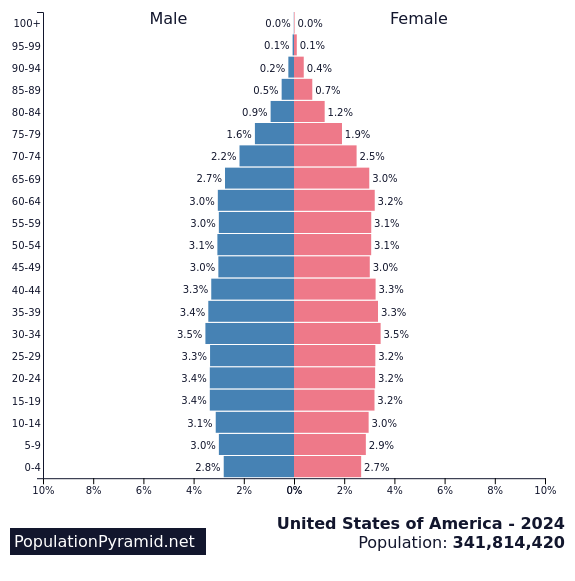
This trend is happening to all sectors of society.

1766264295978.webp

 
And here we see why MAGA exists and what the driving force is relative to the policies of this administration and the Republican Party.

White Deaths Exceed Births in a Majority of U.S. States

In 2016, more non-Hispanic whites died than were born in twenty-six states; more than at any time in U.S. history. Some 179 million residents or roughly 56 percent of the U.S. population, lived in these 26 states. In contrast, non-Hispanic white (hereafter referred to as white) deaths exceeded births in just four states in 2004and seventeen as recently as 2014. White deaths also exceeded white births in the nation as a whole for the first time in U.S. history in 2016, according to data from the National Center for Health Statistics. When births fail to keep pace with deaths, a region is said to have a "natural decrease" in population, which can only be offset by immigration gains. In seventeen of the twenty-six states with white natural decreases, the white population diminished overall between 2015 and 2016. Our analysis of the demographic factors that cause white natural decrease suggests that more states are likely to experience it in the future.

The growing incidence of this white natural decrease has important implications for the nation's demographic future. America is becoming more racially and ethnically diverse. Most scholarly research on diversity has focused on the influence that growing minority populations have played in fostering such diversity. For example, the substantial surplus of Latino births over deaths, together with past immigration have contributed enormously to the growing diversity of the United States. But other demographic processes are also at work. These include the rising incidence of white natural decrease due to aging and below-replacement fertility among the 61 percent of the population who are white. As we shall see, the accelerating diversity of the U.S. population is a function of this white natural decrease as well as the growth of minority populations.

Over the last several decades, demographers have noted the growing incidence of natural decrease in the United States. More widespread natural decrease results from declining fertility due to the Great Recession, and the aging of the large baby-boom cohorts born between 1946 and 1964. This senior population is projected to expand from 15 percent of the total population in 2016 to nearly 24 percent in 2060. Much of this aging baby boom population is white; so white mortality is growing. Together, growing white mortality and the diminishing number of white births increase the likelihood of more white natural decrease. In contrast, births exceed deaths by a considerable margin among the younger Latino population, and the combination of these very different demographic trends is increasing the diversity of the U.S. population.

Though demographers have noted the growing incidence of natural decrease among the overall population, little attention has been given to its occurrence among racial sub-groups. To address this gap, we use data from the National Center for Health Statistics of the Centers for Disease Control to examine the annual volume of births and deaths among whites from 1999 to 2016 for each state and the District of Columbia. We focus on whites because they represent the largest share of the U.S. population and because their demographic profile increases the likelihood of natural decrease. We find a significant rise in the number of states experiencing white natural decrease in the last few years. Comparing these states to others where white births exceed deaths helps us to understand what combination of demographic changes produce natural decrease. Though white natural decrease is clearly on the rise, only three states have more deaths than births in their total populations. This low incidence of overall natural decrease in U.S. states reflects the growing importance of minority natural increase to overall U.S. demographic trends. In fact, African Americans had natural decline in only one state (West Virginia,-131) in 2016 as did Asians and Pacific Islanders (Hawaii, -906), while Latino births exceeded deaths in every state.

As White Births Diminish, White Deaths Increase

Between 1999 and 2016, the number of white births fell by 10.8 percent to 2,094,000 and the number of white deaths rose by 9.2 percent to 2,133,000. Both these demographic changes contributed to waning levels of natural increase and the onset of white natural decrease (Figure 1). The pace of decline in white births intensified from 2007 to 2016, due in part to the Great Recession's significant impact on U.S. fertility.vi The recession, the greatest shock to the American economic system in nearly two generations, influenced both fertility and lifecycle decisions for many families.

With significantly fewer white births and a rising number of deaths, natural increase (births minus deaths)actually ended in 2016. In that year, for the first time in U.S. history, data from the National Center for Health Statistics showed more white deaths than births in the United States. The white natural loss of 39,000 in 2016compares to a natural gain of 393,000 in 1999. Both the growing number of deaths (up 180,000 between 1999and 2016), and the declining number of births (down 252,000 between 1999 and 2016) contributed to the dwindling white natural increase and more recently to natural decrease. In 2016, whites accounted for 77.7percent of all U.S. deaths, but just 53.1 percent of births.

Demographers use the birth-to-death ratio (BDR) to track the changing relationship between fertility and mortality in a population. For whites, the BDR fell from 1.21 in 2000 to just 0.98 in 2016 (Figure 2). Thus, the number of white births for each white death declined from 1.21 in 2000 to less than 1 in 2016. In contrast, even with recent fertility declines associated with the Great Recession there were 4.9 Latino birth for every Latino death, 3.9 Asian births for every Asian death and 1.7 African American birth for every African American death. This combination of high ratios of births to deaths for the minority population and fewer births than deaths among whites accelerated the diversity of the U.S. population.


Maybe right wing white men should stop whining about discrimination that doesn't exist and obsessing over trans people, then work on romancing your wives and girlfriends so they will want to give you some so you can increase your birthrate.
I think western civilization has a birthrate problem. Affordability is a problem.

It has zero to do with your premise.
 
Maybe right wing white men should stop whining about discrimination that doesn't exist and obsessing over trans people, then work on romancing your wives and girlfriends so they will want to give you some so you can increase your birthrate.
Sez IM2 who spends all of his time whining about discrimination that doesn't exist and obsessing on Whites, Jews, Asians, MAGATS, and Black Conservatives. LMAO!!! :laughing0301:
 
CBO Projections are never accurate
Well I agree with that, it is none the less well known among folks that follow this, that populations across the planet are collapsing like they have in Japan.

IIRC, a few nations in Africa and Israel tend to be the exception.

If it weren't for immigration, the U.S. would be no different. This is why the folks that run the show, on both sides of the political spectrum have no real intention of curbing immigration in any meaningful way.


Aug 26, 2025
 
And here we see why MAGA exists and what the driving force is relative to the policies of this administration and the Republican Party.

White Deaths Exceed Births in a Majority of U.S. States

In 2016, more non-Hispanic whites died than were born in twenty-six states; more than at any time in U.S. history. Some 179 million residents or roughly 56 percent of the U.S. population, lived in these 26 states. In contrast, non-Hispanic white (hereafter referred to as white) deaths exceeded births in just four states in 2004and seventeen as recently as 2014. White deaths also exceeded white births in the nation as a whole for the first time in U.S. history in 2016, according to data from the National Center for Health Statistics. When births fail to keep pace with deaths, a region is said to have a "natural decrease" in population, which can only be offset by immigration gains. In seventeen of the twenty-six states with white natural decreases, the white population diminished overall between 2015 and 2016. Our analysis of the demographic factors that cause white natural decrease suggests that more states are likely to experience it in the future.

The growing incidence of this white natural decrease has important implications for the nation's demographic future. America is becoming more racially and ethnically diverse. Most scholarly research on diversity has focused on the influence that growing minority populations have played in fostering such diversity. For example, the substantial surplus of Latino births over deaths, together with past immigration have contributed enormously to the growing diversity of the United States. But other demographic processes are also at work. These include the rising incidence of white natural decrease due to aging and below-replacement fertility among the 61 percent of the population who are white. As we shall see, the accelerating diversity of the U.S. population is a function of this white natural decrease as well as the growth of minority populations.

Over the last several decades, demographers have noted the growing incidence of natural decrease in the United States. More widespread natural decrease results from declining fertility due to the Great Recession, and the aging of the large baby-boom cohorts born between 1946 and 1964. This senior population is projected to expand from 15 percent of the total population in 2016 to nearly 24 percent in 2060. Much of this aging baby boom population is white; so white mortality is growing. Together, growing white mortality and the diminishing number of white births increase the likelihood of more white natural decrease. In contrast, births exceed deaths by a considerable margin among the younger Latino population, and the combination of these very different demographic trends is increasing the diversity of the U.S. population.

Though demographers have noted the growing incidence of natural decrease among the overall population, little attention has been given to its occurrence among racial sub-groups. To address this gap, we use data from the National Center for Health Statistics of the Centers for Disease Control to examine the annual volume of births and deaths among whites from 1999 to 2016 for each state and the District of Columbia. We focus on whites because they represent the largest share of the U.S. population and because their demographic profile increases the likelihood of natural decrease. We find a significant rise in the number of states experiencing white natural decrease in the last few years. Comparing these states to others where white births exceed deaths helps us to understand what combination of demographic changes produce natural decrease. Though white natural decrease is clearly on the rise, only three states have more deaths than births in their total populations. This low incidence of overall natural decrease in U.S. states reflects the growing importance of minority natural increase to overall U.S. demographic trends. In fact, African Americans had natural decline in only one state (West Virginia,-131) in 2016 as did Asians and Pacific Islanders (Hawaii, -906), while Latino births exceeded deaths in every state.

As White Births Diminish, White Deaths Increase

Between 1999 and 2016, the number of white births fell by 10.8 percent to 2,094,000 and the number of white deaths rose by 9.2 percent to 2,133,000. Both these demographic changes contributed to waning levels of natural increase and the onset of white natural decrease (Figure 1). The pace of decline in white births intensified from 2007 to 2016, due in part to the Great Recession's significant impact on U.S. fertility.vi The recession, the greatest shock to the American economic system in nearly two generations, influenced both fertility and lifecycle decisions for many families.

With significantly fewer white births and a rising number of deaths, natural increase (births minus deaths)actually ended in 2016. In that year, for the first time in U.S. history, data from the National Center for Health Statistics showed more white deaths than births in the United States. The white natural loss of 39,000 in 2016compares to a natural gain of 393,000 in 1999. Both the growing number of deaths (up 180,000 between 1999and 2016), and the declining number of births (down 252,000 between 1999 and 2016) contributed to the dwindling white natural increase and more recently to natural decrease. In 2016, whites accounted for 77.7percent of all U.S. deaths, but just 53.1 percent of births.

Demographers use the birth-to-death ratio (BDR) to track the changing relationship between fertility and mortality in a population. For whites, the BDR fell from 1.21 in 2000 to just 0.98 in 2016 (Figure 2). Thus, the number of white births for each white death declined from 1.21 in 2000 to less than 1 in 2016. In contrast, even with recent fertility declines associated with the Great Recession there were 4.9 Latino birth for every Latino death, 3.9 Asian births for every Asian death and 1.7 African American birth for every African American death. This combination of high ratios of births to deaths for the minority population and fewer births than deaths among whites accelerated the diversity of the U.S. population.


Maybe right wing white men should stop whining about discrimination that doesn't exist and obsessing over trans people, then work on romancing your wives and girlfriends so they will want to give you some so you can increase your birthrate.
No one cares about your spin. Numerous people have said you are a white man.

Here’s an important fact for you. Christianity is growing in Africa. There are hundreds of millions of African Christians. Who believe in traditional values. Who love Jesus right alongside their white Christian brothers in America and in Europe. And that’s something that is above whatever type of race baiting people spew every day.
 
Well I agree with that, it is none the less well known among folks that follow this, that populations across the planet are collapsing like they have in Japan.

IIRC, a few nations in Africa and Israel tend to be the exception.

If it weren't for immigration, the U.S. would be no different. This is why the folks that run the show, on both sides of the political spectrum have no real intention of curbing immigration in any meaningful way.


Aug 26, 2025

3 million illegals have been deported this year. Thats meaningful
 
This is not news. White births have been declining since the Great Recession.
So of course, white deaths will eventually outstrip white births.

 
And here we see why MAGA exists and what the driving force is relative to the policies of this administration and the Republican Party.

White Deaths Exceed Births in a Majority of U.S. States

In 2016, more non-Hispanic whites died than were born in twenty-six states; more than at any time in U.S. history. Some 179 million residents or roughly 56 percent of the U.S. population, lived in these 26 states. In contrast, non-Hispanic white (hereafter referred to as white) deaths exceeded births in just four states in 2004and seventeen as recently as 2014. White deaths also exceeded white births in the nation as a whole for the first time in U.S. history in 2016, according to data from the National Center for Health Statistics. When births fail to keep pace with deaths, a region is said to have a "natural decrease" in population, which can only be offset by immigration gains. In seventeen of the twenty-six states with white natural decreases, the white population diminished overall between 2015 and 2016. Our analysis of the demographic factors that cause white natural decrease suggests that more states are likely to experience it in the future.

The growing incidence of this white natural decrease has important implications for the nation's demographic future. America is becoming more racially and ethnically diverse. Most scholarly research on diversity has focused on the influence that growing minority populations have played in fostering such diversity. For example, the substantial surplus of Latino births over deaths, together with past immigration have contributed enormously to the growing diversity of the United States. But other demographic processes are also at work. These include the rising incidence of white natural decrease due to aging and below-replacement fertility among the 61 percent of the population who are white. As we shall see, the accelerating diversity of the U.S. population is a function of this white natural decrease as well as the growth of minority populations.

Over the last several decades, demographers have noted the growing incidence of natural decrease in the United States. More widespread natural decrease results from declining fertility due to the Great Recession, and the aging of the large baby-boom cohorts born between 1946 and 1964. This senior population is projected to expand from 15 percent of the total population in 2016 to nearly 24 percent in 2060. Much of this aging baby boom population is white; so white mortality is growing. Together, growing white mortality and the diminishing number of white births increase the likelihood of more white natural decrease. In contrast, births exceed deaths by a considerable margin among the younger Latino population, and the combination of these very different demographic trends is increasing the diversity of the U.S. population.

Though demographers have noted the growing incidence of natural decrease among the overall population, little attention has been given to its occurrence among racial sub-groups. To address this gap, we use data from the National Center for Health Statistics of the Centers for Disease Control to examine the annual volume of births and deaths among whites from 1999 to 2016 for each state and the District of Columbia. We focus on whites because they represent the largest share of the U.S. population and because their demographic profile increases the likelihood of natural decrease. We find a significant rise in the number of states experiencing white natural decrease in the last few years. Comparing these states to others where white births exceed deaths helps us to understand what combination of demographic changes produce natural decrease. Though white natural decrease is clearly on the rise, only three states have more deaths than births in their total populations. This low incidence of overall natural decrease in U.S. states reflects the growing importance of minority natural increase to overall U.S. demographic trends. In fact, African Americans had natural decline in only one state (West Virginia,-131) in 2016 as did Asians and Pacific Islanders (Hawaii, -906), while Latino births exceeded deaths in every state.

As White Births Diminish, White Deaths Increase

Between 1999 and 2016, the number of white births fell by 10.8 percent to 2,094,000 and the number of white deaths rose by 9.2 percent to 2,133,000. Both these demographic changes contributed to waning levels of natural increase and the onset of white natural decrease (Figure 1). The pace of decline in white births intensified from 2007 to 2016, due in part to the Great Recession's significant impact on U.S. fertility.vi The recession, the greatest shock to the American economic system in nearly two generations, influenced both fertility and lifecycle decisions for many families.

With significantly fewer white births and a rising number of deaths, natural increase (births minus deaths)actually ended in 2016. In that year, for the first time in U.S. history, data from the National Center for Health Statistics showed more white deaths than births in the United States. The white natural loss of 39,000 in 2016compares to a natural gain of 393,000 in 1999. Both the growing number of deaths (up 180,000 between 1999and 2016), and the declining number of births (down 252,000 between 1999 and 2016) contributed to the dwindling white natural increase and more recently to natural decrease. In 2016, whites accounted for 77.7percent of all U.S. deaths, but just 53.1 percent of births.

Demographers use the birth-to-death ratio (BDR) to track the changing relationship between fertility and mortality in a population. For whites, the BDR fell from 1.21 in 2000 to just 0.98 in 2016 (Figure 2). Thus, the number of white births for each white death declined from 1.21 in 2000 to less than 1 in 2016. In contrast, even with recent fertility declines associated with the Great Recession there were 4.9 Latino birth for every Latino death, 3.9 Asian births for every Asian death and 1.7 African American birth for every African American death. This combination of high ratios of births to deaths for the minority population and fewer births than deaths among whites accelerated the diversity of the U.S. population.


Maybe right wing white men should stop whining about discrimination that doesn't exist and obsessing over trans people, then work on romancing your wives and girlfriends so they will want to give you some so you can increase your birthrate.
Have you seen the way white men act here? No surprise
 
This trend is happening to all sectors of society.

View attachment 1195993
<~~~~~~>
Perhaps if people more fresh foods, other than chuck full of preservatives men and women might be able procreate more?

Read more:
xxxxxxxxxx​
 
I think western civilization has a birthrate problem. Affordability is a problem.

It has zero to do with your premise.
It not my premise young child. It is the facts shown by data. Western Civilization doesn't have the problem. AsIans, blacks, and Hispanics in America are part of western civilization and don't have this problem.
 
15th post
It not my premise young child. It is the facts shown by data. Western Civilization doesn't have the problem. AsIans, blacks, and Hispanics in America are part of western civilization and don't have this problem.
Begging your pardon, but Asians, Blacks, and Hispanics are part of Western civilization.
 
It not my premise young child. It is the facts shown by data. Western Civilization doesn't have the problem. AsIans, blacks, and Hispanics in America are part of western civilization and don't have this problem.
Wrong.
 
Back
Top Bottom