
excalibur
Diamond Member
- Mar 19, 2015
- 28,544
- 57,715
- 2,290
Good.
More self-deportation is great. Already a million have self-deported, and that doesn't include their family members, so at least 2 million have left.
More are sure to follow.
The Department of Homeland Security (DHS) and the Department of Justice announced a new joint federal rule that streamlines the process of issuing fines for illegal immigrants, making it easier and more efficient, DHS said in a June 27 statement.
“The current process requires giving illegal aliens 30 days’ notice of the intent to fine them before a fine is issued,” said the statement. The new rule will “eliminate the 30-day notice period, authorize DHS immigration officers to send fines to illegal aliens by regular mail, and shorten the process that applies if illegal aliens contest their fines.”
According to the DHS, the new fining process applies to foreigners who have entered the United States illegally, who delay their removal from the country or ignore such orders, and who do not adhere to agreements to comply with voluntary departure orders issued by judges.
For every unlawful entry or attempted entry, a fine of $100 to $500 shall be charged. Failure to comply with a removal order attracts a fine of up to $998 per day, while refusal to honor a voluntary departure order triggers a fine of $1,992 to $9,970.
DHS said such fines were initially issued under President Donald Trump’s first term but were stopped after President Joe Biden took office.
...
 www.theepochtimes.com
More self-deportation is great. Already a million have self-deported, and that doesn't include their family members, so at least 2 million have left.
More are sure to follow.
The Department of Homeland Security (DHS) and the Department of Justice announced a new joint federal rule that streamlines the process of issuing fines for illegal immigrants, making it easier and more efficient, DHS said in a June 27 statement.
“The current process requires giving illegal aliens 30 days’ notice of the intent to fine them before a fine is issued,” said the statement. The new rule will “eliminate the 30-day notice period, authorize DHS immigration officers to send fines to illegal aliens by regular mail, and shorten the process that applies if illegal aliens contest their fines.”
According to the DHS, the new fining process applies to foreigners who have entered the United States illegally, who delay their removal from the country or ignore such orders, and who do not adhere to agreements to comply with voluntary departure orders issued by judges.
For every unlawful entry or attempted entry, a fine of $100 to $500 shall be charged. Failure to comply with a removal order attracts a fine of up to $998 per day, while refusal to honor a voluntary departure order triggers a fine of $1,992 to $9,970.
DHS said such fines were initially issued under President Donald Trump’s first term but were stopped after President Joe Biden took office.
...
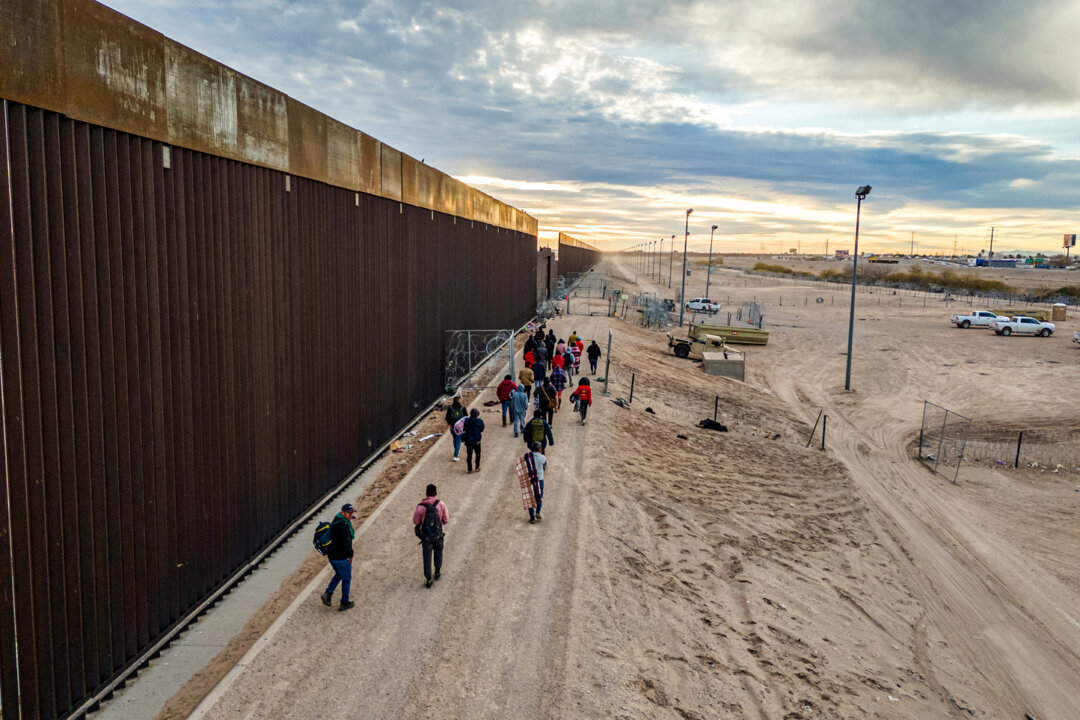
US Streamlines Rule for Fining Illegal Immigrants, Will Issue Nearly $1,000 Daily Fines for Noncompliance
The agencies will apply greater pressure on illegal immigrants for them to self-deport from the country.
www.theepochtimes.com


 Recent Deportation Figures
 Context Matters


