excalibur
Diamond Member
- Mar 19, 2015
- 28,371
- 57,349
- 2,290
More good economic news.
Unless the ChiComms inflict another virus on the world, 2026 could be a fabulous year for the economy.
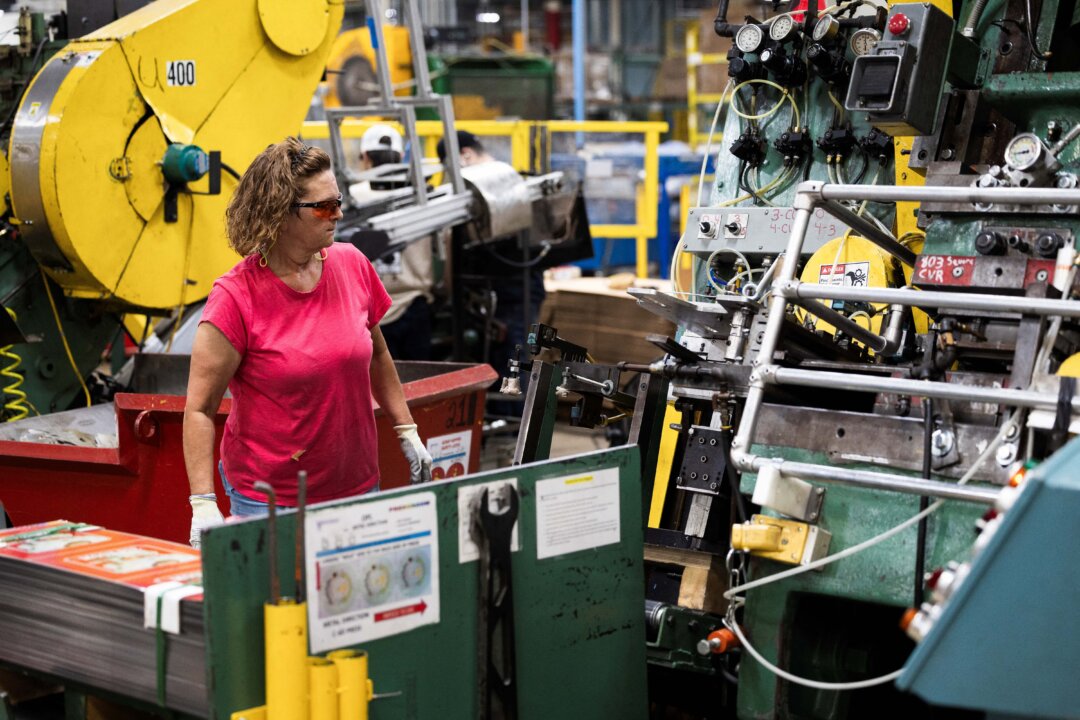
 www.theepochtimes.com
Unless the ChiComms inflict another virus on the world, 2026 could be a fabulous year for the economy.
U.S. industrial production rose in January by the most in nearly a year, and orders for key business equipment increased more than expected in December 2025, pointing to firm capital spending and signs of a pickup in domestic manufacturing.
Industrial production increased by 0.7 percent in January after rising by 0.2 percent in December, according to the Federal Reserve’s G.17 report released on Feb. 18. This is a significant improvement compared with the lackluster performance over the past six months, which included numbers as low as a 0.4 percent contraction in industrial production in October.
Manufacturing output, which accounts for roughly three-quarters of total production, advanced by 0.6 percent, the largest gain since February 2025. Gains were widespread across industry groups, suggesting a broad-based lift in production.
Durable manufacturing output surged by 0.8 percent, including gains in nearly all industries, such as motor vehicles and parts, which rose for the first time in five months.
...
The factory output jump aligns with recent survey-based reports from the Institute of Supply Management and S&P Global, which showed January production at U.S. factories growing at its fastest pace since mid-2022, following months of mixed readings marked by weak growth or bouts of contraction.
All major market groups had output gains in January; consumer goods production was up by 0.7 percent, and business equipment rose by 0.9 percent.
Capacity utilization for total industry rose to 76.2 percent in January, up from 75.7 percent in December, although still below its long-run average.
Separate data from the Commerce Department’s Census Bureau, released on Feb. 18, showed that orders for nondefense capital goods excluding aircraft—a closely watched proxy for business equipment spending—rose by 0.6 percent in December, above economists’ expectations for a 0.4 percent increase. November’s gain was revised up to 0.8 percent.
Shipments of these so-called core capital goods jumped by 0.9 percent in December after rising by 0.2 percent in November, suggesting solid equipment investment heading into the end of the year. Core capital goods shipments feed directly into the equipment component of gross domestic product.
...
Industrial production increased by 0.7 percent in January after rising by 0.2 percent in December, according to the Federal Reserve’s G.17 report released on Feb. 18. This is a significant improvement compared with the lackluster performance over the past six months, which included numbers as low as a 0.4 percent contraction in industrial production in October.
Manufacturing output, which accounts for roughly three-quarters of total production, advanced by 0.6 percent, the largest gain since February 2025. Gains were widespread across industry groups, suggesting a broad-based lift in production.
Durable manufacturing output surged by 0.8 percent, including gains in nearly all industries, such as motor vehicles and parts, which rose for the first time in five months.
...
The factory output jump aligns with recent survey-based reports from the Institute of Supply Management and S&P Global, which showed January production at U.S. factories growing at its fastest pace since mid-2022, following months of mixed readings marked by weak growth or bouts of contraction.
All major market groups had output gains in January; consumer goods production was up by 0.7 percent, and business equipment rose by 0.9 percent.
Capacity utilization for total industry rose to 76.2 percent in January, up from 75.7 percent in December, although still below its long-run average.
Separate data from the Commerce Department’s Census Bureau, released on Feb. 18, showed that orders for nondefense capital goods excluding aircraft—a closely watched proxy for business equipment spending—rose by 0.6 percent in December, above economists’ expectations for a 0.4 percent increase. November’s gain was revised up to 0.8 percent.
Shipments of these so-called core capital goods jumped by 0.9 percent in December after rising by 0.2 percent in November, suggesting solid equipment investment heading into the end of the year. Core capital goods shipments feed directly into the equipment component of gross domestic product.
...
US Factory Output Jumps, Core Capital Goods Orders Signal Solid Business Investment
Stronger manufacturing production and rising equipment orders point to a tentative rebound in U.S. industrial activity.
www.theepochtimes.com