
excalibur
Diamond Member
- Mar 19, 2015
- 28,548
- 57,736
- 2,290
The second time in less than a week this has happened, the last in a different court.
See here.
It is time.
 www.theblaze.com
See here.
It is time.
...
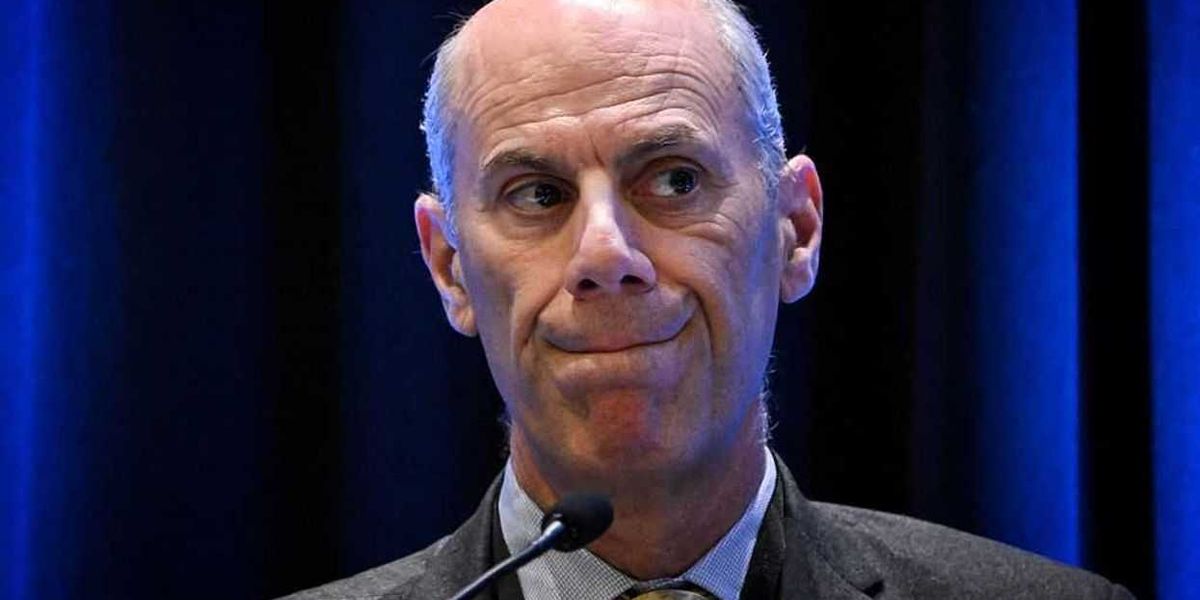
In December, Boasberg — an Obama-appointed judge who initially tried to stop the deportations and previously helped the Biden FBI spy on Republican lawmakers' phone records — certified the Venezuelan deportees as a class and ordered the administration to offer them legal relief abroad.
DOJ punches back
DOJ lawyers noted in a filing last week that Boasberg's demands were unworkable.
For starters, the government lawyers pointed out that remote hearings for all of the suspected Venezuelan gangsters would "present insuperable legal bars and substantial practical problems that together render this an untenable and unacceptable proposal."
Besides there being "no legal basis for holding remote habeas hearings without custody," the lawyers noted that the U.S. "cannot enforce perjury or other procedural rules in Venezuela, or even verify the identity of the witnesses." Additionally there would be no way of ensuring that sensitive or classified information implicated in the proceedings could be protected over "potentially unsecure lines in foreign settings."
In light of these and other problems with remote hearings, the lawyers noted that "the only jurisdictionally proper means of permitting new habeas proceedings would be for aliens to return to United States custody."
Bringing the Venezuelans back for proceedings, however, "presents grave national security and foreign policy impediments" — not least because the deportees "have been determined to be members of a foreign terrorist organization" and may lack passports or identity documents.
The lawyers suggested that taking the Venezuelans back into custody would require "diplomacy with top leaders in the Delcy Rodriguez interim regime or foreign sovereigns in third countries and thus raise separation of powers issues."
Satisfying Boasberg's order would threaten "material damage to U.S. foreign policy interests in Venezuela" as it would inject an "extremely complicated issue into what is already a delicate situation, potentially negatively affecting U.S. efforts toward stabilization and transition that aim to benefit tens of millions of Venezuelans," added the lawyers.
The DOJ effectively concluded by telling Boasberg to pound sand: "If, over Defendants' vehement legal and practical objections, the Court issues an injunction, Defendants intend to immediately appeal."
In December, Boasberg — an Obama-appointed judge who initially tried to stop the deportations and previously helped the Biden FBI spy on Republican lawmakers' phone records — certified the Venezuelan deportees as a class and ordered the administration to offer them legal relief abroad.
DOJ punches back
DOJ lawyers noted in a filing last week that Boasberg's demands were unworkable.
For starters, the government lawyers pointed out that remote hearings for all of the suspected Venezuelan gangsters would "present insuperable legal bars and substantial practical problems that together render this an untenable and unacceptable proposal."
Besides there being "no legal basis for holding remote habeas hearings without custody," the lawyers noted that the U.S. "cannot enforce perjury or other procedural rules in Venezuela, or even verify the identity of the witnesses." Additionally there would be no way of ensuring that sensitive or classified information implicated in the proceedings could be protected over "potentially unsecure lines in foreign settings."
In light of these and other problems with remote hearings, the lawyers noted that "the only jurisdictionally proper means of permitting new habeas proceedings would be for aliens to return to United States custody."
Bringing the Venezuelans back for proceedings, however, "presents grave national security and foreign policy impediments" — not least because the deportees "have been determined to be members of a foreign terrorist organization" and may lack passports or identity documents.
The lawyers suggested that taking the Venezuelans back into custody would require "diplomacy with top leaders in the Delcy Rodriguez interim regime or foreign sovereigns in third countries and thus raise separation of powers issues."
Satisfying Boasberg's order would threaten "material damage to U.S. foreign policy interests in Venezuela" as it would inject an "extremely complicated issue into what is already a delicate situation, potentially negatively affecting U.S. efforts toward stabilization and transition that aim to benefit tens of millions of Venezuelans," added the lawyers.
The DOJ effectively concluded by telling Boasberg to pound sand: "If, over Defendants' vehement legal and practical objections, the Court issues an injunction, Defendants intend to immediately appeal."
Trump admin draws line in sand, signals noncompliance with Judge Boasberg's order in Tren de Aragua case | Blaze Media
The legal battle over the deportation of suspected Venezuelan gangsters is likely to heat up this week.
www.theblaze.com


