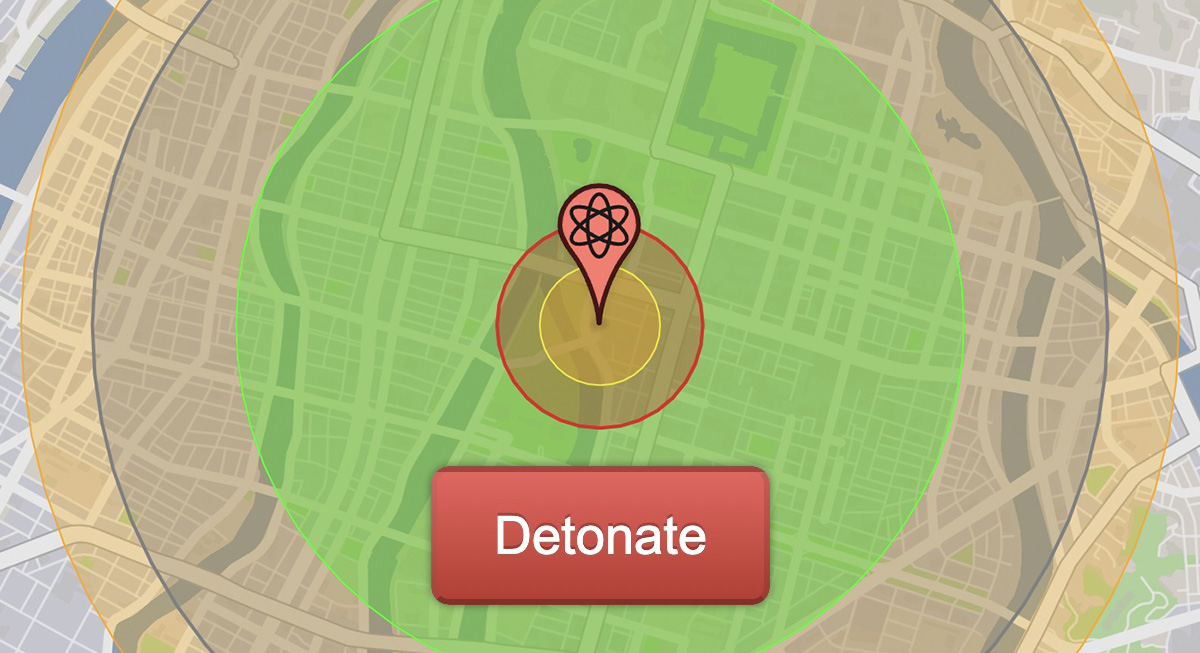
Those who worry about nuclear winter need to understand this massive explosion

Robert W

Don't tread on me. Be kind to our president.
Gold Supporting Member
Joined
Sep 9, 2022
Messages
33,401
Reaction score
17,079
Points
1,788
Location
Redmond Oregon, USA
Yes, Earth was hit with the most massive explosion known to man. But it was not nuclear. Studies of the most massive explosion lagged for many decades. So since nuclear is much smaller, did this vastly larger explosion signal a condition to doom earth?
So when some party tells you of pending doom, keep this true explosion in mind. Your day will be far more peaceful once you get the truth.
As they say, discuss

 
Yes, Earth was hit with the most massive explosion known to man. But it was not nuclear. Studies of the most massive explosion lagged for many decades. So since nuclear is much smaller, did this vastly larger explosion signal a condition to doom earth?
So when some party tells you of pending doom, keep this true explosion in mind. Your day will be far more peaceful once you get the truth.
As they say, discuss


It was vastly stronger than any single nuclear explosion.

In a full blown nuclear war, thousands of nuclear warheads are going to be detonated.

With that said, most of what I’ve read does indeed say that the old theory about nuclear winter coming about as a result of the firestorms caused by nuclear war doesn’t stand up in modern times.

Cites are nowhere near as flammable as they were in WWII.

And most models project that the majority of nuclear warheads aren’t capable of blasting debris/dust all the way into the atmosphere where it would stay for years.

The consensus is now that most of the dust would fall back to earth shortly after the bombs went off.

Of course, since all that dust is radioactive, it still poses a huge threat to life
 
Tsar Bomba.....Making Virginia (maybe MD) red again. ;)

1758553581136.webp


It was vastly stronger than any single nuclear explosion.

In a full blown nuclear war, thousands of nuclear warheads are going to be detonated.

With that said, most of what I’ve read does indeed say that the old theory about nuclear winter coming about as a result of the firestorms caused by nuclear war doesn’t stand up in modern times.

Cites are nowhere near as flammable as they were in WWII.

And most models project that the majority of nuclear warheads aren’t capable of blasting debris/dust all the way into the atmosphere where it would stay for years.

The consensus is now that most of the dust would fall back to earth shortly after the bombs went off.

Of course, since all that dust is radioactive, it still poses a huge threat to life
Remember the dust bowl. It could be that on steroids and that would be very serious. It also wouldnt just happen in one region, there would be regions all over the earth undergoing that.
 
It was vastly stronger than any single nuclear explosion.

In a full blown nuclear war, thousands of nuclear warheads are going to be detonated.

With that said, most of what I’ve read does indeed say that the old theory about nuclear winter coming about as a result of the firestorms caused by nuclear war doesn’t stand up in modern times.

Cites are nowhere near as flammable as they were in WWII.

And most models project that the majority of nuclear warheads aren’t capable of blasting debris/dust all the way into the atmosphere where it would stay for years.

The consensus is now that most of the dust would fall back to earth shortly after the bombs went off.

Of course, since all that dust is radioactive, it still poses a huge threat to life
More powerful than a 1000 nuclear bombs.
 
More powerful than a 1000 nuclear bombs.
Yeah but which ones?

The ones used on Hiroshima and Nagasaki were pretty weak compared to even the ones developed in the 1950s
 
Yeah it was just a really really big explosion that thankfully occurred in an almost uninhabited part of Siberia
 
Back
Top Bottom