New lithium refining processes

Old Rocks

Diamond Member
Joined
Oct 31, 2008
Messages
65,289
Reaction score
11,313
Points
2,040
Location
Portland, Ore.
Acquiring the materials we use in our technologies always involves environmental costs. So technology that reduces those costs is always welcome. And considering that our desire for lithium is a very recent development, the technology involved in it's mining, refining, recycling, and use has much that can be improved. This video discusses some of those technologies;

 
The children that mine your Lithium will be so pleased ...

190115-rdcongo-mine.webp
 
Lithium can be mined in Nevada and Utah ... places where screwing up the environment is a good thing ...

C'mon ... Nevada ... Utah ... anything is better than the desert ... mercury pollution from cement manufacturing there isn't enough ...
 
The children that mine your Lithium will be so pleased ...

View attachment 1130453
Major dumb fuckery. That is mining cobalt. Lithium is either mined in large flat deserts in evaporation ponds, or spodumene in pegmatites. May soon be mined from clays in an old caldera. And there are several lithium batteries that use no cobalt at all.
 
Lithium can be mined in Nevada and Utah ... places where screwing up the environment is a good thing ...

C'mon ... Nevada ... Utah ... anything is better than the desert ... mercury pollution from cement manufacturing there isn't enough ...
If you viewed the video, you would know that the processes they are working on are far less damaging than our present methods of mining lithium. However, even the present methods of obtaining lithium are far less damaging than the present methods of obtaining fossil fuels. And the lithium can be recycled and reused, while fossil fuels cannot.
 
If you viewed the video, you would know that the processes they are working on are far less damaging than our present methods of mining lithium. However, even the present methods of obtaining lithium are far less damaging than the present methods of obtaining fossil fuels. And the lithium can be recycled and reused, while fossil fuels cannot.

Tell us then, Mr. Expert ... how do they mine lithium and and will industry use these "less damaging". methods ...

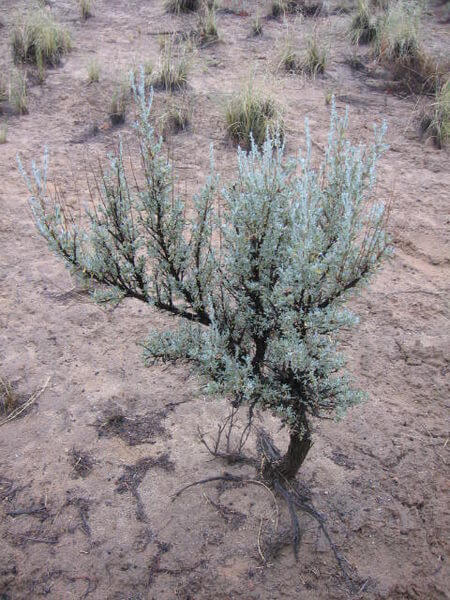
Have you never traveled in Eastern Oregon? ... see all the sage brush? ... that's not native, it's invasive, came with cattle ranching ... will lithium mining bring back the bunchgrass steppes? ... do you even care? ... who cares about saving a ruined environment ...

Here's a good question ... who will write the mining regulations? ... ha ha ha ... here's a hint, they haven't updated these laws since 1890 ... miners will just pay bribes and mine the cheapest way possible ...
 
Tell us then, Mr. Expert ... how do they mine lithium and and will industry use these "less damaging". methods ...

Have you never traveled in Eastern Oregon? ... see all the sage brush? ... that's not native, it's invasive, came with cattle ranching ... will lithium mining bring back the bunchgrass steppes? ... do you even care? ... who cares about saving a ruined environment ...

Here's a good question ... who will write the mining regulations? ... ha ha ha ... here's a hint, they haven't updated these laws since 1890 ... miners will just pay bribes and mine the cheapest way possible ...
Have I traveled Eastern Oregon? LOL Prairie City in the John Day Valley is as close to a hometown as I have. I have traveled the roads that are two ruts with 18" sage brush between them all over Eastern Oregon. And sage brush is a native plant, long used in native medicine;


Bunch grass does not like the same areas as sage. Sage will die if it gets the amount of water that bunch grass likes. You can see real steppe grass areas near the Jordan Craters, and there is little sage there. In the McDermitt Caldera, the sage grows well due to the dry climate.

OK, so you don't like the side effects of mining. However, the side effects of the mining in that area are far, far less than the mountain top removal for coal, or the tar sand mining in Canada. And, once it is used, the coal or oil cannot be used again, whereas the lithium can be recycled again and again.

If the soil is removed and replaced once the mining of the clay layer is done, the sage will come back as it is a very hardy plant that likes the desert.
 
Have I traveled Eastern Oregon? LOL Prairie City in the John Day Valley is as close to a hometown as I have. I have traveled the roads that are two ruts with 18" sage brush between them all over Eastern Oregon. And sage brush is a native plant, long used in native medicine;


Bunch grass does not like the same areas as sage. Sage will die if it gets the amount of water that bunch grass likes. You can see real steppe grass areas near the Jordan Craters, and there is little sage there. In the McDermitt Caldera, the sage grows well due to the dry climate.

OK, so you don't like the side effects of mining. However, the side effects of the mining in that area are far, far less than the mountain top removal for coal, or the tar sand mining in Canada. And, once it is used, the coal or oil cannot be used again, whereas the lithium can be recycled again and again.

If the soil is removed and replaced once the mining of the clay layer is done, the sage will come back as it is a very hardy plant that likes the desert.

Eastern Oregon is generally high desert but cold at night, Bend can get down into the upper 30's at night in July, I am going to be at the Blue Mountain Star party near Ukiah later this month when it averages in the upper 30's at night and maybe a little cooler up the hill south of the town.
 
Have I traveled Eastern Oregon? LOL Prairie City in the John Day Valley is as close to a hometown as I have. I have traveled the roads that are two ruts with 18" sage brush between them all over Eastern Oregon. And sage brush is a native plant, long used in native medicine;


Bunch grass does not like the same areas as sage. Sage will die if it gets the amount of water that bunch grass likes. You can see real steppe grass areas near the Jordan Craters, and there is little sage there. In the McDermitt Caldera, the sage grows well due to the dry climate.

OK, so you don't like the side effects of mining. However, the side effects of the mining in that area are far, far less than the mountain top removal for coal, or the tar sand mining in Canada. And, once it is used, the coal or oil cannot be used again, whereas the lithium can be recycled again and again.

If the soil is removed and replaced once the mining of the clay layer is done, the sage will come back as it is a very hardy plant that likes the desert.
Native Americans disagree[url] ...

You didn't say how lithium was mined ... [giggle] ... we get it from brine ... you seem uninformed here ... how much sage grows in the playa? ...
 
In that article, it talks of the invasive annual grasses like cheat grass, it does not address sage brush. I am glad to see the involvement of the Burns Piute in that project.

Today, there are two primary sources of lithium. Brine, as you mention, and hard rock spodumene. Brine is processed through the use of evaporation ponds, involving the use of a lot of water. Spodumene is processed through a process using less water, but far more energy. The processes discussed in the video all use less water and energy than either of these processes, and yield lithium in far less time. The process used for the clay deposits of the McDermitt Caldera will be far different than either of the two presently used. And the Caldera is not the only place in Eastern Oregon that has lithium rich clays.

 
Eastern Oregon is generally high desert but cold at night, Bend can get down into the upper 30's at night in July, I am going to be at the Blue Mountain Star party near Ukiah later this month when it averages in the upper 30's at night and maybe a little cooler up the hill south of the town.
Yes, it does get cold in the High Desert at night in Eastern Oregon. Camped in Christmas Valley one summer, 90+ in the day, frost on the table at dawn. Then drove through Lost Forest, next camp at Crystal Crane hot spring. Not nearly as cold that night.
 
Lithium can be mined in Nevada and Utah ... places where screwing up the environment is a good thing ...

C'mon ... Nevada ... Utah ... anything is better than the desert ... mercury pollution from cement manufacturing there isn't enough ...
Totally disagree! I love the High Desert. The gray sage flats that have much wildlife, is you only stand still and look. The grassy steppe hills, deer, antelope, and elk. As well as a wealth of birds. The isolated little water rich valleys with chest high grass. Around every corner is a different kind of environment. And the geology is absolutely fascinating.
 
Totally disagree! I love the High Desert ...
You filthy filthy filthy liar

Old crock for years has advocated in posts for the complete destruction of the high desert.

Every solar project in the desert has recieved full enthusiastic support from old crock.

Death to animals, plants, ecosystems, old crock never ever cared
 
The waste generated from lithium refining, particularly during the extraction and processing of lithium for batteries, can contain a variety of toxic elements and compounds.
Toxic elements and compounds found in lithium refining waste include:
  • Heavy Metals:
    • Cobalt: Often found in the cathode material of high-density lithium-ion batteries. Cobalt mining and processing can release plumes of sulfur dioxide and dust containing cobalt, copper, and chromium, which are harmful to human health. Additionally, studies have found high levels of cobalt in water sources near mining operations. According to Greenly, cobalt mining is incredibly toxic, polluting landscapes and contaminating water supplies.
 
Now old crock is advocated for lithium refining to destroy the high desert. Billions of tons of earth will need to be refined to extract trace amounts of lithium.

Lithium is not refined, earth, dirt is refined, by millions of tons to separate a few grams of lithium

Water, contaminated with toxic elements must have minute particles of lithium separated.
 
And how is this done! We must use millions of tons of chemicals that come from the oil and gas industry!!!!

by-products of oil and gas refining are needed, millions of tons of oil and gas chemicals to give us a few pounds of subsidized lithium
 
15th post
Major dumb fuckery. That is mining cobalt. Lithium is either mined in large flat deserts in evaporation ponds, or spodumene in pegmatites. May soon be mined from clays in an old caldera. And there are several lithium batteries that use no cobalt at all.
Oh the irony.


If you're gonna claim something, at least research.
 
  • old crock is too dumb to admit what old crock dont know but is being taught right here right now
pollution from lithium production is already unmanageable now old crock wants to destroy pristine deserts untouched by man.
  • Acids and Solvents:
    • Sulfuric acid: A byproduct of brine extraction processes.
    • Hydrochloric acid: Used in the processing of lithium, it has the potential to leak from evaporation pools into water supplies.
    • Hydrogen fluoride: PVDF binders used in batteries can release this dangerous gas during recycling if heated without oxygen.
    • N-methyl-2-pyrrolidone (NMP): A solvent used in battery manufacturing that is an EPA-described developmental toxicant.
  • Other Potential Toxins:
    • Radioactive uranium: A potential byproduct of brine extraction.
    • Lime and magnesium waste: Also potential byproducts of brine extraction.
    • PFAS (per- and polyfluoroalkyl substances): Some PFAS chemicals used in lithium-ion batteries are persistent, mobile, and toxic.
 
Back
Top Bottom