
DonGlock26
Diamond Member
- Sep 15, 2024
- 16,903
- 24,842
- 2,288
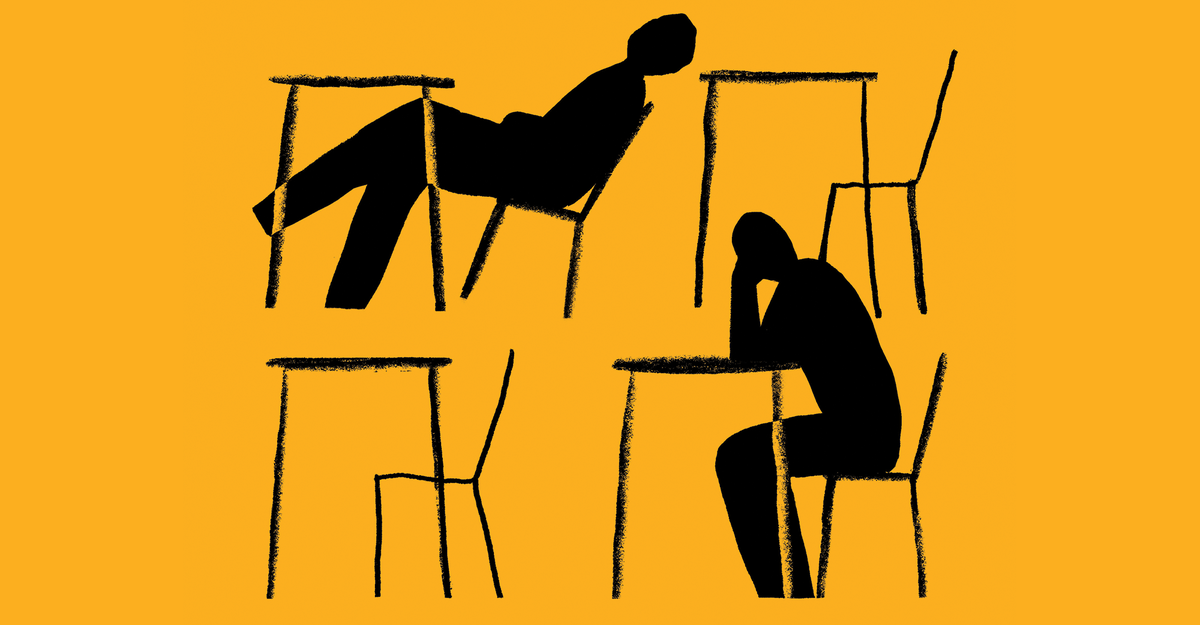
"Over the past decade and a half, however, the share of students at selective universities who qualify for accommodations—often, extra time on tests—has grown at a breathtaking pace. At the University of Chicago, the number has more than tripled over the past eight years; at UC Berkeley, it has nearly quintupled over the past 15 years.
The increase is driven by more young people getting diagnosed with conditions such as ADHD, anxiety, and depression, and by universities making the process of getting accommodations easier. The change has occurred disproportionately at the most prestigious and expensive institutions. At Brown and Harvard, more than 20 percent of undergraduates are registered as disabled. At Amherst, that figure is 34 percent. Not all of those students receive accommodations, but researchers told me that most do. The schools that enroll the most academically successful students, in other words, also have the largest share of students with a disability that could prevent them from succeeding academically."
Are these people really academically disabled? How did they get into Harvard then?
The increase is driven by more young people getting diagnosed with conditions such as ADHD, anxiety, and depression, and by universities making the process of getting accommodations easier. The change has occurred disproportionately at the most prestigious and expensive institutions. At Brown and Harvard, more than 20 percent of undergraduates are registered as disabled. At Amherst, that figure is 34 percent. Not all of those students receive accommodations, but researchers told me that most do. The schools that enroll the most academically successful students, in other words, also have the largest share of students with a disability that could prevent them from succeeding academically."

Are these people really academically disabled? How did they get into Harvard then?


