If they can be saved, they will be. If not, they'll be condemned.
Very few homes are
structurally constructed of concrete, metal and masonry. It's nearly always more expensive, which means buyers much choose between a smaller home made from masonry/concrete or a larger home that appears to be brick, stone, etc.
In the D.C,. area, people seem (based on what I see getting built) to prefer larger homes. The result is that there are tons and tons of homes that have brick fronts and aluminum or plastic sides and back
Brick all around and big (6K+ sq. ft) is "rich folk's" housing. "Regular" sized (up to ~4K sq. ft.) homes that are brick/stone all around tend to be older homes.
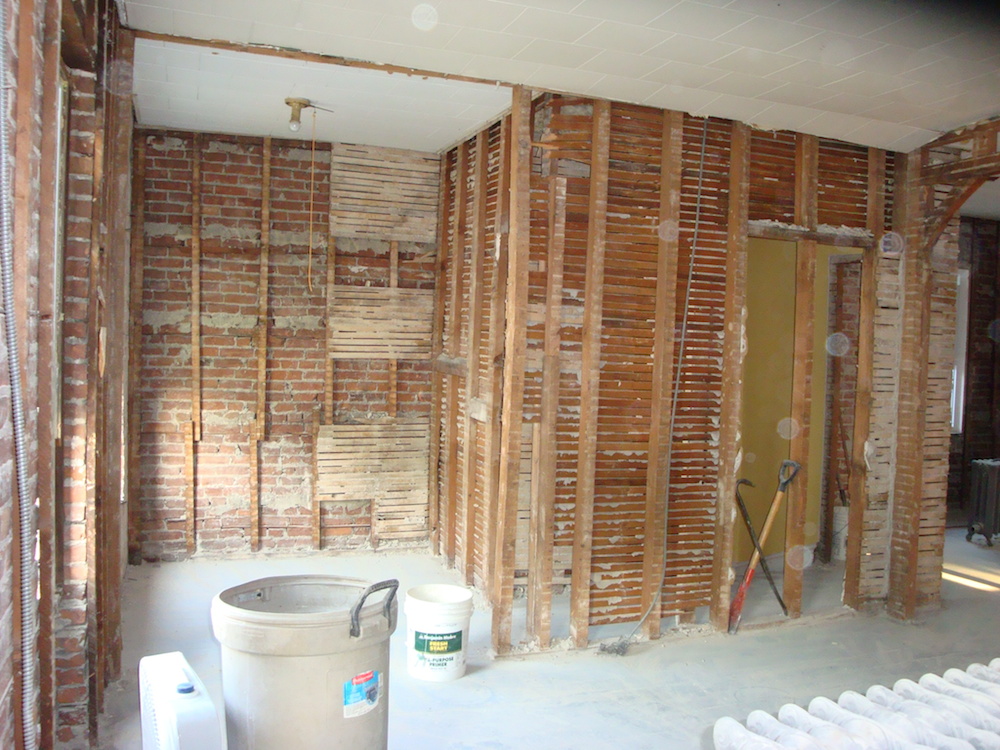
For the most part, only 100 year-old or older homes in D.C. have brick, masonry, or concrete structural elements. (The same is likely the case for all "European-plan" cities in the U.S....Boston, NYC, Philly, Charleston, Savannah, Richmond, Alexandria, B-more, etc.) You can sort of get a sense of what I mean from the photos below.
All the row houses pictured above will stand on their own with their brick walls. Brick clad homes, on the hand, will not. (FWIW, even in a middle unit, the neighbors have to be throwing a party to hear them carrying on. Their merely hollering about house -- calling kids, kids being rambunctious, banging your wife/girlfriend, etc. -- the neighbors can't hear that.


 And we sure have seen the footage of all of these nicer, larger 2 and 3 story homes under water. But how badly are they damaged? Are we going to have a a few thousand homes where the upper half is fine, and the lower half is waterlogged to the point where the home has to come down?