6 Reasons Youth Mental Health is Getting Worse

HikerGuy83

Diamond Member
Joined
Dec 26, 2021
Messages
18,485
Reaction score
14,747
Points
2,288
For some time, I've been saying that we promote bad mental health.

And this seems to support that:
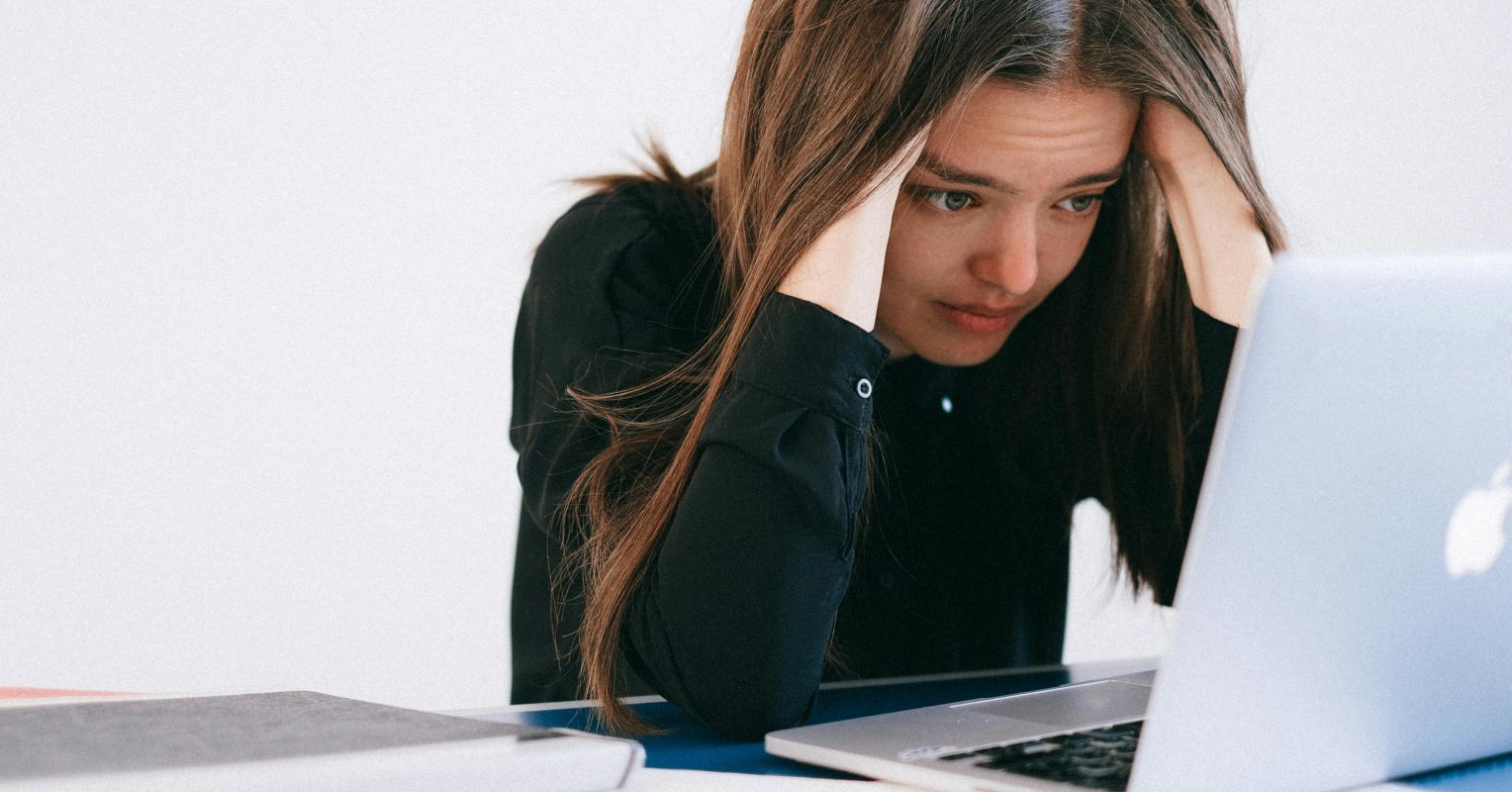

I will list out the 6 and address them in future posts. I want to continue to look for more documentation on some of this.

1. Pressure & Overload
2. The Power & Pitfall of Screens

This blew my mind:

Evidence has found that teenagers who spend more than three hours a day on social media are at double the risk for mental health issues, and this is concerning given that the average teen spends 4.8 hours on social media every day.

4.8 hours ???????

3. The Cost of Access & Ease

In a post on X, entrepreneur and investor Naval Ravikant summarized how this wears us down: "The modern struggle: Lone individuals summoning inhuman willpower, fasting, meditating, and exercising… Up against armies of scientists and statisticians weaponizing abundant food, screens, and medicine into junk food, clickbait news, infinite porn, endless games, and addictive drugs."

4. Family Strains and Overprotection

Family interaction has declined, and children now are more likely than in years past to be inside on screens rather than outside in independent play. Parents are also more protective, and according to researcher Peter Gray, this decline in freedom has contributed significantly to rising anxiety and depression. He has argued that “a primary cause of the rise in mental disorders is a decline over decades in opportunities for children and teens to play, roam, and engage in other activities independent of direct oversight and control by adults.”

5. Loneliness and Disconnection

However, loneliness is also on the rise in young people, with many experiencing anxiety and disconnection among their peers. Many feel this in their families as well. A 2021 survey found that 61 percent of young adults reported feeling lonely “frequently” or “almost all the time.” This is concerning as young people without close friendships or family relationships are 10 times more likely to experience mental health challenges.

6. Increased Awareness and OverIdentification

 
Regarding point #4, I found this article:


Part of growing up is learning how to handle uncomfortable situations and setbacks. This is how children become confident, independent adults. But overly protective parenting can reactively deliver children from challenging circumstances that help them develop and mature.

Call it what you will—“helicopter,” always hovering; or “lawnmower” or "snowplow" parenting, where Mom or Dad mows down or clears obstacles from their child’s path. These overzealous attempts to protect kids can make it harder for children to build resilience and an all-important sense of being capable.

***********************************************

And I can imagine the fights someone would get into with mothers about this one.

I have my own experience I draw from. But that is just me.

I know that divorce hurts kids....too.
 
For some time, I've been saying that we promote bad mental health.

And this seems to support that:


I will list out the 6 and address them in future posts. I want to continue to look for more documentation on some of this.

1. Pressure & Overload
2. The Power & Pitfall of Screens

This blew my mind:

Evidence has found that teenagers who spend more than three hours a day on social media are at double the risk for mental health issues, and this is concerning given that the average teen spends 4.8 hours on social media every day.

4.8 hours ???????

3. The Cost of Access & Ease

In a post on X, entrepreneur and investor Naval Ravikant summarized how this wears us down: "The modern struggle: Lone individuals summoning inhuman willpower, fasting, meditating, and exercising… Up against armies of scientists and statisticians weaponizing abundant food, screens, and medicine into junk food, clickbait news, infinite porn, endless games, and addictive drugs."

4. Family Strains and Overprotection

Family interaction has declined, and children now are more likely than in years past to be inside on screens rather than outside in independent play. Parents are also more protective, and according to researcher Peter Gray, this decline in freedom has contributed significantly to rising anxiety and depression. He has argued that “a primary cause of the rise in mental disorders is a decline over decades in opportunities for children and teens to play, roam, and engage in other activities independent of direct oversight and control by adults.”

5. Loneliness and Disconnection

However, loneliness is also on the rise in young people, with many experiencing anxiety and disconnection among their peers. Many feel this in their families as well. A 2021 survey found that 61 percent of young adults reported feeling lonely “frequently” or “almost all the time.” This is concerning as young people without close friendships or family relationships are 10 times more likely to experience mental health challenges.

6. Increased Awareness and OverIdentification

Or it could be this..

backwards red states are requiring every classroom to plaster the 10 commandments all over it. Students are told (or at least its implied) that this is the way one should act.

Then they see the President and other leaders doing behavior that is 180 degrees the opposite...and in those states, they see their beer swilling father applauding the behavior

This in addition to all of the other normal pressures of being in those in-between years....
 
Or it could be this..

backwards red states are requiring every classroom to plaster the 10 commandments all over it. Students are told (or at least its implied) that this is the way one should act.

Then they see the President and other leaders doing behavior that is 180 degrees the opposite...and in those states, they see their beer swilling father applauding the behavior

This in addition to all of the other normal pressures of being in those in-between years....
Hmmmm..........

Or it could be that people like you spend more time talking about what you think you know instead of educating yourself.

But, I think I'll start with what the psychologist laid out, do some research and continue to try and understand it.

Seems it might be worth looking at whether or not it's MAGA youth having more issues. But that would require you to do some research. Which means if we have to depend on you.....we'll never learn anything.
 
Or it could be this..

backwards red states are requiring every classroom to plaster the 10 commandments all over it. Students are told (or at least its implied) that this is the way one should act.

Then they see the President and other leaders doing behavior that is 180 degrees the opposite...and in those states, they see their beer swilling father applauding the behavior

This in addition to all of the other normal pressures of being in those in-between years....
My dad let us kids 'swill some beer' as long as we behaved. Everyone looked forward to getting our "beer card" (State I.D.) at age 18.
 
For some time, I've been saying that we promote bad mental health.

And this seems to support that:


I will list out the 6 and address them in future posts. I want to continue to look for more documentation on some of this.

1. Pressure & Overload
2. The Power & Pitfall of Screens

This blew my mind:

Evidence has found that teenagers who spend more than three hours a day on social media are at double the risk for mental health issues, and this is concerning given that the average teen spends 4.8 hours on social media every day.

4.8 hours ???????

3. The Cost of Access & Ease

In a post on X, entrepreneur and investor Naval Ravikant summarized how this wears us down: "The modern struggle: Lone individuals summoning inhuman willpower, fasting, meditating, and exercising… Up against armies of scientists and statisticians weaponizing abundant food, screens, and medicine into junk food, clickbait news, infinite porn, endless games, and addictive drugs."

4. Family Strains and Overprotection

Family interaction has declined, and children now are more likely than in years past to be inside on screens rather than outside in independent play. Parents are also more protective, and according to researcher Peter Gray, this decline in freedom has contributed significantly to rising anxiety and depression. He has argued that “a primary cause of the rise in mental disorders is a decline over decades in opportunities for children and teens to play, roam, and engage in other activities independent of direct oversight and control by adults.”

5. Loneliness and Disconnection

However, loneliness is also on the rise in young people, with many experiencing anxiety and disconnection among their peers. Many feel this in their families as well. A 2021 survey found that 61 percent of young adults reported feeling lonely “frequently” or “almost all the time.” This is concerning as young people without close friendships or family relationships are 10 times more likely to experience mental health challenges.

6. Increased Awareness and OverIdentification

7. Waaaaaaaaaay too much information.
 
My dad let us kids 'swill some beer' as long as we behaved. Everyone looked forward to getting our "beer card" (State I.D.) at age 18.
"All things in moderation” has pretty much worked in evey situation throughout the history of the world. A little war, a little peace, a little rebellion, a little tranquility, a little give, a little take. What we have no in most corners of the world are extremeists and we see the problems it’s causing.
 
My dad let us kids 'swill some beer' as long as we behaved. Everyone looked forward to getting our "beer card" (State I.D.) at age 18.
I think candycorn was trying to blame Trump even though there are many studies that cover the six to ten years prior to his first election....that all the same same thing.

She failed again.
 
I thought to start these threads because I believe that we are getting more and more "unhappy" and it is being driven by several things.

One of them is our turning our back on basic morals.

I will say that no government, no matter how "good", fair, or anything else desirable can make up for basic human decency.
 
I think candycorn was trying to blame Trump even though there are many studies that cover the six to ten years prior to his first election....that all the same same thing.

She failed again.

When you forcibly highlight the best in the classroom then celebrate the worst outside of the. classroom, those kids inside the classroom are going to have some tension.
 
I thought to start these threads because I believe that we are getting more and more "unhappy" and it is being driven by several things.

One of them is our turning our back on basic morals.

I will say that no government, no matter how "good", fair, or anything else desirable can make up for basic human decency.
Especially when you celebrate the congenitally indecent. As you do. Daily.
 
For some time, I've been saying that we promote bad mental health.

And this seems to support that:


I will list out the 6 and address them in future posts. I want to continue to look for more documentation on some of this.

1. Pressure & Overload
2. The Power & Pitfall of Screens

This blew my mind:

Evidence has found that teenagers who spend more than three hours a day on social media are at double the risk for mental health issues, and this is concerning given that the average teen spends 4.8 hours on social media every day.

4.8 hours ???????

3. The Cost of Access & Ease

In a post on X, entrepreneur and investor Naval Ravikant summarized how this wears us down: "The modern struggle: Lone individuals summoning inhuman willpower, fasting, meditating, and exercising… Up against armies of scientists and statisticians weaponizing abundant food, screens, and medicine into junk food, clickbait news, infinite porn, endless games, and addictive drugs."

4. Family Strains and Overprotection

Family interaction has declined, and children now are more likely than in years past to be inside on screens rather than outside in independent play. Parents are also more protective, and according to researcher Peter Gray, this decline in freedom has contributed significantly to rising anxiety and depression. He has argued that “a primary cause of the rise in mental disorders is a decline over decades in opportunities for children and teens to play, roam, and engage in other activities independent of direct oversight and control by adults.”

5. Loneliness and Disconnection

However, loneliness is also on the rise in young people, with many experiencing anxiety and disconnection among their peers. Many feel this in their families as well. A 2021 survey found that 61 percent of young adults reported feeling lonely “frequently” or “almost all the time.” This is concerning as young people without close friendships or family relationships are 10 times more likely to experience mental health challenges.

6. Increased Awareness and OverIdentification


The biggest ones I've seen are overprotection of young children, and "Victim Olympics" in teens and young adults. Rather than finding merit in good character qualities, education, achievement, hard work, etc....kids have been taught that the biggest award you can win now is in how you are victimized. Race, skin color, gender, sexuality, even diseases can earn you merit.

It's sick and sad
 
The biggest ones I've seen are overprotection of young children, and "Victim Olympics" in teens and young adults. Rather than finding merit in good character qualities, education, achievement, hard work, etc....kids have been taught that the biggest award you can win now is in how you are victimized. Race, skin color, gender, sexuality, even diseases can earn you merit.

It's sick and sad
I appreciate the response.

I am trying to figure out if most of the mental health world agrees that things are getting worse.
 
For some time, I've been saying that we promote bad mental health.

And this seems to support that:


I will list out the 6 and address them in future posts. I want to continue to look for more documentation on some of this.

1. Pressure & Overload
2. The Power & Pitfall of Screens

This blew my mind:

Evidence has found that teenagers who spend more than three hours a day on social media are at double the risk for mental health issues, and this is concerning given that the average teen spends 4.8 hours on social media every day.

4.8 hours ???????

3. The Cost of Access & Ease

In a post on X, entrepreneur and investor Naval Ravikant summarized how this wears us down: "The modern struggle: Lone individuals summoning inhuman willpower, fasting, meditating, and exercising… Up against armies of scientists and statisticians weaponizing abundant food, screens, and medicine into junk food, clickbait news, infinite porn, endless games, and addictive drugs."

4. Family Strains and Overprotection

Family interaction has declined, and children now are more likely than in years past to be inside on screens rather than outside in independent play. Parents are also more protective, and according to researcher Peter Gray, this decline in freedom has contributed significantly to rising anxiety and depression. He has argued that “a primary cause of the rise in mental disorders is a decline over decades in opportunities for children and teens to play, roam, and engage in other activities independent of direct oversight and control by adults.”

5. Loneliness and Disconnection

However, loneliness is also on the rise in young people, with many experiencing anxiety and disconnection among their peers. Many feel this in their families as well. A 2021 survey found that 61 percent of young adults reported feeling lonely “frequently” or “almost all the time.” This is concerning as young people without close friendships or family relationships are 10 times more likely to experience mental health challenges.

6. Increased Awareness and OverIdentification

7. Fatigue, exhaustion, lack of sleep.
 
15th post
Back
Top Bottom