Hurricanelover
Diamond Member
- Oct 4, 2021
- 3,946
- 4,445
- 1,938
New meds-prepping process could make IV drug drips a thing of the past
By Ben Coxworth
August 22, 2025
 newatlas.com
This is a huge breakthrough and will make life easier on people that need these medications.
By Ben Coxworth
August 22, 2025
New meds-prepping process could make IV drug drips a thing of the past
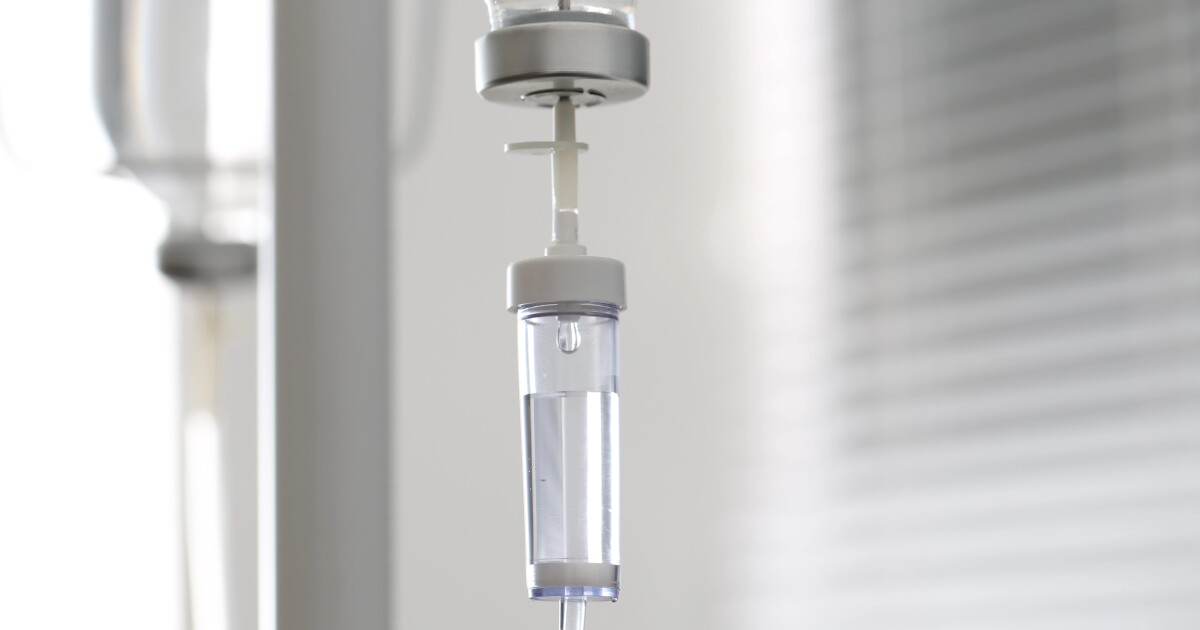
It's a sad and inconvenient fact that many drugs have to be administered in the form of a slow intravenous (IV) drip, as opposed to a single quick injection. That may be about to change, however, thanks to a new take on an existing "spray drying" technique.
newatlas.com
It's a sad and inconvenient fact that many drugs have to be administered in the form of a slow intravenous (IV) drip, as opposed to a single quick injection. That may be about to change, however, thanks to a new take on an existing "spray drying" technique.
Often used to treat maladies such as certain cancers, metabolic disorders and autoimmune diseases, protein-based pharmaceuticals must be administered in high doses in order to have the desired effect.
Unfortunately, if these medications are dissolved in a single-injection amount of carrier liquid at such high concentrations, the protein molecules clump together, resulting in a mixture that is too viscous to be safely injected. Instead, a more diluted dosage must be dripped in by IV over a period of several hours.
In an effort to address this problem, Assoc. Prof. Eric Appel and colleagues at Stanford University developed a biocompatible polyacrylamide copolymer known as MoNi. Unlike most existing drug additives, it has an unusually high glass transition temperature. This means it stays hard and glassy at high temperatures, instead of becoming soft and sticky.
The scientists combined MoNi with water and therapeutic proteins including albumin, human immunoglobulin, and a monoclonal antibody treatment for COVID-19.
They then aerosolized the mixture into droplets by spraying it onto a surface, after which they evaporated the water from those droplets. This procedure resulted in the formation of a fine powder consisting of microscopic particles – each microparticle in turn consisted of a smooth MoNi shell encasing a protein core.
In a final step, the powder was mixed with a carrier liquid, in which the microparticles stayed suspended without clumping together. The researchers were thus able to achieve protein concentrations of over 500 milligrams per millilter. In other words, the liquid was more than 50% medication by weight, which is twice what had previously been possible with injectable liquids.
And yes, the mixture remained fluid enough that it could be injected "smoothly and easily." Plus importantly, MoNi is formulated to dissolve once it's in the bloodstream.
This is a huge breakthrough and will make life easier on people that need these medications.


