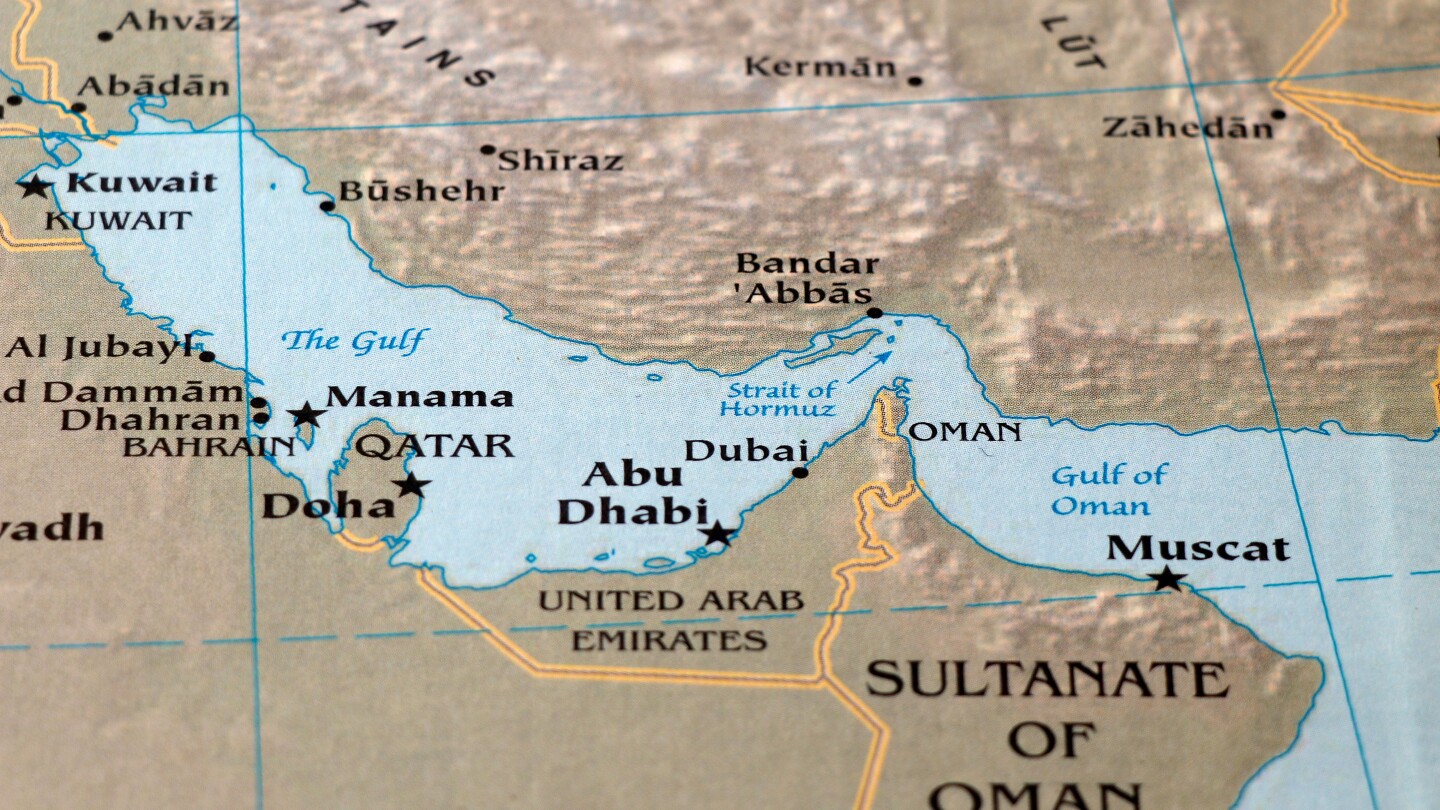
As many may have noticed, there is no shortage of "news" and "views" on the near eternal Middle East Issues/Crisis's.
I've found one source in recent years that provides the most complete and least biased, more objective news and information is the Middle East Forum.
 www.meforum.org
This is a recent example;
June 21, 2025
Gregg Roman
....
Tonight, American forces destroyed Iran’s nuclear program. This wasn’t impulse. It was the execution of a plan that began in 2017.
When President Donald Trump first took office, he established a joint working group between the American and Israeli National Security Councils. Not for immediate action. For preparation. The kind that takes years and pays off in hours.
For months, Washington and Jerusalem ran an information campaign that would make the KGB proud. They fooled Tehran. They fooled talking heads of the far left and woke right. They fooled the think tank experts who fancy themselves too smart to be fooled.
Here’s what matters: Iran’s nuclear facilities are rubble. Their thirty-year investment in atomic blackmail ended in one night. Now Tehran faces a choice. Retaliate and risk the regime’s survival or launch some missiles at empty desert and call it even. We saw this movie after the assassination of Qasem Soleimani. They’ll probably choose the sequel.
The real victory extends beyond smoking reactors and enrichment facilities. For years, an alliance of convenience united American isolationists with Tehran’s apologists. Strange bedfellows: far-left activists and self-styled conservative voices, all singing from the same hymnal. All pushing the same line: American retreat equals wisdom.
Groups like the Quincy Institute and National Iranian American Council (NIAC) didn’t just push policy papers; they pushed Tehran’s agenda, whether they admitted it or not. Some knew exactly what they were doing. Others were useful idiots. Tonight, their influence died alongside Iran’s centrifuges.
The sophistication of this influence operation deserves recognition, if only to prevent its resurrection. They didn’t just work the left. They used mirror tactics on the right. Political cheerleaders from 2024 suddenly became foreign policy sages, pushing positions that served Tehran’s interests. The talking points were consistent because the source was singular.
Look at who aligned with whom. When Candace Owens and Code Pink agree on foreign policy, when Tucker Carlson mimics Trita Parsi, when isolationist conservatives find common cause with the Palestinian solidarity movement—somebody should ask why. Tonight, we got the answer.
The operational excellence displayed deserves its own analysis. From Israel’s elimination of Hezbollah leadership to the pager operations, from the shaping exercises to tonight’s strikes—this was integrated warfare at its finest. Israeli pilots flew continuous sorties while American planners prepared the knockout blow. CENTCOM’s commander cut short congressional testimony because he had work to do—real work.
Yesterday, European diplomats scrambled to arrange meetings with regime representatives. They sensed something coming. They were too late. They always are.
The path forward is clear.
First, secure and remove Iran’s nuclear materials. Second, maintain momentum. The regime’s American supporters will regroup. They’ll blame escalation. They’ll warn of wider war. They’ll do what they always do: serve Tehran’s interests while claiming to serve America’s.
This is where the real fight begins. The same investigative techniques used against those promoting American interests in the Middle East must be turned on them. Follow the money. Trace the connections. Expose the networks. Use their own methods against them.
A U.S. District Court once found that the work of NIAC president and founder Trita Parsi was “not inconsistent with the idea that he was first and foremost an advocate for the [Iranian] regime.” The NIAC paid $183,000 in sanctions for discovery violations in that case. These are the people shaping the “anti-war” narrative. These are the voices warning against American strength.
..........
 www.meforum.org
America is back. Not the America that apologizes for its power, but the America that uses it.
I've found one source in recent years that provides the most complete and least biased, more objective news and information is the Middle East Forum.
Middle East Forum
www.meforum.org
This is a recent example;
The Long Game: Taking the Fight to America’s Pro-Tehran Apologists
The U.S. President and Israeli Prime Minister Proved That American Power, Properly Applied, Remains DecisiveJune 21, 2025
Gregg Roman
....
Tonight, American forces destroyed Iran’s nuclear program. This wasn’t impulse. It was the execution of a plan that began in 2017.
When President Donald Trump first took office, he established a joint working group between the American and Israeli National Security Councils. Not for immediate action. For preparation. The kind that takes years and pays off in hours.
For months, Washington and Jerusalem ran an information campaign that would make the KGB proud. They fooled Tehran. They fooled talking heads of the far left and woke right. They fooled the think tank experts who fancy themselves too smart to be fooled.
Here’s what matters: Iran’s nuclear facilities are rubble. Their thirty-year investment in atomic blackmail ended in one night. Now Tehran faces a choice. Retaliate and risk the regime’s survival or launch some missiles at empty desert and call it even. We saw this movie after the assassination of Qasem Soleimani. They’ll probably choose the sequel.
The real victory extends beyond smoking reactors and enrichment facilities. For years, an alliance of convenience united American isolationists with Tehran’s apologists. Strange bedfellows: far-left activists and self-styled conservative voices, all singing from the same hymnal. All pushing the same line: American retreat equals wisdom.
Groups like the Quincy Institute and National Iranian American Council (NIAC) didn’t just push policy papers; they pushed Tehran’s agenda, whether they admitted it or not. Some knew exactly what they were doing. Others were useful idiots. Tonight, their influence died alongside Iran’s centrifuges.
The sophistication of this influence operation deserves recognition, if only to prevent its resurrection. They didn’t just work the left. They used mirror tactics on the right. Political cheerleaders from 2024 suddenly became foreign policy sages, pushing positions that served Tehran’s interests. The talking points were consistent because the source was singular.
Look at who aligned with whom. When Candace Owens and Code Pink agree on foreign policy, when Tucker Carlson mimics Trita Parsi, when isolationist conservatives find common cause with the Palestinian solidarity movement—somebody should ask why. Tonight, we got the answer.
The operational excellence displayed deserves its own analysis. From Israel’s elimination of Hezbollah leadership to the pager operations, from the shaping exercises to tonight’s strikes—this was integrated warfare at its finest. Israeli pilots flew continuous sorties while American planners prepared the knockout blow. CENTCOM’s commander cut short congressional testimony because he had work to do—real work.
Yesterday, European diplomats scrambled to arrange meetings with regime representatives. They sensed something coming. They were too late. They always are.
The path forward is clear.
First, secure and remove Iran’s nuclear materials. Second, maintain momentum. The regime’s American supporters will regroup. They’ll blame escalation. They’ll warn of wider war. They’ll do what they always do: serve Tehran’s interests while claiming to serve America’s.
This is where the real fight begins. The same investigative techniques used against those promoting American interests in the Middle East must be turned on them. Follow the money. Trace the connections. Expose the networks. Use their own methods against them.
A U.S. District Court once found that the work of NIAC president and founder Trita Parsi was “not inconsistent with the idea that he was first and foremost an advocate for the [Iranian] regime.” The NIAC paid $183,000 in sanctions for discovery violations in that case. These are the people shaping the “anti-war” narrative. These are the voices warning against American strength.
..........
The Long Game: Taking the Fight to America's Pro-Tehran Apologists
The U.S. President and Israeli Prime Minister Proved That American Power, Properly Applied, Remains Decisive
www.meforum.org
America is back. Not the America that apologizes for its power, but the America that uses it.