The Ukrainian Air Force, to my knowledge, has had to use guerilla airfield tactics to keep the Russians guessing as to where they are operating from. This is to prevent Moscow from targeting the aircraft/impromptu airfield from drone attacks and air strikes, destroying stationary aircraft or the rendering the “runway” unusable. Soviet-built aircraft are sublimely suited to this.
For ex, the MiG-29 “Fulcrum” uses automatic Foreign Object Debris (FOD) covers that
close for initial start up (vid). Meanwhile louvres located at the top of the wing-root open to provide alternate air intake to the jet engines. Upon take off, once the weight on wheels (WoW) switch in the nose gear detects it is off the ground, the louvers cycle closed and the FOD covers on the primary intake retract, allowing max airflow to the engines once the danger of FOD damage has passed. This ingenious design allows the Fulcrum to operate, not only from unimproved runways or even highways, but even from grass fields. The wing itself and the distance to the ground preventing small stones and debris from getting sucked into the delicate engines.
I cannot stress how dangerous and debilitating FOD is to aircraft. A single rock, bolt, nut, or minor road debris can have a cataclysmic effect on a modern high-performance jet engine. It may not even happen immediately, the damage could happen on take off, then progressively get worse during flight as the blades, now potentially bent or unbalanced begin to self-destruct the engine internals. Even if a MiG-29 happens to shell out an engine because of the careless placement of a bolt or tool by a mechanic or the ingestion of a bird during flight or take off, the MiG HAS TWO ENGINES which are isolated in separate bays, preventing the destruction of one engine from FOD-ing out the second.
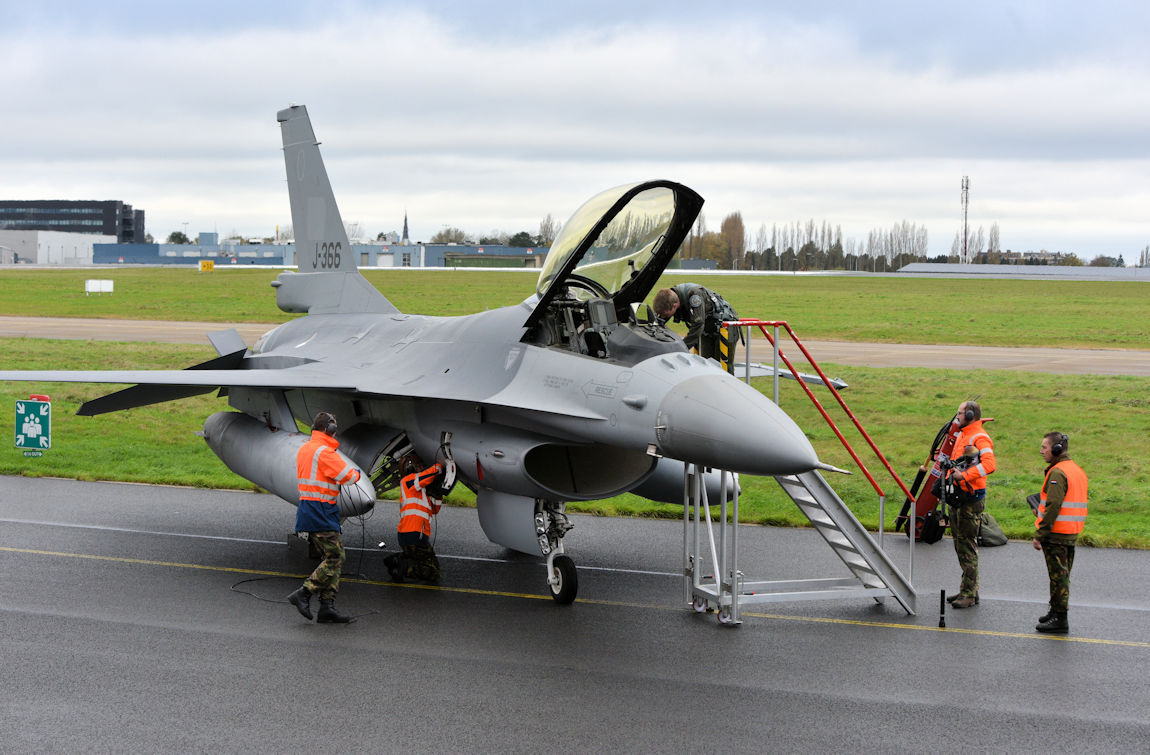
The F-16, by contrast, is definitely not suited for this style of airfield. The bottom of the intake lip sits approximately 30” from the ground with no provision of alternate intake. In addition, all the suction flow of that air comes from the sides, fore, and ground since no air can be ingested from above the engine (that’s where the fuselage is). With no provision for FOD protection or alternate, high-mounted intakes during the entire time spent on the ground, this calls for rigid and inflexible FOD control measures from the location of engine start, to taxiing routes to the runway.
In the USAF, this meant hundreds of maintainers walking at arms-length intervals two to three times a day with eyes on the ground looking for any and every piece of debris that could be ingested by the multi-million dollar vacuum cleaner with only ONE engine we were charged with maintaining. In addition, an almost constant procession of street-cleaners rumbled up and down the flightline, taxiways and runway. Everything had to be spotless lest we risk the aircraft, or worse, the pilots.
Imagine the preparation it would take to complete this process on a 10,000 foot long straight highway, in the dark, while trying to be as inconspicuous as possible so as not to draw the attention of collaborators or Russian spies. You couldn’t hop from highway to highway or run from unimproved airfields like the Ukrainian Air Force can do with MiG-29s, you’d be handcuffed or at the very least less mobile. Imagine a disused Soviet airfield that suddenly had all its weeds plucked from the cracks in the concrete, concrete patched, the runway spotless. What signal does that send? “F-16s could, will, or are operating from here.”