shockedcanadian
Diamond Member
- Aug 6, 2012
- 43,702
- 42,742
- 3,605
This is what happens when you build a culture of abuses by police agencies. An "us vs them" approach which demands loyalty to their cult rather than our Charter.
When good humans are part of a messed up culture internally and how they deal with the public they get broken. They have to deal with it in silence. They are not weak men, they are good men. Those who abuse them are weak and they will be judged by G-d.
From the RCMP on down, THIS is Canada. They will destroy ones spirit, their relationships with their wives, their families, their community. Deceitful, cowardly bullies.
RIP to those who took their own lives. At least you didnt murder others along the way in a fit of rage, may G-d have mercy on your souls.
To the Creepy Ones in Canada. Go F yourselves. You know who you are and we both know you are cowards.
To Americans, wake up. Evil comes in many forms, dont let it fester. Embrace the good and confront the evil.
Notice the post of those who operate covertly. They are the ones engaging in crimes against citizens and destroying lives. If the Fed government doesnt reign in these criminals, I suspect our allies will in their own manner...
 www.thestar.com
Twenty-one current and former OPP staff members have died by suicide since 2012, a rate that has remained stubbornly persistent despite promises to improve mental health care within the provincial police force.
The data, obtained through a freedom-of-information request, show that during this same time-period two OPP officers were killed in homicides in the line of duty.
In 2018, after three OPP officers died by suicide in the span of just a few weeks, the force launched reviews of its psychological wellness program and active members’ self-inflicted deaths, along with a series of “mental health roundtables.”
Seven years later, the OPP is still struggling to implement an effective program and address its most at-risk members’ mental health issues, internal records show.
In February of last year, Ontario’s Deputy Solicitor General found significant “structural and systemic issues” with the OPP’s latest iteration of its mental health program.
This conclusion, found in a letter that does not elaborate on specific issues, followed a complaint against the OPP alleging that the force “failed to properly design, implement, and maintain a psychological health monitoring program and failed to provide appropriate education about mental health risks.”
The OPP said that there had been “no clearly defined parameters or accountability measures to ensure compliance” since the program’s inception, according to an “Action Plan” distributed internally in May 2025.
OPP spokesperson Gosia Puzio told the Star that “police suicide in Canada remains a concerning and complex issue which underscores the urgent need for better understanding and support within law enforcement agencies.” She added that “in recent years, the OPP has made great strides in enhancing the support programs available to our members.”
Puzio did not address questions about the persistent issues with the force’s mental health program. The OPP declined to say how many suicides occurred since 2018.
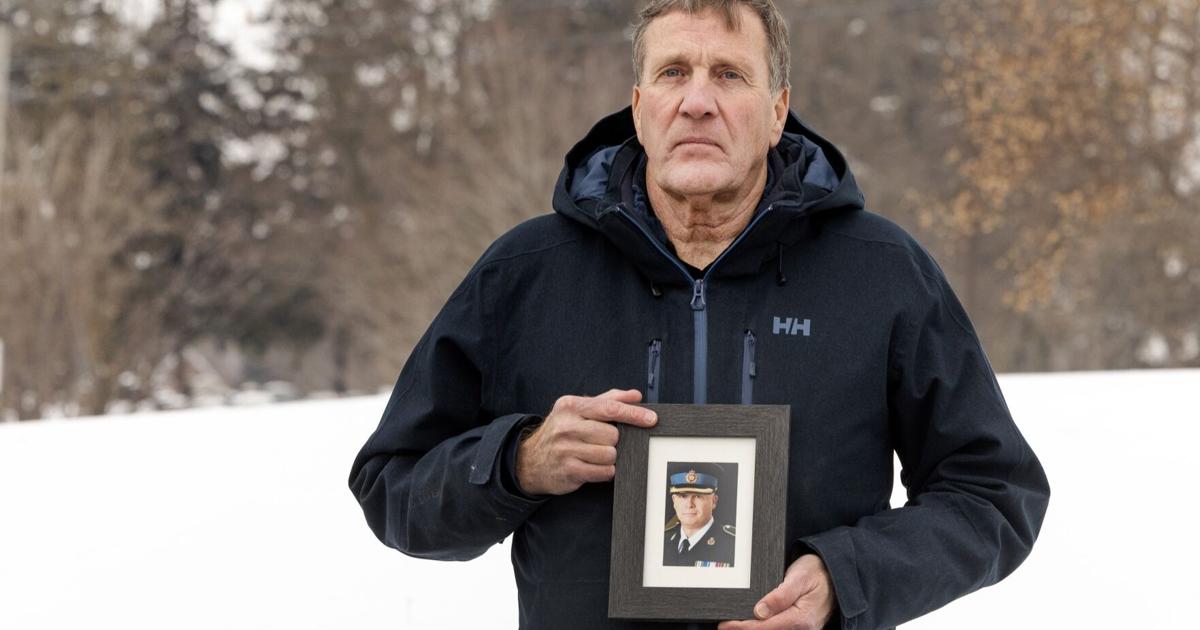
Paul Horne was one of the three officers who died in the summer of that year. A detective inspector, he was nearing retirement after a lengthy career.
Horne worked on human trafficking investigations and did undercover assignments in organized crime, his brother, Rob, said. He suffered from post-traumatic stress disorder.
Paul, 50, had recently taken time off work and was seeking a less stressful assignment, Rob said, but the veteran officer was overcome.
Paul “isolated himself and finally, he just couldn’t handle what was happening in his mind,” Rob said. “My youngest brother was my best friend, and the shock still persists.”
........................
There is one glaring exception, however: among the 21 identified members of covert operations, only one had completed their check-in.
A second attendance report, this one from June 2025, shows that only 70 out of 375 members of targeted units had completed that year’s mandatory annual check-in – fewer than 20 per cent. None of the covert operations members had done so.
When good humans are part of a messed up culture internally and how they deal with the public they get broken. They have to deal with it in silence. They are not weak men, they are good men. Those who abuse them are weak and they will be judged by G-d.
From the RCMP on down, THIS is Canada. They will destroy ones spirit, their relationships with their wives, their families, their community. Deceitful, cowardly bullies.
RIP to those who took their own lives. At least you didnt murder others along the way in a fit of rage, may G-d have mercy on your souls.
To the Creepy Ones in Canada. Go F yourselves. You know who you are and we both know you are cowards.
To Americans, wake up. Evil comes in many forms, dont let it fester. Embrace the good and confront the evil.
Notice the post of those who operate covertly. They are the ones engaging in crimes against citizens and destroying lives. If the Fed government doesnt reign in these criminals, I suspect our allies will in their own manner...
After a wave of officer suicides, the OPP vowed to do more for members’ mental health. Internal documents show the reforms have fallen short
The OPP said police suicide 'remains a concerning and complex issue,' and the force has made 'great strides' in addressing it.
www.thestar.com
Twenty-one current and former OPP staff members have died by suicide since 2012, a rate that has remained stubbornly persistent despite promises to improve mental health care within the provincial police force.
The data, obtained through a freedom-of-information request, show that during this same time-period two OPP officers were killed in homicides in the line of duty.
In 2018, after three OPP officers died by suicide in the span of just a few weeks, the force launched reviews of its psychological wellness program and active members’ self-inflicted deaths, along with a series of “mental health roundtables.”
Seven years later, the OPP is still struggling to implement an effective program and address its most at-risk members’ mental health issues, internal records show.
In February of last year, Ontario’s Deputy Solicitor General found significant “structural and systemic issues” with the OPP’s latest iteration of its mental health program.
This conclusion, found in a letter that does not elaborate on specific issues, followed a complaint against the OPP alleging that the force “failed to properly design, implement, and maintain a psychological health monitoring program and failed to provide appropriate education about mental health risks.”
The OPP said that there had been “no clearly defined parameters or accountability measures to ensure compliance” since the program’s inception, according to an “Action Plan” distributed internally in May 2025.
OPP spokesperson Gosia Puzio told the Star that “police suicide in Canada remains a concerning and complex issue which underscores the urgent need for better understanding and support within law enforcement agencies.” She added that “in recent years, the OPP has made great strides in enhancing the support programs available to our members.”
Puzio did not address questions about the persistent issues with the force’s mental health program. The OPP declined to say how many suicides occurred since 2018.
Paul Horne was one of the three officers who died in the summer of that year. A detective inspector, he was nearing retirement after a lengthy career.
Horne worked on human trafficking investigations and did undercover assignments in organized crime, his brother, Rob, said. He suffered from post-traumatic stress disorder.
Paul, 50, had recently taken time off work and was seeking a less stressful assignment, Rob said, but the veteran officer was overcome.
Paul “isolated himself and finally, he just couldn’t handle what was happening in his mind,” Rob said. “My youngest brother was my best friend, and the shock still persists.”
........................
There is one glaring exception, however: among the 21 identified members of covert operations, only one had completed their check-in.
A second attendance report, this one from June 2025, shows that only 70 out of 375 members of targeted units had completed that year’s mandatory annual check-in – fewer than 20 per cent. None of the covert operations members had done so.